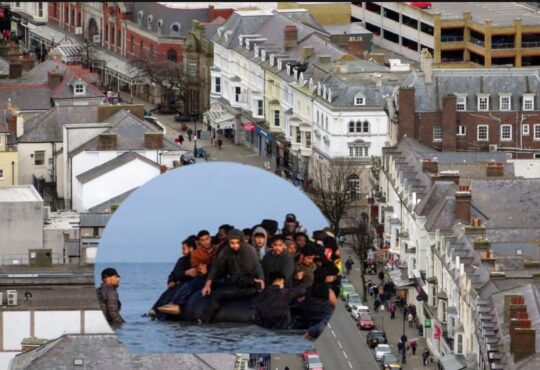
Iranian Illegal migrants massing along French coast with plan to cross English Channel Into the UK

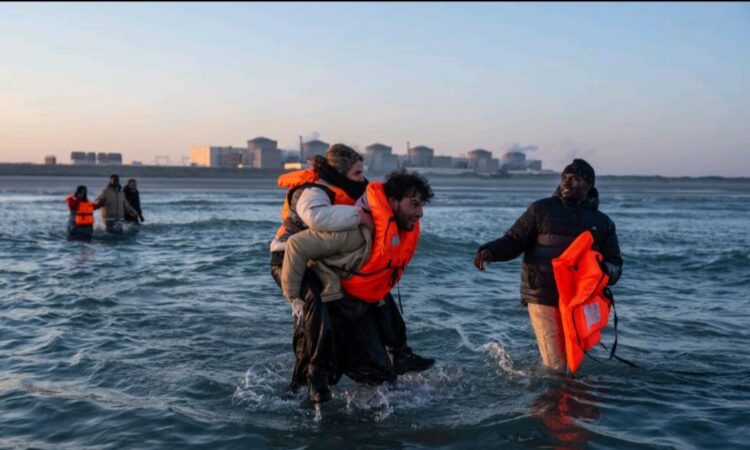
A group of young Iranian migrants have recently arrived on the northern coast of France and are preparing to try to cross the English Channel to reach the UK. Around two dozen of them, both men and women in their twenties, say they left Iran only a few days ago.
They are currently staying in a migrant settlement known as “the Jungle” in Loon-Plage, near Dunkirk. Sitting together in a small area of the camp, some of them say that many more people from Iran are expected to arrive soon and attempt the same journey.
One of the migrants, who was sitting in a part of the camp where Kurdish Iranians gather, said that the group currently there is just the beginning. According to him, others are already on the way from Iran and neighbouring countries, hoping to reach Europe.
Experts who study international migration have warned that tensions and violence in Iran could lead to a very large number of people trying to leave the country. Some analysts believe that if even a small percentage of Iran’s population of about 90 million people were forced to flee, the number of refugees could become one of the biggest migration movements seen in recent decades.
Former British politician Tobias Ellwood said conflicts and military actions can have wider consequences that go beyond the battlefield. He explained that when countries experience violence, instability, or external pressure, ordinary people often end up fleeing their homes because they feel unsafe or see no future where they are.
Some of the first migrants arriving in Europe say they left because of the Iranian government’s harsh response to pro-democracy protests and the continuing instability in the country. Others say they fear being arrested or punished for political activity.
A 21-year-old man named Jiletni explained that he did not leave Iran because of direct fighting, but because he felt constantly watched by the authorities. He said he and his friend decided to leave because they felt they were living under constant surveillance and feared what might happen to them if they stayed.
Jiletni comes from Kermanshah, a city in the Kurdish region of western Iran. Reports from that area said that security forces opened fire on protesters during demonstrations, with dozens of people killed. Situations like this have made some young people feel that leaving the country is their only option.
Statistics show that Iranians have become one of the most common nationalities among migrants trying to reach the UK. Last year, more than 41,000 migrants crossed the English Channel in small boats, and about 11 percent of them were from Iran. Iranians also became the largest group of people arriving at UK airports without proper travel documents.
In the migrant camp in northern France, some Iranians who arrived earlier are now helping new arrivals settle in. A 24-year-old man named Muhammed was seen welcoming a group of new migrants and explaining where they could find basic support such as food and supplies provided by charities. Speaking to them in Farsi, he guided them around the camp and showed them where they could get help.
Muhammed said he believes it would be dangerous for him to return to Iran because of his political activism. He fears he could be arrested or even killed if he went back. He also said he worries about the safety of his family and friends, especially after air strikes carried out during tensions involving the United States and Israel.
Data from the Migration Observatory at the University of Oxford shows that about 62,000 Iranians applied for asylum in the UK between 2015 and 2024. The numbers suggest that migration from Iran has been increasing over the past decade.
Channel crossings continue to rise as well. On February 25 this year, about 590 migrants crossed the Channel in small boats in a single day, which was the largest number recorded so far this year. Maritime officials believe the total number of crossings could continue to increase if the situation in countries of origin worsens.
The International Organization for Migration, a United Nations agency that deals with migration issues, has warned that escalating conflicts in the Middle East could push even more people to flee their homes. The organisation says that around 19 million people worldwide are already displaced because of war, violence, or disasters, and further instability could add significantly to that number.