

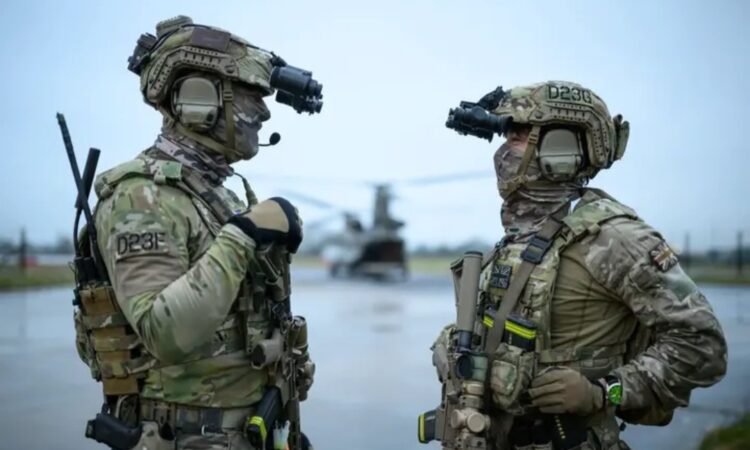
For many years, the idea of ordinary people in the UK being forced to join the army felt like something from the past, something you only learned about in history books at school. But with growing tensions and conflicts around the world, some people are beginning to wonder whether that possibility could return if a much larger war were to break out.
In recent weeks, fears about a wider global conflict have increased because of rising tensions in the Middle East. Reports say that the United States and Israel launched strikes on Iran, which has led to growing instability across the region. Because of this, several countries in the Middle East have been placed under travel warnings as missiles and drones continue to be used in attacks. There were also reports that a Royal Air Force base in Cyprus came under attack during the escalating conflict.
At the same time, the war between Russia and Ukraine is still ongoing and has not shown many signs of slowing down. This long-running conflict has already caused major political and military tension across Europe. With these situations happening at the same time, some analysts and officials worry that the risk of a much bigger war involving multiple countries is slowly increasing.
Because of these growing concerns, conversations about military preparedness have started appearing again in the UK. Some reports suggest that the government is looking at ways to strengthen its reserve forces. One idea being discussed is increasing the maximum age for mobilising certain strategic reserve personnel, raising it from 55 to 65 years old.
British ministers have also warned that the country must be prepared for possible threats closer to home. However, these warnings are not only about traditional warfare. Government planning also includes preparing for other serious national emergencies such as pandemics, large cyberattacks on infrastructure, major power failures, and extreme weather disasters.
Although people are talking more about military readiness, the UK currently does not have any system that forces citizens to join the armed forces. The British military is still a voluntary force, meaning people choose to join rather than being legally required to serve.
In the past, however, the UK did use conscription during major wars. Conscription means the government legally requires certain citizens to join the military when the country needs more soldiers. Britain introduced this system twice in history. The first time was during the First World War from 1916 to 1918, and the second time was during the Second World War and the years that followed, from 1939 until 1960.
During the Second World War, men between the ages of 18 and 41 were required to register for military service. Later, the age limit was extended up to 51. Before anyone could be sent to the battlefield, they had to go through a full medical examination. The purpose of this check was to make sure they were physically and mentally fit enough for military duties.
If someone was found to be medically unfit to fight, it did not always mean they avoided contributing to the war completely. Instead, many were assigned to important civilian roles that supported the war effort. These roles included farming, engineering, medicine, factory work, and food production such as baking. These jobs were seen as essential to keeping the country running while soldiers were fighting on the front lines.
Over time, certain medical conditions have been recognised as reasons someone could be exempt from serving in the military. These exemptions exist because the physical and mental demands of military service can be extremely intense and dangerous.
For example, serious mental health conditions have often been considered grounds for exemption. Conditions such as schizophrenia, severe obsessive-compulsive disorder, bipolar disorder, post-traumatic stress disorder, personality disorders, or a history of suicide attempts or self-harm could prevent someone from being accepted for military service.
Some neurological conditions can also make someone medically unfit for combat roles. These include epilepsy, multiple sclerosis, and severe chronic migraines. These illnesses can affect a person’s ability to function safely under the stress and physical pressure that military service requires.
Physical conditions involving the bones, joints, and muscles may also lead to exemption. Long-term back pain, repeated joint dislocations, spinal conditions like scoliosis, or recovery from major surgery could prevent someone from serving because military training and combat require strong physical endurance.
Certain breathing and heart conditions may also disqualify someone. Moderate to severe asthma, cystic fibrosis, congenital heart problems, or uncontrolled high blood pressure can make it dangerous for someone to take part in physically demanding military activities.
Other serious illnesses may also lead to exemption. These include conditions such as diabetes, cancer, severe skin diseases like psoriasis, digestive illnesses such as Crohn’s disease, or major vision problems that affect a person’s ability to perform duties safely.
At the moment, the official position in the UK remains clear. According to the UK Parliament website, there is currently no requirement for citizens to join the military. The British Armed Forces continue to rely entirely on volunteers who choose to serve.
However, military service rules vary across Europe. Some European countries still have systems that require men to serve in the armed forces for a period of time. In many of these countries, women can also volunteer if they wish.
Some governments also allow people who strongly oppose war on moral, ethical, or religious grounds to refuse military service. These individuals are known as conscientious objectors. Instead of serving in the army, they are often allowed to carry out alternative civilian work that still supports society.
For example, in Finland, men are legally required to complete military service. However, those who object to military duty can choose a civilian service option instead. In Greece, a similar system exists where men must complete a minimum period of service. Military service can last less than 12 months, while conscientious objectors can complete around 15 months of civilian service instead.
Across the European Union, countries that still operate conscription systems have recognised the legal rights of people who refuse military service because of deeply held personal beliefs.
For now, the UK continues to operate without conscription, and there are no current plans to bring it back. But with global tensions rising, discussions about national security and military readiness are once again becoming part of public conversation in Britain.