Hundreds of asylum seekers relocated from hotels to a place you won’t believe is possible

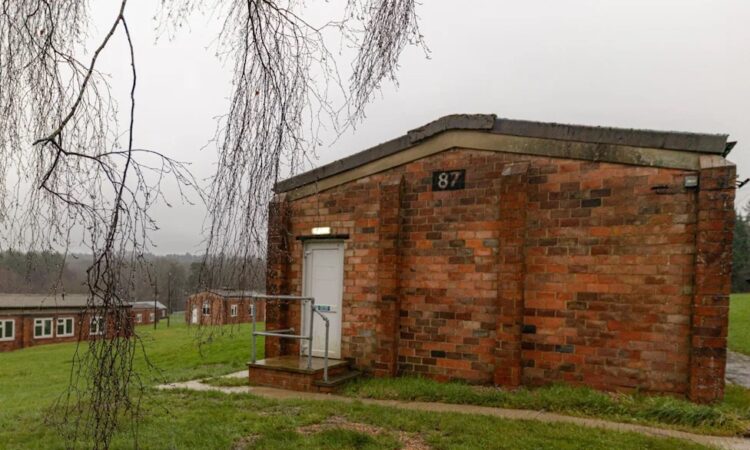
The UK government has started moving hundreds of asylum seekers out of hotels that were being paid for by the state, and sending many of them to more basic places like military barracks. This change was confirmed by the Home Office, which is responsible for immigration and asylum.
So far, 11 hotels across different parts of the UK, including England, Scotland, and Northern Ireland, have been shut down. Officials say this is just the beginning, and more hotels will be closed in the coming weeks. Around 350 people have already been moved to a military camp in East Sussex. The government described the new location as “basic accommodation,” which suggests it is far simpler and less comfortable than hotels.
This move is part of a bigger promise made by Prime Minister Keir Starmer. He has said he wants to completely stop the use of hotels for asylum seekers before the next general election. This issue has become very political, especially with local elections in England coming up soon, where immigration is expected to be a major topic.
At the moment, around 30,000 asylum seekers are still living in hotels across the UK. On top of that, more than 70,000 others are living in different types of housing, such as shared homes or large sites like former military bases. The number of hotels being used has already gone down a lot, from about 400 at its highest point to around 185 now.
Many asylum seekers depend on this government housing because they are not allowed to work during their first year in the UK while they wait for a decision on their case. This means they have no way to earn money to pay for rent themselves, so the government is legally required to provide accommodation.
Some of the hotels that have now closed had been in the spotlight for months. In certain areas, local people had protested against asylum seekers being housed there. In a few cases, these protests became tense, and sometimes even dangerous. For example, in 2024, there was a serious incident in Rotherham where protesters tried to set fire to a hotel that had asylum seekers inside. Situations like this have added pressure on the government to change its approach.
Immigration minister Alex Norris said the heavy use of hotels was never meant to happen. According to him, hotels were supposed to be a short-term solution, but the system got out of control under the previous government. He said it ended up costing taxpayers billions of pounds and caused problems for local communities. Now, the government says it wants to cut those costs, reduce the number of hotels, and move people into cheaper, simpler accommodation.
The government also says it is trying to speed up decisions on asylum cases and remove people who do not have the right to stay in the UK. By doing this, they hope fewer people will need housing for long periods.
However, not everyone agrees with this plan. Groups like the Refugee Council say that moving people into large military-style sites is not a good solution. They argue that these places can feel isolated and make it harder for people to access basic services like healthcare, legal advice, or community support. They also point out that some reports have suggested these sites might not even be cheaper than hotels in the long run.
These groups believe there are better ways to deal with the problem. For example, they suggest allowing some asylum seekers to stay in the UK temporarily with permission to work, especially those coming from countries facing serious conflict. This could help people support themselves and reduce the need for government-funded housing much faster.
On the political side, there is also strong criticism from opposition figures. Chris Philp argued that the government is not really solving the problem but just moving it around. He said that shifting asylum seekers from hotels into flats or shared housing takes away homes that could have been used by young people trying to get on the housing ladder.