
Seyed Ali Mousavi, who represents Iran in London, has warned the United Kingdom to be very cautious about becoming more involved in the ongoing conflict in the Middle East. His comments came after growing tensions and discussions about possible military action linked to the situation involving United States, Israel, and Iran.
Earlier in the week, Keir Starmer, the Prime Minister of the UK, explained that Britain had allowed the United States to use British military bases to carry out defensive actions against Iranian facilities if necessary. However, he also made it clear that British forces would not directly take part in any attacks. In other words, the UK might support its allies in limited ways, but it is not planning to actively join military strikes against Iran.
Mousavi responded by saying that Britain should remember the lessons from the past, particularly the invasion of Iraq in 2003. He suggested that the British government already understands how controversial and legally questionable some military actions can be. Because of that history, he believes the UK should think very carefully before supporting any aggression against another country.
He said that if the UK ever decided to attack Iran directly, Iran would consider that an act of aggression and would respond by defending itself.
According to him, Iran has the right to protect its country if it is attacked. At the same time, he acknowledged that the British government has said it does not want to take part in direct military strikes, which he described as a positive step.
Mousavi also said that Iran expects countries like the UK, which see themselves as developed and responsible nations, to speak out against attacks on other countries.
From his perspective, nations that claim to respect international law should condemn military aggression wherever it happens, including when it targets Iran. He added that Iran is trying to act carefully and responsibly during this tense situation, even while preparing to defend itself if necessary.
During an interview with journalist Laura Kuenssberg from the BBC, Mousavi was asked about the possibility that Iran’s response could affect many countries in the region and put civilians at risk. In response, he said Iran believes it is acting in self-defence. He argued that the conflict was started by the United States and Israel, not by Iran.
He also pointed out that American forces operate military bases in several countries around the Persian Gulf. Mousavi warned that if those bases are used to launch attacks against Iran, they could become legitimate targets in a conflict.
However, he insisted that Iran does not want to attack other countries and prefers to act cautiously. His message was that Iran’s actions would only be in response to attacks against it.
Toward the end of his comments, Mousavi gave another warning directed at Britain. He said Iran is being very careful about its own actions but expects other governments, including the UK, to behave just as carefully. The message was essentially that any country considering involvement in the conflict should think about the possible consequences before taking action.
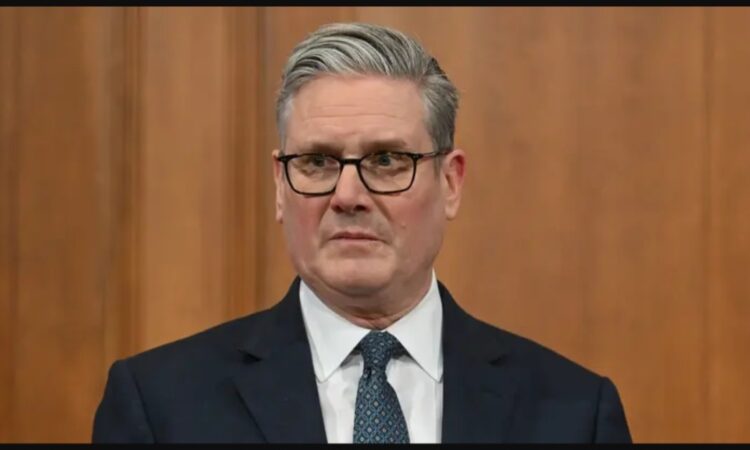
Meanwhile, Prime Minister Keir Starmer said he stands by his decision not to join the initial military strikes carried out by the United States and Israel.
Speaking at a press conference at 10 Downing Street, he said the UK must stay true to its values and principles, even if there is pressure from allies to take a different approach. He suggested that the best long-term solution would be a negotiated agreement with Iran where the country agrees to give up its nuclear ambitions.
Former US President Donald Trump criticised Starmer’s stance. Trump argued that Britain was slow to act and only started thinking about joining the conflict after the fighting had already turned in favour of the United States and its allies.
Writing on the social media platform Truth Social, Trump mocked the idea of Britain sending aircraft carriers to the Middle East and said they were no longer needed. He also made a comparison between Starmer and Winston Churchill, suggesting that the current prime minister does not show the same level of leadership.
Overall, the situation shows rising political tension and strong words from different sides. Iran is warning other countries not to get involved in military action against it, while the UK says it wants to avoid direct conflict and instead prefers a diplomatic solution. At the same time, disagreements between Western leaders themselves show that there is still debate about how the crisis should be handled.