Trump Explodes at Black Reporter, But When He Refuses to Flinch, a Visibly Rattled Trump Pulls a Move That Forces the Room Into Dead Silence

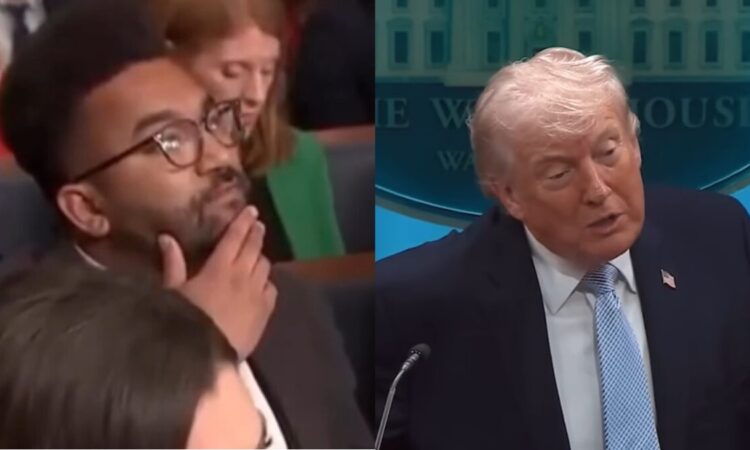
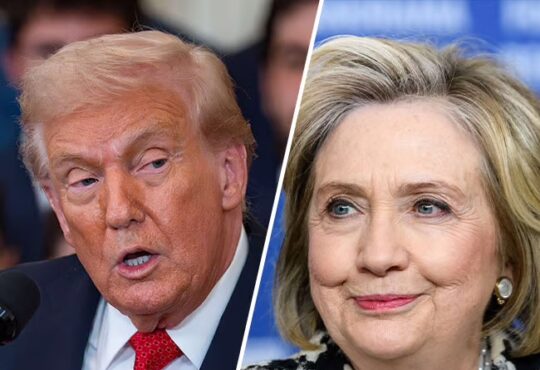
The New York Times has responded strongly after Donald Trump publicly criticized one of its reporters during a tense White House press conference. The situation quickly became heated when Trump singled out journalist Zolan Kanno-Youngs, dismissing him as “fake” in front of the room.
The confrontation happened during a discussion about the conflict involving Iran, where Kanno-Youngs attempted to ask a serious question about international law and whether certain military actions could be considered violations. Before the reporter could even finish, Trump interrupted him, demanding to know which news organization he represented. When he heard it was The New York Times, he immediately shifted the focus away from the question and began attacking the paper itself, claiming its circulation was falling and that it had lost credibility.
Even as the reporter tried to continue asking about potential war crimes and international law, Trump avoided giving a direct answer. Instead, he moved into a broader defense of his stance on Iran, repeating his position that the country should never be allowed to obtain nuclear weapons. His response became more emotional and less focused on the original question, turning into a criticism of past presidents and a warning about future leadership.
As the exchange continued, Kanno-Youngs tried to press again on whether such actions would violate international law, but Trump shut him down, telling the room to be quiet and returning to his criticism of The New York Times. He argued that the newspaper had lost its credibility over the years and accused its reporters of spreading false information. Looking directly at the journalist, he repeated the accusation, calling him “fake” in a personal and confrontational way.
The moment did not end there, as it quickly sparked reactions both in the room and online. Many people questioned why such press conferences are held if reporters are going to be dismissed or attacked for asking direct questions. Some critics described the interaction as unnecessary and humiliating, while others expressed frustration at what they see as a repeated pattern of conflict between Trump and the media.
This was not an isolated incident. Trump has had a long history of tense relationships with journalists, often clashing with them during interviews and press briefings. In another recent moment, he reportedly told a reporter she was “obnoxious” after being asked about Iran during a flight on Air Force One. These repeated confrontations have added to the ongoing debate about how political leaders should engage with the press.
The tension between Trump and The New York Times has been building for years. The president has frequently criticized the paper’s reporting, and at one point even filed a lawsuit against it over coverage related to his earlier presidential campaign and alleged connections to Russia. These ongoing disputes have made the relationship between the two especially strained.
Following the latest incident, The New York Times released a statement defending its journalist and its reporting. The organization said Trump’s comments were part of a pattern where he responds to fair and legitimate questions with personal attacks and inaccurate claims. They also pushed back against his criticism of their political coverage, stating that their reporting during the 2024 election reflected the reality of the race, including moments where Trump himself appeared to benefit.
The situation has also raised concerns about press freedom and the role of journalists in holding leaders accountable. When reporters ask difficult questions, especially about serious issues like war and international law, many believe those questions deserve clear answers rather than personal criticism.
Adding to the controversy, Trump has also suggested that journalists who publish leaked information about sensitive military matters could face legal consequences. This has further increased concerns among media organizations about the risks journalists may face while doing their work.
Overall, the incident highlights the ongoing tension between political power and the press, showing how quickly a formal setting like a press conference can turn into a personal confrontation. It also reflects a broader debate about accountability, free speech, and the role of journalism in questioning those in power.