Andy Burnham Faces Fresh Pressure as Shocking New Figures Reveal What Is Happening With Migrant Small Boat Crossings Under His Government

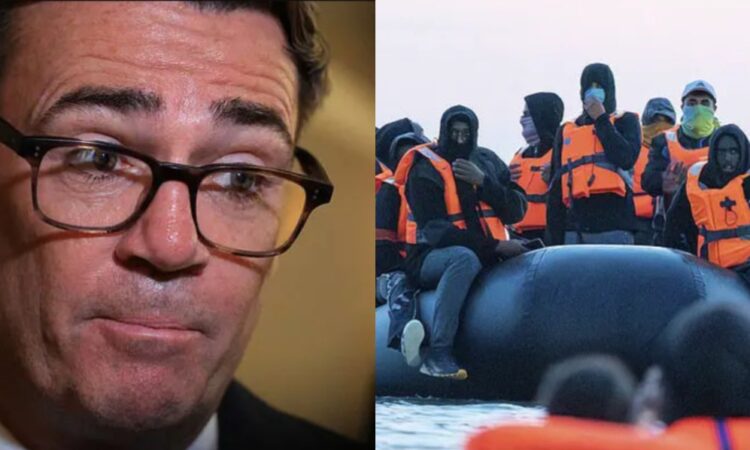
New figures have raised fresh concerns about how Prime Minister Andy Burnham is handling the number of migrants crossing the English Channel in small boats. According to an analysis of Home Office data by the Daily Mail, a higher percentage of migrants attempting the dangerous journey have successfully reached Britain under Burnham compared with the early weeks of former Prime Minister Keir Starmer’s government.
The figures have led to criticism from opposition politicians, who believe the government is not doing enough to stop small boats from reaching the UK.
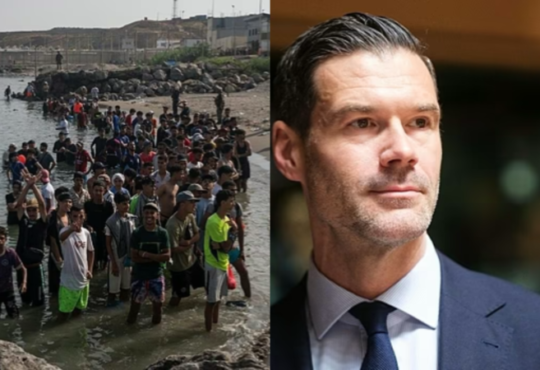
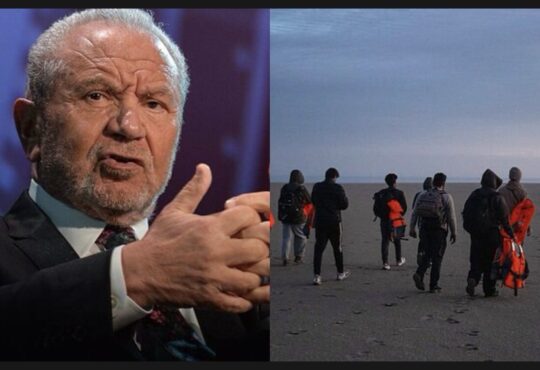
The report comes after 1,739 migrants arrived in Britain during the first seven days of October. This means that, on average, one migrant arrived every six minutes during that period.
According to the analysis, 6,666 migrants successfully crossed the Channel during Burnham’s first ten weeks as Prime Minister. During the same period, around 10,048 people attempted the journey.
This means approximately 66 per cent of those who tried to cross reached Britain, while French authorities stopped 3,382 people, representing about 34 per cent.
The figures were different during Keir Starmer’s first ten weeks in office in 2024.
At that time, 17,966 migrants attempted to cross the Channel, with 9,959 successfully reaching the UK. This represented around 55 per cent of those who attempted the journey, while approximately 45 per cent were stopped.
Although more migrants arrived in total during Starmer’s first ten weeks, the percentage of successful crossings was higher during Burnham’s first ten weeks.
The difference has raised questions about whether the current government’s approach to stopping small boats is working.
Critics have also pointed out that Burnham did not mention the small boats issue during his first speech outside Downing Street after becoming Prime Minister in July.
He also reportedly failed to discuss the issue during his hour-long speech at the Labour Party conference last week.
Some opposition politicians believe this shows that tackling illegal Channel crossings may not be one of his government’s main priorities.
Conservative shadow home secretary Chris Philp strongly criticised Labour’s handling of the situation.
Philp argued that replacing Keir Starmer with Andy Burnham had not solved the problem. He accused Labour of failing to take the necessary action to prevent migrants from crossing the Channel.
He also criticised the decision to abandon the previous Conservative government’s Rwanda deportation plan.
According to Philp, the only effective way to stop the crossings would be to remove people who enter the country illegally.
He said a future Conservative government would leave the European Convention on Human Rights and introduce tougher deportation measures.
However, these proposals remain political positions, and there is debate over whether they would be legally possible or effective in stopping the crossings.
Tony Smith, a former head of UK Border Force, also shared concerns about Burnham’s approach.
Smith said Burnham had not spoken as strongly about the small boats issue as Starmer had when he was Prime Minister.
He suggested that Burnham may have underestimated how strongly many people across Britain feel about the continuing arrivals.
Smith also explained that stopping the crossings is difficult because of the legal and practical challenges involved.
He believes the government faces a difficult choice between introducing much tougher immigration measures and continuing to work with French authorities to prevent boats from leaving France.
According to Smith, Labour may struggle to introduce some of the tougher policies being suggested by the Conservatives and Reform UK because not all Labour MPs would support them.
He warned that unless the government finds another effective solution, small boats could continue arriving on British shores.
The latest figures have also raised questions about the large amount of money Britain is paying France to help prevent migrants from crossing the Channel.
According to the report, Home Secretary Shabana Mahmood signed an agreement in April that included £500 million to support French beach patrols.
The agreement also included another £160 million in funding linked to performance.
The aim of the funding is to help French authorities stop more boats from leaving their coastline and prevent dangerous journeys across the Channel.
Despite this investment, people-smuggling gangs appear to be changing their methods to avoid police patrols.
Instead of using smaller boats from areas around Calais and Dunkirk, some smugglers have reportedly started launching much larger inflatable boats from locations further along the French coast.
These boats, sometimes described as “mega-dinghies”, can carry more than 100 people at a time.
Some have reportedly departed from Normandy and travelled towards the Hampshire coast rather than taking the more familiar route towards Kent.
This change in tactics has made the situation more complicated for authorities trying to prevent crossings.
The larger boats can carry many more passengers, meaning a smaller number of journeys can still result in hundreds of people arriving in Britain.
The report also revealed that 20,935 migrants had reached the UK by crossing the Channel in small boats since the beginning of the year.
Although this figure was around 40 per cent lower than during the same period last year, the percentage of migrants successfully completing the journey has increased.
This means that while fewer people may be attempting the crossing overall, a larger proportion of those making the journey are reaching British shores.
The analysis covered Burnham’s first ten weeks in office, using interception figures available up to the end of September.
However, the situation continued into October, with a significant number of new arrivals recorded during the first week.
Between October 1 and October 7, a total of 1,739 migrants reportedly reached Britain on 23 small boats.
That works out at an average of around 76 people on each boat.
Monday was particularly busy, with 609 migrants arriving in the UK in a single day.
The continued arrivals have increased pressure on the government to explain what further action it plans to take.
Opposition politicians want stronger border controls and faster deportations, while others argue that the government must also tackle the criminal gangs organising the crossings and improve cooperation with European countries.
The figures also show that the situation cannot be judged by arrival numbers alone. The number of people attempting the journey, the percentage stopped by French authorities and the changing methods used by smugglers all play a part.
For now, the latest analysis has added to the political debate over Britain’s border security and whether Burnham’s government is doing enough to address the problem.
The Home Office was contacted for comment on the findings, but no response was included in the original report.