Lord Sugar Reveals What He Would Do to Small Boat Migrants If He Became Prime Minister – And His Plan Has Sparked a Huge Debate

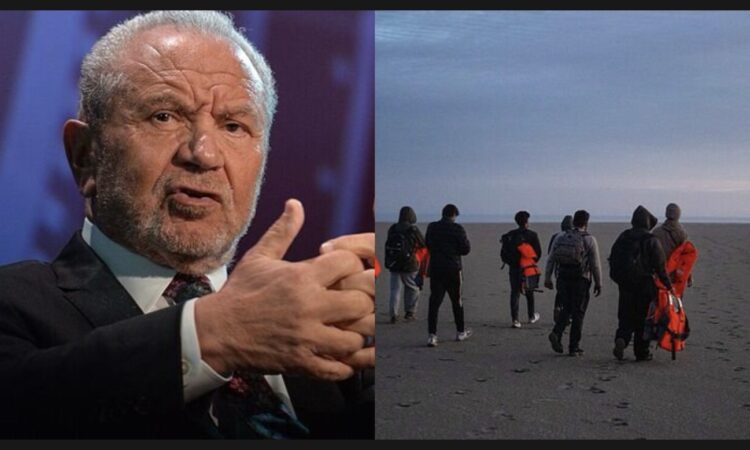
Lord Alan Sugar has revealed some of the major changes he says he would make if he ever became Prime Minister, including asking the Royal Navy to play a bigger role in stopping small boats carrying migrants across the English Channel.
The businessman and star of The Apprentice shared his ideas after people on social media asked him what his priorities would be if he were running the country. His proposals covered immigration, policing, prisons and defence spending.
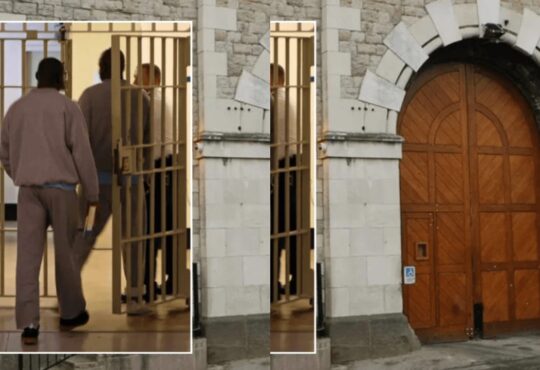
One of the biggest ideas put forward by Lord Sugar was the construction of five large, modern prisons. He also said he would recruit an additional 10,000 police and prison officers in an effort to increase the number of people working across the criminal justice system.
Lord Sugar suggested that some of the money needed for these plans could come from reducing military spending. However, that part of his proposal attracted criticism from some people online, who questioned whether cutting defence spending would be sensible.
Immigration was another major issue raised by Lord Sugar. He said he believes people escaping persecution or danger should seek protection in a safe country closer to the country they have fled from. He argued that many of the people reaching Britain by small boat have already travelled through other countries before arriving at the English Channel.
Because of this, Lord Sugar said that if he were Prime Minister, he would ask the Royal Navy to prevent the boats from reaching British shores.
His comments attracted a mixture of support and criticism. Some people responding online agreed that stronger action should be taken against small-boat crossings, while others questioned whether involving the military in this way would be practical or lawful.
There is also an important legal point surrounding Lord Sugar’s comments about asylum seekers being expected to claim protection in the nearest safe country. International refugee law does not contain a general rule requiring every asylum seeker to make a claim in the first safe country they reach. UNHCR has specifically said there is no such requirement under international law, although countries can have arrangements concerning safe third countries and responsibility for asylum claims.
Lord Sugar’s proposal for a greater Royal Navy role also has similarities to ideas previously put forward by Reform UK. The party has proposed using Royal Navy offshore patrol vessels as part of its approach to small boats in the Channel, including intercepting or shadowing vessels.
Nigel Farage has described Reform UK’s proposed approach as a major military operation in the Channel. Under the proposal described in the original report, migrants intercepted at sea would be taken towards France or Belgium rather than being allowed to continue their journey to Britain.
However, attempting to return boats across the Channel raises complicated legal, diplomatic and safety questions. International refugee protections include the principle of non-refoulement, which prevents refugees from being returned to places where they face persecution or other serious harm.
The UK has considered tougher action at sea before. During Boris Johnson’s time as Prime Minister, Operation Isotrope included plans that could have involved turning some small boats around. Those plans were ultimately abandoned amid legal and safety concerns.
Safety at sea is particularly important because authorities and vessels have obligations towards people who are in distress. This means any attempt to intercept small boats would have to consider the condition of the vessel, the weather, the number of people on board and whether anyone required immediate rescue.
Reform UK has argued that its proposed approach would not amount to simply pushing vulnerable boats back across the Channel. Its position has been that people could instead be rescued before being returned. Critics and legal experts have challenged aspects of such proposals, particularly where another country has not agreed to accept the people being returned.
Lord Sugar’s intervention therefore adds another well-known voice to the continuing debate over how Britain should deal with small-boat crossings. His ideas suggest that, if he were running the country, increasing police and prison capacity and taking a tougher approach to Channel crossings would be among his priorities, while his proposal to reduce military spending to fund some domestic measures has also generated disagreement.