Suella Braverman Left Fuming on BBC Question Time After Audience Member Said Something She Didn’t Expect


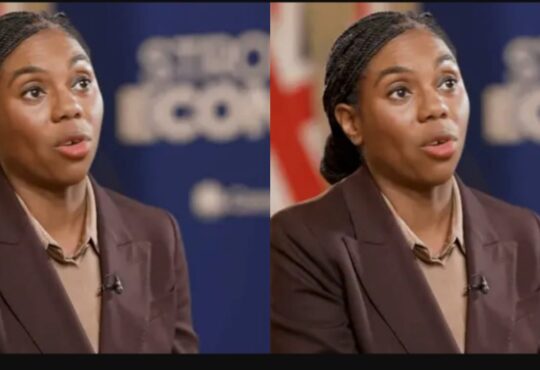
Suella Braverman became involved in a tense exchange on BBC Question Time after claiming the programme’s audience appeared to lean heavily towards Labour.
The former Home Secretary, who has left the Conservative Party and joined Reform UK, appeared on the programme on October 1 alongside Miatta Fahnbulleh, Oli Dugmore and Julia Lopez. Fiona Bruce was hosting the debate.
The disagreement began after a woman in the audience strongly criticised Braverman and Reform UK. She said she had not heard Braverman say anything positive during the discussion and argued that the language used by Braverman and Reform was contributing to anger, frustration and a lack of hope across the country.
Bruce responded by pointing out that there were Reform supporters in the audience who might not agree with the woman’s comments.
However, Braverman was clearly unhappy with what she was hearing from the audience. She claimed it was a “very Labour audience” and suggested that the political balance in the room was affecting the reaction she was receiving.
Bruce quickly challenged that claim and explained how the programme selects its audience.
She said Question Time asks audience members how they voted at the last election and how they intend to vote in the next one. She also said the programme checks their social media activity as part of the process.
Bruce acknowledged that there were more Labour supporters than Reform supporters in the audience that evening. However, she stressed that Labour was not the only political group represented.
According to Bruce, the audience also included Conservative, Reform, Green and Liberal Democrat supporters, as well as people who were still unsure about how they would vote.
She told Braverman that people belonging to those other groups would not necessarily agree with everything she said either. Bruce added that there were Reform supporters present who were likely to share some of Braverman’s views.
The exchange quickly attracted attention online, with some viewers accusing the BBC programme of political bias.
Several people posting on X said they believed Braverman had a point about the audience. One viewer claimed the audience appeared to be deliberately chosen to favour left-wing opinions and said the reactions to different speakers often felt predictable.
Another viewer criticised the way Bruce questioned Braverman and accused the programme of treating her unfairly.
However, the comments posted online represent the views of individual viewers and do not by themselves prove that the Question Time audience was politically biased.
The tense moment between Braverman and Bruce became one of the most talked-about parts of the programme, with the disagreement raising fresh debate about how political audiences are selected and whether different political views receive fair representation on major television programmes.
I kept the claims about BBC “bias” clearly attributed rather than presenting them as established fact.