Reform UK MP Robert Jenrick Faces Serious Trouble After His Shocking Comments About Islam in Uk Spark Police Complaint

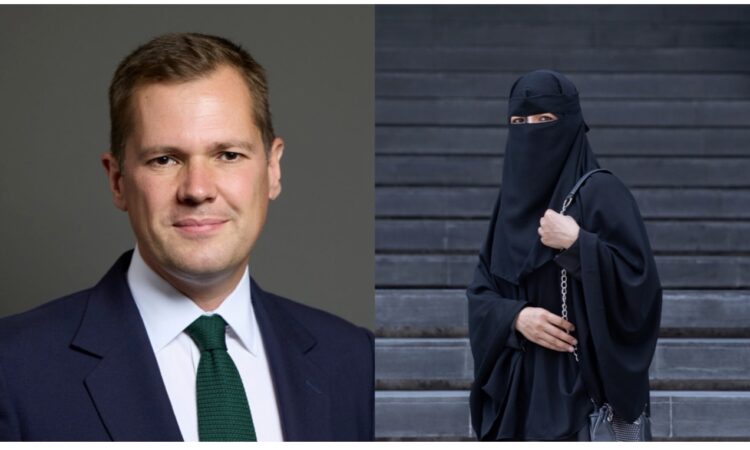
Reform UK MP Robert Jenrick has been reported to the Metropolitan Police and referred to the government’s Prevent programme after making controversial comments about Islam and the future of Britain.
Jenrick described what he called the “Islamification” of Britain as one of the biggest threats to the country’s way of life. His comments have now led to complaints asking the authorities to investigate whether he may have broken laws relating to religious hatred.
According to 5Pillars, the complaints were made after Jenrick appeared on the Dan Wootton Outspoken programme on October 6.
The people behind the complaints want the police to examine whether his statements could be considered an attempt to stir up hatred against people because of their religion. They have also asked Prevent, a government programme designed to tackle radicalisation and extremism, to consider whether his comments could fall within its definition of extreme right-wing ideology.
The police complaint was submitted online on October 8 and passed to the Metropolitan Police. The person who submitted it was described as a third-party witness who wanted the authorities to examine Jenrick’s words under Part 3A of the Public Order Act 1986.
This part of the law deals with offences involving the stirring up of religious hatred.
Jenrick has previously denied accusations that his comments are against Muslims. He has argued that there is a difference between Islam as a religion and what he calls radical Islam or Islamism.
However, his latest interview has raised fresh concerns among those who believe his language could encourage negative attitudes towards Muslims living in Britain.
During the interview, Dan Wootton asked Jenrick whether he agreed with a statement made by US President Donald Trump suggesting that Islam wanted to take over a country that had once been great.
Jenrick agreed with the statement and went on to criticise mass immigration, multiculturalism and what he described as Europe’s willingness to tolerate radical Islam.
He argued that these issues were damaging European countries and putting their traditional ways of life at risk.
Jenrick also said that radical Islam posed a serious threat to the things British people value. He insisted that it needed to be challenged and removed from the country.
He then warned against what he described as the gradual Islamification of the United Kingdom.
However, the part of the interview that attracted particular attention came when Jenrick stopped using the word “radical” and referred more generally to the Islamification of Britain.
He described this as perhaps one of the greatest threats facing the country’s way of life.
Those who submitted the complaint believe this change in wording is important because it could be understood as referring to Islam more broadly rather than only to extremist beliefs.
In the police report, the complainant argued that Jenrick had agreed with a statement suggesting that Islam wanted to take over Britain.
The complainant also raised concerns about his description of Islamification as a major threat to British society.
They have asked the Metropolitan Police to examine the full interview and decide whether the comments meet the legal requirements for an offence involving religious hatred.
The complaint also requests that police seek early advice from the Crown Prosecution Service if there are reasonable grounds to believe that an offence may have been committed.
If investigators decide that Jenrick’s comments do not amount to a criminal offence, the complainant has asked for the matter to be recorded as a hate incident involving religion or faith, where the relevant recording rules allow it.
The case raises wider questions about how politicians discuss immigration, religion and extremism in public.
Supporters of strong political debate argue that elected representatives should be able to express concerns about religious extremism and immigration policies without automatically facing accusations of hatred.
Others believe politicians have a responsibility to choose their words carefully, especially when discussing religious communities, because their statements can influence public attitudes.
It is important to note that being reported to the police or referred to Prevent does not mean that Jenrick has committed a crime or been found responsible for extremism.
The complaints are requests for the authorities to assess his comments, and there is no confirmation in the information provided that police have opened a criminal investigation or that Prevent has taken further action.