Newly Elected Labour MP Sagal Abdi-Wali Sends Powerful Message to Britain After Historic Election Victory

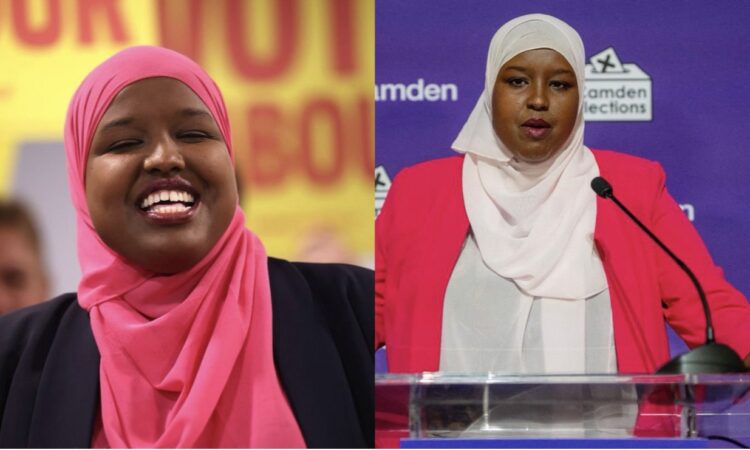
The Holborn and St Pancras by-election has attracted a lot of attention, especially because of the political battle involving Labour and the Green Party. However, behind the headlines is the remarkable story of a woman who arrived in Britain as a young refugee, unable to speak English, and has now become a Member of Parliament.
Sagal Abdi-Wali, who was born in Somalia, has won the Holborn and St Pancras by-election for Labour. Her victory is being celebrated by supporters as an example of how someone who came to Britain seeking safety can eventually rise to one of the country’s most important political positions.
Abdi-Wali was just seven years old when she arrived in London with her family after escaping the devastating war in Somalia. At the time, she could not speak English and had to adjust to a completely different country, culture and way of life.
Years later, the same girl who once struggled to communicate in an English classroom is now representing people in the House of Commons.
Her journey has not been without challenges. Before deciding to stand in the by-election, Abdi-Wali reportedly had doubts about whether she should put herself forward.
According to her friends, one incident helped convince her to take the opportunity.
Reform UK’s home affairs spokesman, Zia Yusuf, posted a message on X questioning Labour’s decision to put forward a candidate who was born in Somalia.
He wrote that the person Labour wanted to replace former Prime Minister Keir Starmer in Parliament had been born in Somalia, before asking people whether they understood what was happening.
His comments were strongly criticised by people who believed he was using Abdi-Wali’s birthplace to question whether she belonged in British politics.
However, rather than allowing the criticism to discourage her, Abdi-Wali continued her campaign and eventually won the election.
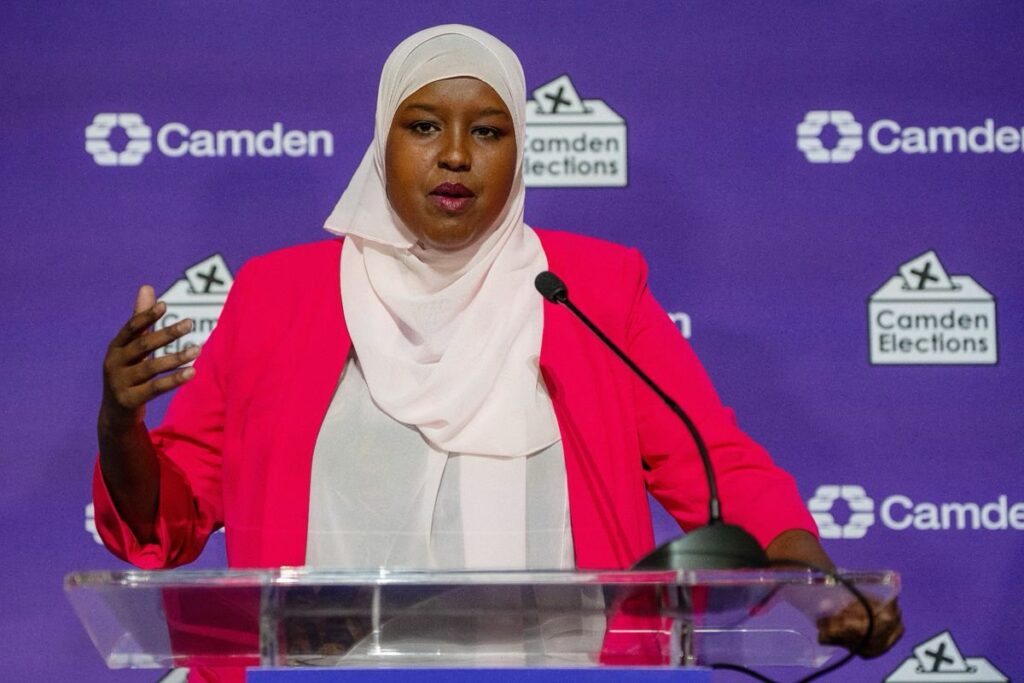
After her victory, she delivered an emotional speech in which she spoke about belonging, opportunity and the importance of giving people from different backgrounds the chance to succeed.
She said she hoped her election would send a message to people who looked like her that they also had a place in British society and politics.
She wanted young people to understand that where they come from should not decide how far they can go in life.
Abdi-Wali also spoke proudly about Camden, the London borough where she has spent most of her life.
For her, Camden is more than just a place to live. It is the community that welcomed her family when they needed safety and gave them the opportunity to build a new life.
Her election victory has also become an important moment for Labour leader Andy Burnham, whose party has been trying to rebuild support and bring together voters on the political left.
The result is being seen by Labour supporters as a sign that the party can still win important elections despite pressure from other political parties.
It has also raised questions about the growing influence of Green Party leader Zack Polanski, whose party had been hoping to make an impact in the constituency.
However, focusing only on the political battle between Burnham and Polanski would overlook Abdi-Wali’s personal achievements and the years of community work that helped her reach Parliament.
At 42, she has already spent much of her adult life helping people in the area where she grew up.
She has served as a school governor at two local schools and has worked with charities across North London. She has also volunteered her time to support local communities and people facing difficulties.
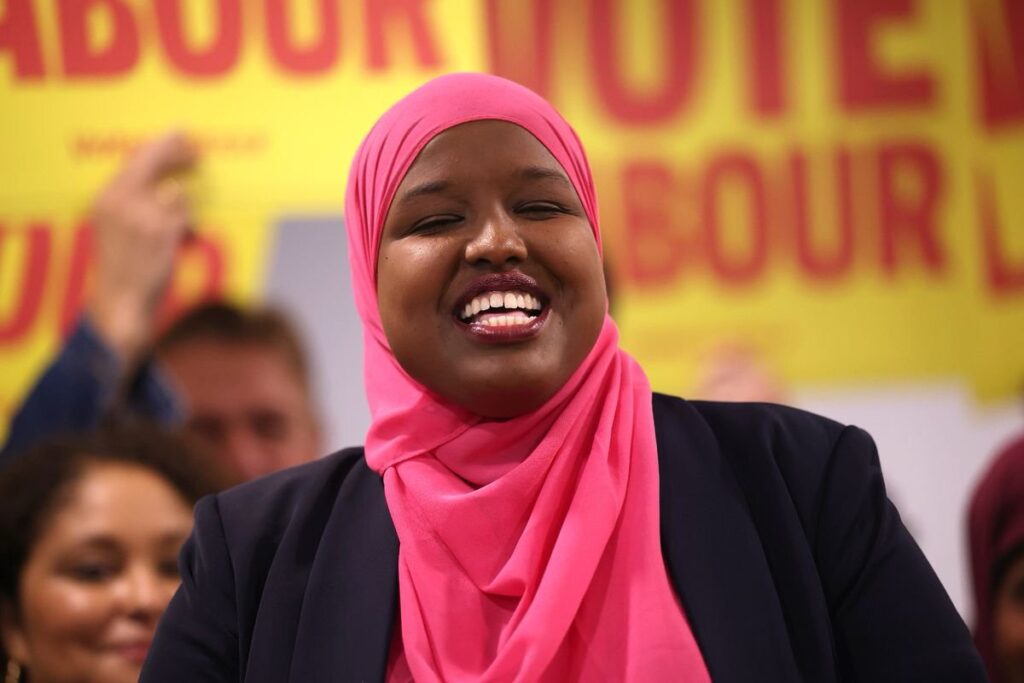
Before entering Parliament, she made history by becoming the first black woman to lead Camden Council.
Her interest in helping others was partly inspired by her mother, who worked as a lawyer and community activist.
Growing up, Abdi-Wali watched her mother support people and fight for causes she believed in. Those experiences helped shape her own interest in public service.
She has also spoken openly about the difficulties she faced when she first arrived in Britain.
Because she and her four brothers could not speak English, making friends at school was not always easy.
However, they discovered that football could help them communicate with other children.
Even though they did not understand the language, they could still play football, join teams and make friends.
Abdi-Wali has described sport as a language that everyone could understand, regardless of where they came from.
As she grew older, her connection to the local community became stronger.
In 2015, she joined the Labour Party after becoming concerned about the increasing number of people experiencing homelessness under the Conservative government.
She believed more needed to be done to help struggling families and people who could not afford somewhere to live.
That concern encouraged her to become more involved in politics and community leadership.
Her years of political work eventually led to her becoming Camden Council leader in May.
At the time, she spoke about how much the borough meant to her and her family.
She explained that Camden had been her home for 35 years and was the place that gave her family protection when they arrived in Britain.
She said the community had welcomed them and played an important role in shaping the person she had become.
For that reason, she had always wanted to give something back through community work and public service.
Now, after securing 45 per cent of the vote in the Holborn and St Pancras by-election, she has taken another major step in her political career.
Her victory means she will now have the opportunity to represent the people of Camden and surrounding areas at the national level.
For Abdi-Wali, becoming an MP is not simply about winning an election. It is also about continuing the work she began many years ago to help the community that welcomed her family.
Her story has attracted attention because of the enormous difference between where her journey began and where she stands today.
She arrived in London as a seven-year-old refugee who could not speak English. She grew up in Camden, became involved in community work, entered local politics, led the council and has now secured a seat in the British Parliament.
While political commentators continue to debate what the election result means for Labour, the Greens and the wider political landscape, Abdi-Wali’s supporters believe her personal journey deserves recognition in its own right.
Her victory also comes at a time when concerns have been raised about the challenges women, particularly women from minority backgrounds, face when entering politics.
For young people who have experienced similar struggles, her election could provide encouragement that their background does not have to limit their ambitions.
Abdi-Wali has made clear that she wants her achievement to inspire others to believe they can play an important role in shaping Britain’s future.
From arriving in the country as a child seeking safety to becoming an elected representative in Parliament, her journey shows how much her life has changed over the years.
And for the woman who once relied on football to communicate with other children because she could not speak English, speaking in the House of Commons will mark another extraordinary chapter in her life.