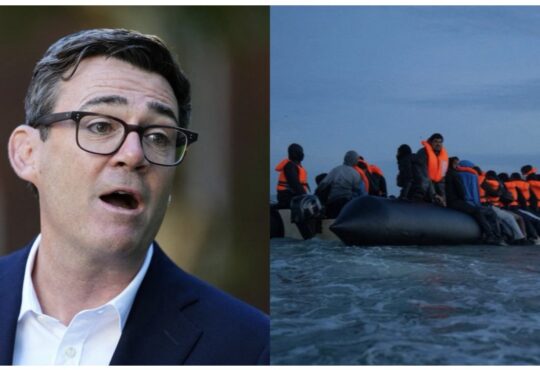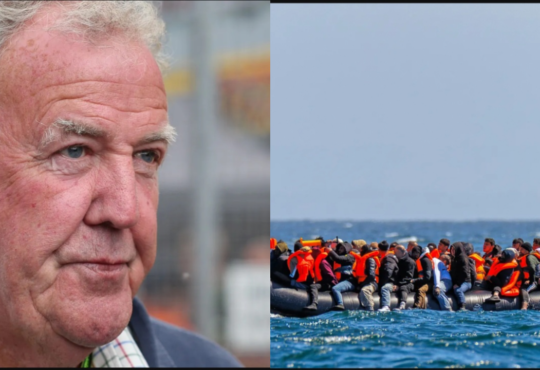

Pressure is growing on Prime Minister Andy Burnham to bring the dangerous small-boat crossings in the English Channel to an end, as reports say more than 180 people have died attempting the journey since 2018.
The figure highlights just how dangerous the route between France and Britain has become. Experts have also warned that the real number of deaths could be higher because not every incident may have been properly recorded.
The issue is once again under the spotlight as Labour members gather for the party’s annual conference. The government is facing difficult questions about what it is doing to stop people risking their lives in overcrowded and unsafe boats.
Two more deaths were reported last week, adding to concerns about the human cost of the crossings. Meanwhile, 18,565 people have reportedly made the journey to Britain by small boat so far this year.
Reform UK leader Nigel Farage said the situation must be brought under control. He blamed government policy and the current legal system for allowing the crossings to continue and called for tougher action, including greater involvement from the Royal Navy.
For the men, women and children who attempt the journey, getting into a small boat can quickly become a matter of life and death.
The Migration Observatory at the University of Oxford has reported more than 180 deaths connected with Channel crossings between 2018 and 2026. Researchers have warned that the true number could be higher than the available figures suggest.
The International Organization for Migration, which uses figures going back to 2014, has recorded an even higher number of deaths and missing people connected with the route. Its figures include women and children.
A UN spokesperson stressed that these numbers represent real people, families and communities affected by the tragedy.
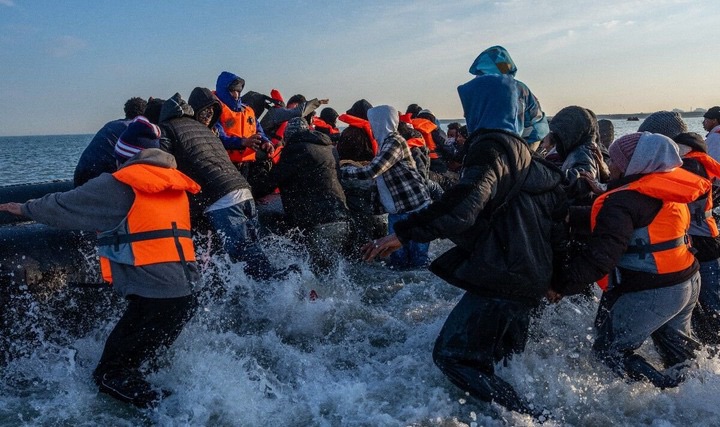
Recent footage from the French coast showed just how quickly things can become dangerous. In one incident, a small child wearing a life jacket was left floating in the water while people rushed towards an overcrowded dinghy. French rescuers were able to reach the child and bring the youngster to safety.
Another frightening account involved a mother travelling with her six-month-old baby.
According to a Border Force source who spoke anonymously, the woman said she had been frightened before the journey even began because the boat looked weak and was already overcrowded. She claimed smugglers pushed people onto the vessel despite the lack of space.
During the crossing, the baby reportedly slipped from her arms and landed face down in water that had collected at the bottom of the boat.
Because so many people were packed together, the mother could not immediately reach her child. She began screaming and begging the other passengers to move. Eventually, enough space was created for her to pick up the baby.
The woman later described the journey as one of the most terrifying experiences of her life.
There have been several other deadly incidents involving small boats.
The National Crime Agency previously warned that overcrowding can make the boats even more dangerous. When large numbers of people rush towards a dinghy and try to climb aboard at the same time, passengers can be pushed, trapped or crushed.
Children have been among those killed during previous incidents. In some cases, passengers have fallen into the sea. In others, people have reportedly been crushed inside overcrowded boats.
Sources familiar with the crossings say smugglers have also changed the way they operate, including offering cheaper journeys to people who may not be able to afford higher prices.
The danger does not disappear once a boat leaves the French coast.
Border Force personnel who have witnessed emergencies in the Channel have described scenes of panic when inflatable boats begin taking on water or losing air.
If one section of a boat starts collapsing, frightened passengers may rush towards the opposite side. That sudden movement can make the vessel even more unstable.
People trapped underneath others may then struggle to escape as water enters the boat. In the worst cases, passengers can become submerged while sections of the inflatable vessel collapse around them.
Even people who survive the crossing can suffer serious injuries.
Some migrants arriving in Dover have reportedly suffered chemical burns after fuel from the boat’s engine mixes with seawater. Wet clothing can keep the mixture pressed against the skin for long periods, increasing the risk of painful burns.
Children can be particularly vulnerable because they are sometimes placed in the middle of boats in an attempt to prevent them from falling overboard. However, this can leave them sitting close to fuel or water collecting inside the vessel.
Questions have also been raised about the quality of some of the boats being used. Sources say many are cheaply constructed and are not designed to carry large numbers of people across one of the world’s busiest shipping routes.
Smugglers have also been accused of separating families while trying to fill boats.
One source described an incident in northern France where a family was allegedly split between two overcrowded boats. The mother was placed in one vessel while her six-year-old daughter was put in another.
The mother’s boat reportedly developed problems and failed to complete the journey. However, the six-year-old girl reached Britain without either of her parents.
Authorities then had to take the child into care while attempts were made to locate her family and reunite them.
The case was described as an example of how little concern some smugglers appear to have for the safety of the people paying them to cross the Channel.
The political argument over how to stop the crossings is becoming increasingly intense.
Burnham has said his government’s aim is to eventually reach a situation where there are no Channel crossings. However, he has refused to give a specific date for when that could happen.
He has also argued that Britain’s departure from the European Union damaged some of the cooperation with European countries that could help tackle the problem.
Opposition politicians strongly disagree with the government’s approach.
Shadow Home Secretary Chris Philp said tougher measures are needed to discourage people from attempting the journey. He argued that the government should make it easier to remove people who enter Britain illegally and said the UK should consider leaving the European Convention on Human Rights.
Philp also pointed to Australia’s past approach to irregular migration, arguing that Britain needs a major change in policy if it wants to stop people attempting dangerous journeys.
Former Border Force Director General Tony Smith said every boat that successfully reaches Britain can encourage others waiting in northern France to believe the same route will work for them.
He said smugglers continue changing their methods because there is still money to be made from the crossings.
As the political debate continues, the human cost remains at the centre of the crisis. People are still climbing into overcrowded inflatable boats and attempting a dangerous journey across the Channel, while families, including young children, continue to face the risk of serious injury or death.