Boat Migrant Who Reached UK Shores Undetected Sparks Major Security Fears After Authorities Discover One Shocking Detail

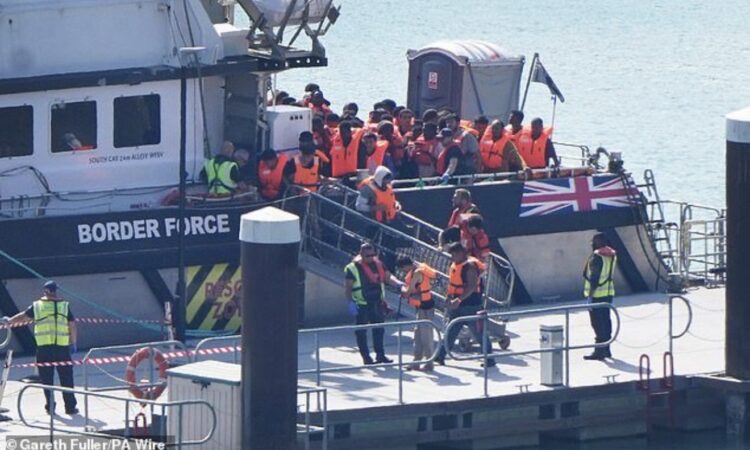
A Russian man was reportedly among a group of migrants who managed to reach the British coast in a small boat without being intercepted by Border Force, raising fresh questions about security along the English Channel.
The incident happened near Samphire Hoe, close to Dover, last Tuesday. According to reports, around 30 people were believed to have been travelling in the boat when it reached the coast without an official escort.
Twenty-one people were later detained by the authorities, including a Russian national. However, several others from the group were reportedly not immediately accounted for.
The incident has increased concerns about what are sometimes described as “uncontrolled landings”. This is when a small boat reaches the British coast without first being intercepted at sea, meaning the people on board may have an opportunity to leave the area before immigration and security checks can be carried out.
The presence of a Russian national attracted particular attention because of continuing tensions between Russia, Britain and other NATO countries.
However, there is currently no evidence that the Russian man was working as a spy, saboteur or agent for the Russian government. Reports said Border Force officials were looking into his background and considering different possible reasons for his journey, including whether he may have been trying to avoid being called up for military service in Russia and potentially sent to fight in Ukraine.
Counter Terrorism Policing South East reportedly said it was aware of the incident but was not investigating it at the time. The Home Office declined to comment on the individual case.
The Samphire Hoe incident was reportedly one of two occasions during the same week in which small boats reached the British coastline without first being intercepted by Border Force.
Another boat carrying five people reportedly arrived at The Warren, a rocky coastal area near Folkestone. The five people were subsequently detained.
Although all five from that boat were found, the incidents have renewed questions about whether other boats could reach parts of Britain’s long coastline without authorities immediately knowing.
Security specialists have warned that such gaps could potentially be exploited not only by people trying to enter Britain illegally, but also by organised criminals or individuals who pose a security threat.
Those concerns do not mean that every person arriving in a small boat presents such a threat. However, experts argue that identifying everyone who enters the country is important because normal immigration and security checks allow authorities to examine a person’s identity, nationality and background.
The latest case comes amid previous reports about people with suspected links to foreign intelligence organisations attempting to enter Britain through irregular routes.
Earlier reports claimed that people suspected of having connections to Iranian intelligence had been intercepted while attempting to reach Britain using small boats. Claims have also been made that foreign governments could try to take advantage of migrant smuggling networks operating across Europe.
There have also been previous cases involving individuals arriving by small boat who later attracted the attention of security authorities.
One widely reported case involved Abu Wadee, a Palestinian man who had reportedly appeared in photographs with weapons and made extreme antisemitic statements. He was among migrants intercepted by Border Force in Kent and was later jailed for illegally entering Britain by small boat.
The cases have added to a wider debate about whether hostile states, terrorist organisations or organised crime groups could attempt to use the same routes operated by people-smuggling gangs.
Former Army intelligence officer Colonel Philip Ingram raised concerns that authorities may not know about every small boat that successfully reaches the British coastline.
He argued that boats which avoid detection could potentially be attractive to organised criminal groups, terrorist organisations or hostile intelligence services because passengers may initially avoid the checks normally carried out after an interception.
Ingram also questioned why a Russian national would choose the dangerous and expensive Channel route rather than entering Britain through an airport, port or another legal route.
However, the circumstances surrounding the Russian man’s journey remain under investigation, and his nationality alone does not establish that he was involved in espionage or any other hostile activity.
The incidents have nevertheless placed additional pressure on the Government to explain how boats were able to reach the coast without being intercepted.
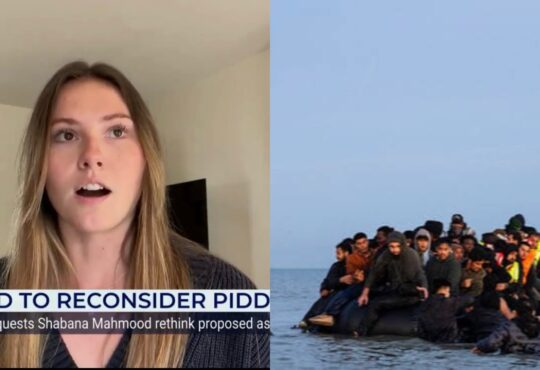
Home Secretary Shabana Mahmood described the arrival of unescorted boats as “not acceptable” and said uncontrolled crossings had become extremely rare because of improved monitoring.
She said that even one such incident was too many and ordered an urgent review by the Border Security Command to establish what happened and determine what changes may be necessary to prevent similar incidents.
Concerns about Russia and irregular migration have also been raised elsewhere in Europe.
Bulgarian government minister Daniel Mitov previously claimed that his country had evidence suggesting Russia’s foreign intelligence service had links with criminal organisations involved in illegal migration into the European Union.
He alleged that Russian intelligence officers were helping smugglers identify weaknesses along European borders and providing information about how migrants could exploit asylum systems or make removal more difficult.
Such allegations have contributed to wider fears that migration routes could potentially be used as part of hostile operations against European countries.
For Britain, the immediate concern is how a boat carrying around 30 people was reportedly able to reach the Kent coastline without being stopped at sea and why some of those believed to have been on board were not immediately detained.
Authorities now face pressure to establish exactly who travelled in the boat, where the missing passengers went and whether existing surveillance systems are strong enough to detect other boats attempting similar landings.
The Russian man’s presence has made the incident more sensitive, but officials will need to establish the facts surrounding his journey before conclusions can be drawn about why he travelled to Britain in this way.
What is already clear is that the two reported uncontrolled landings have renewed the debate over Britain’s ability to monitor the Channel and ensure that everyone arriving on the coast is identified and properly checked.