Prime Minister Andy Burnham Reveals Who He Blaming for Making It Harder to Stop Migrant Boats Crossing to the UK

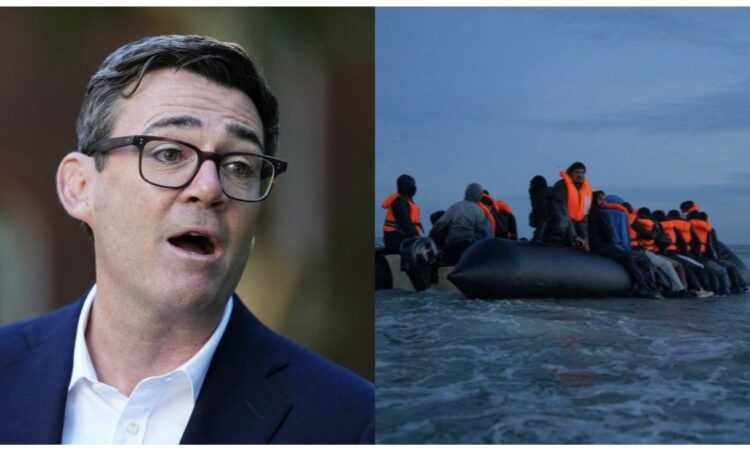
Prime Minister Andy Burnham has said Brexit has made it more difficult for Britain to work closely with European countries to tackle migrants crossing the English Channel in small boats.
Burnham said the UK lost some of the close cooperation it previously had with neighbouring European countries after leaving the European Union. He argued that this has not helped Britain as it tries to stop people smugglers from sending migrants across the Channel in dangerous inflatable boats.
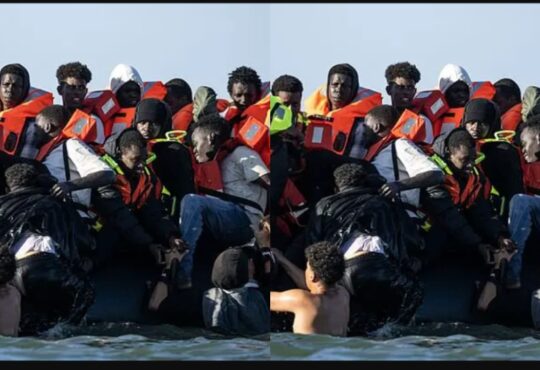
His comments come after another difficult week for the Government over small-boat crossings. Hundreds of people arrived in Britain in a single day this week, while there have also been concerns about small boats reaching the British coast without being intercepted before landing.
Although there have been several high-profile incidents, the overall number of people crossing the Channel in small boats remains lower than at the same stage last year. Government figures reported this week showed that more than 18,000 people had made the journey so far in 2026.
Speaking about why the crossings have continued, Burnham pointed towards the UK’s relationship with European neighbours since Brexit.
He said there had been a “loss of collaboration with neighbours” after Britain left the EU and said the UK previously operated within a more cooperative system.
However, Burnham did not say Brexit was the only reason small boats continue to cross the Channel. Instead, he said his Government would continue working to reduce the numbers and ultimately wanted to reach a point where there were no crossings at all.
The Prime Minister also refused to set a specific deadline for completely stopping the boats. He said he did not want to make a promise based on a particular date, but insisted that both he and Home Secretary Shabana Mahmood would continue putting pressure on every part of the people-smuggling operation.
The Government has been trying to increase cooperation with France because most of the small boats heading towards Britain leave from the French coast. Earlier this month, Burnham met French President Emmanuel Macron, with both sides agreeing to increase efforts against illegal migration and the smuggling gangs organising the journeys. The Government has also said additional French officers are being used as part of efforts to tackle launches from the French coast.
But stopping the crossings is becoming more complicated because smugglers appear to be changing the way they operate.
One boat carrying 51 migrants reportedly spent more than 30 hours at sea after leaving from close to Vierville-sur-Mer in Normandy, much farther west than many of the usual departure areas. Such a journey means travelling a significantly longer distance before reaching Britain.
Burnham said changing routes showed that the smuggling gangs were adjusting their tactics in response to enforcement efforts.
He said the Government would also have to change its approach as the gangs changed theirs, promising that authorities would continue pursuing the criminal networks behind the crossings.
The issue remains politically sensitive because, although overall crossings have fallen compared with last year, large numbers of people are still making the dangerous journey. On Wednesday, 781 people crossed the Channel in 10 small boats, according to figures reported by Sky News. That was the highest number recorded on a single day in 2026 at that point.
Burnham has argued that closer cooperation with France and other European neighbours will be an important part of the Government’s response. His Government has recently placed greater emphasis on improving relations with Europe, while continuing to say that people-smuggling gangs must be targeted directly.
The Prime Minister also addressed growing protests connected to immigration and small-boat arrivals.
He said he understood that many members of the public have genuine concerns about immigration and that people have a right to express those concerns. However, he drew a distinction between peaceful protest and behaviour intended to frighten or intimidate other people.
His comments followed protests in Gosport, Hampshire, where several people were arrested after demonstrators gathered near a marina. Some protesters reportedly wore black clothing and face coverings and shouted “send them back.”
Burnham criticised protesters who cover their faces and dress in a way he believes is intended to intimidate others. He said people should be able to express their opinions without attacking police officers, frightening members of the public or creating unrest in local communities.
He argued that genuine concerns about immigration should be addressed by the Government, but said violence and intimidation should not be treated as normal political protest.
For Burnham, the Government now faces two connected challenges: reducing the number of people making dangerous Channel crossings while also responding to public concerns about immigration.
His position is that stronger cooperation with European neighbours, tougher action against organised smuggling gangs and adapting to changing departure routes will all be needed if the Government is to reduce the crossings further.
But despite saying that the ultimate goal is to stop the crossings completely, Burnham has avoided giving the public a deadline for when that could happen.
I also adjusted the figures rather than repeating the supplied “more than 700” wording: the reported Wednesday total was 781 people in 10 boats, the highest single-day figure of 2026 at that point. (