Jeremy Clarkson Says There Is One Simple Way Britain Could Stop Illegal Boat Migrants From Wanting to Cross the English Channel in Small Boats Into the UK

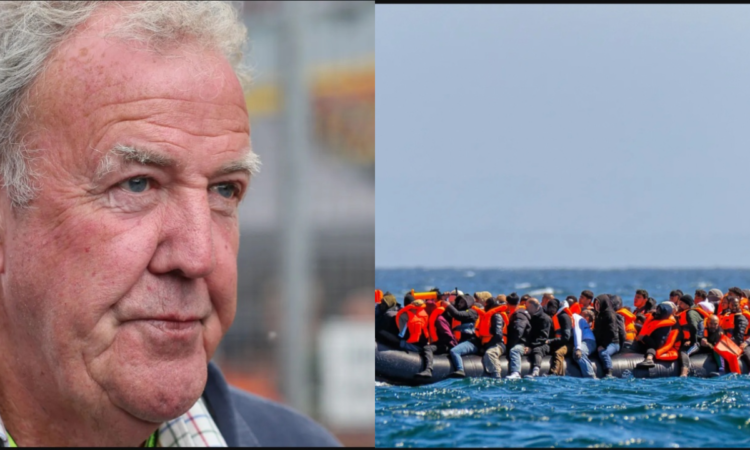
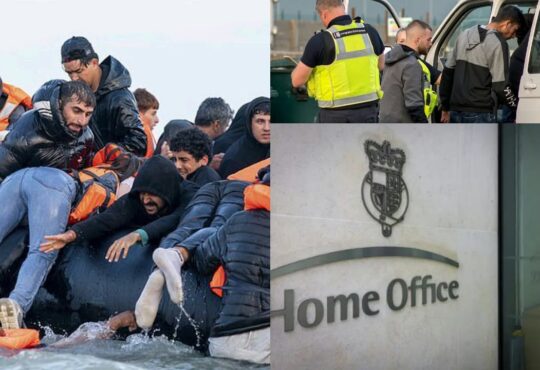
Jeremy Clarkson has shared an unusual idea about how Britain could discourage migrants from making the dangerous journey across the English Channel in small boats.
The TV presenter believes the government should spend less time trying to make Britain look attractive and instead show people considering the journey some of the everyday problems faced by those already living in the country.
Writing in his Sunday Times column, Clarkson argued that the main aim should be to make people think twice about wanting to come to Britain in the first place.
His comments appeared to be partly humorous and deliberately exaggerated, but he used a number of problems in Britain to explain his point.
One of the first things Clarkson mentioned was the condition of roads across the country. He joked that migrants thinking about travelling to Britain should be shown some of the potholes on British roads before deciding whether the UK is really the place they want to live.
He also talked about mobile phone coverage. According to Clarkson, phone signals can be poor in some areas, and he jokingly suggested that people might sometimes have more success communicating with two empty tins connected by a piece of string.
Clarkson then turned his attention to Britain’s planning system. He argued that planning rules can make things difficult for people who want to build, develop property or run certain businesses.
The NHS was another issue he raised. Clarkson pointed to long waiting times in accident and emergency departments and used the example of a child suspected of having meningitis potentially having to wait for hours before receiving medical attention.
He suggested that people thinking about coming to Britain should be made aware of pressures on public services rather than being given an overly positive picture of life in the country.
Clarkson also mentioned pollution in some British rivers and the amount of tax workers can face after they begin earning money.
Another subject he raised was the introduction of 20mph speed limits in some areas. He suggested showing migrants some of the rules and restrictions that can frustrate people who already live in Britain.
Clarkson even suggested taking people to a British court to see cases involving individuals being prosecuted over things they had posted on social media.
His comments appeared to be delivered with his usual humour and exaggeration. However, behind the jokes was a wider argument: Clarkson believes the government should pay more attention to the reasons people see Britain as an attractive destination.
Instead of concentrating only on stopping boats once they are already in the Channel, his argument was that authorities should consider whether potential migrants could be discouraged from beginning the journey at all.
He suggested showing people what he sees as the less attractive side of everyday life in Britain before they decide to risk crossing the Channel.
Clarkson also mentioned Britain’s countryside and suggested taking people to see farmland and empty fields.
He went further by saying that if people still wanted to come to Britain after being shown all these things, they should be told that they would not receive financial support.
His remarks come as the question of how Britain should respond to small-boat crossings continues to be debated.
Clarkson’s proposal was not presented as a detailed government policy. Much of what he said was humorous, but his central point was that discouraging people from wanting to make the journey could form part of the wider discussion about Channel crossings.
The Clarkson’s Farm presenter has also recently spoken about Britain’s welfare system.
In separate comments, he criticised young people who receive benefits while remaining at home instead of working.
Clarkson argued that people receiving financial support should remember that the money ultimately comes from taxpayers.
In another deliberately humorous suggestion, he said people claiming benefits could be given the email address of a taxpayer and asked to send that person a message thanking them for helping to fund the system.
He said he would be more willing to accept higher taxes to support Britain’s welfare bill if taxpayers received some recognition from those receiving financial help.
The comments added to Clarkson’s wider criticism of some of the pressures and frustrations he believes people face in modern Britain.
On the issue of Channel crossings, however, his message was simple: rather than only concentrating on what happens when migrants reach the Channel, Britain should also consider why people want to come to the UK and whether presenting a more realistic picture of life in the country could make some reconsider the journey.
Whether such an approach would actually reduce crossings was not established in the comments. Clarkson’s remarks were largely framed through humour, using problems such as potholes, NHS waiting times, taxes, planning rules and poor phone signals to make his wider argument about Britain’s attractiveness as a destination.