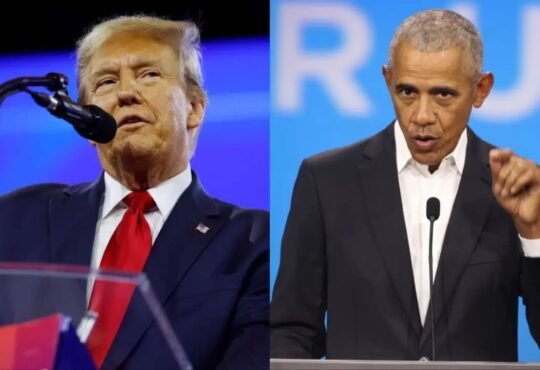
Donald Trump Tries to Shift Blame for the Price at the Pump, But New Stickers Around the Country Send a Message He Can’t Ignore

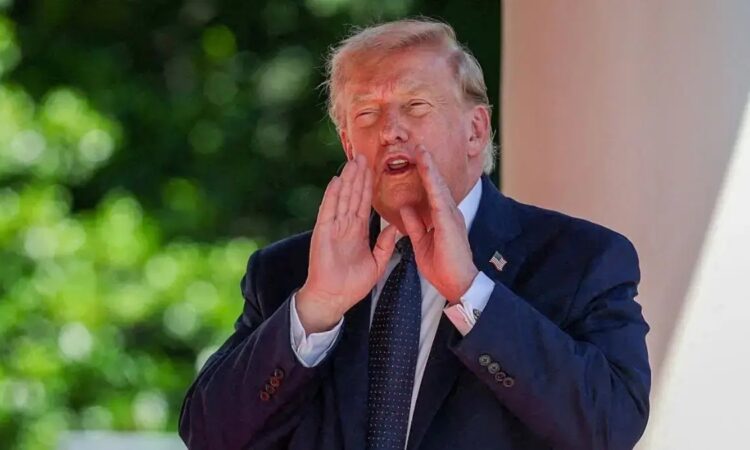
President Donald Trump is facing growing pressure over the sharp rise in fuel prices across the United States, as many Americans struggle with the higher cost of filling up their cars.
Trump has been trying to explain why petrol and diesel prices have increased so much, while also pushing back against claims that his administration is mainly responsible.
During an event in Gastonia, North Carolina, on September 16, Trump spoke about the rising cost of fuel and pointed to the Russia-Ukraine war as one of the reasons diesel prices have gone up.
Trump first spoke about his efforts to bring different conflicts around the world to an end. He then turned his attention to Russia and Ukraine, saying the conflict between the two countries had become particularly difficult because of the hostility between their leaders.
He later suggested that the war was helping to push diesel prices higher.
However, the reasons behind the current rise in fuel prices are more complicated. The Russia-Ukraine war has affected global energy markets, including through attacks on Russian refineries, but disruption linked to the conflict involving Iran and instability around important oil shipping routes has also put pressure on global supplies.
The Strait of Hormuz is particularly important because large amounts of the world’s oil normally pass through the area. Problems affecting the movement of oil through major shipping routes can quickly push crude oil prices higher and eventually affect what American drivers pay at petrol stations.
Trump also acknowledged that Americans are paying more for fuel, but argued that the increase was a price worth paying for what his administration was trying to achieve internationally.
He predicted that prices would eventually fall sharply, describing the expected decline as being like a “rocket ship in reverse.”
For many Americans, however, the immediate problem is what they are paying at the pump right now.
According to AAA, the national average price for regular petrol reached about $4.43 per gallon on September 17. That was more than $1 higher than a year earlier. Diesel prices had climbed to around $6.39 per gallon at the same time.
The increases have become an increasingly difficult political issue for Trump, particularly with the midterm elections approaching.
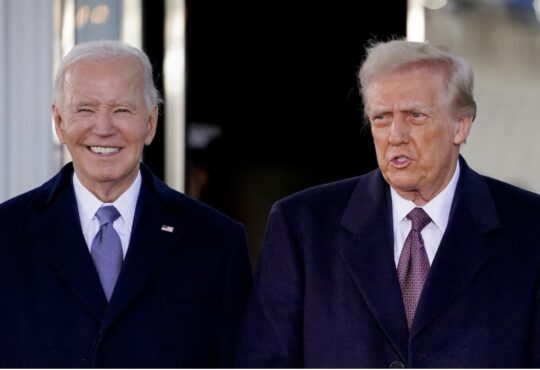
Some of his critics have even brought back a political protest that was previously used against former President Joe Biden.
Stickers showing Trump pointing towards the price display with the words “I DID THAT” have appeared on some petrol pumps. Similar stickers featuring Biden were widely used when fuel prices increased during his presidency.
The stickers are being used by Trump’s critics to argue that he should take responsibility for what Americans are currently paying.
People have also taken to social media to challenge Trump’s explanation.
Some accused him of trying to shift responsibility to Russia and Ukraine, while others argued that decisions made by his own administration contributed to the disruption in global energy markets.
Trump, however, has continued to defend his record and has also blamed some of America’s wider cost-of-living problems on the Biden administration.
In a social media post on September 14, Trump argued that price increases across the country were caused by Biden’s policies rather than his own administration.
He also disputed the idea that current oil prices should be blamed on him.
But the latest figures show why fuel prices have become such a major concern for American families.
AAA reported that regular petrol averaged $4.43 per gallon on September 17, compared with about $3.20 a year earlier. By September 24, the national average had climbed further to around $4.48.
Diesel has risen even more dramatically. AAA figures show that the national diesel average reached a record of more than $6.52 per gallon on September 22.
That matters beyond the amount people pay to fill their personal vehicles. Diesel is heavily used by trucks, farms and businesses transporting goods around the country. When diesel becomes more expensive, businesses can face higher transportation costs, which can eventually put additional pressure on the prices consumers pay for everyday products.
There is also disagreement over exactly how much responsibility should be placed on any single conflict or political leader.
The Russia-Ukraine war continues to affect global diesel supplies, including through damage to Russian refining facilities. At the same time, instability involving Iran and disruption around major Middle Eastern oil routes have also contributed to pressure on global energy markets.
AAA said in September that high crude oil prices and continued volatility around the Strait of Hormuz were helping to keep American petrol prices elevated.
Trump: Russia/Ukraine… The two leaders hate each other so much and hatred is very interesting. War is very interesting…. actually that’s the one that’s driving up diesel prices. pic.twitter.com/vrBZJeUOTk— Acyn (@Acyn) September 17, 2026
For Trump, the challenge now is convincing Americans that his administration can bring those prices back down.
He says relief is coming and has predicted a major fall in fuel costs. But until drivers actually see lower numbers when they arrive at the pump, the issue is likely to remain a major source of political debate ahead of the midterm elections.