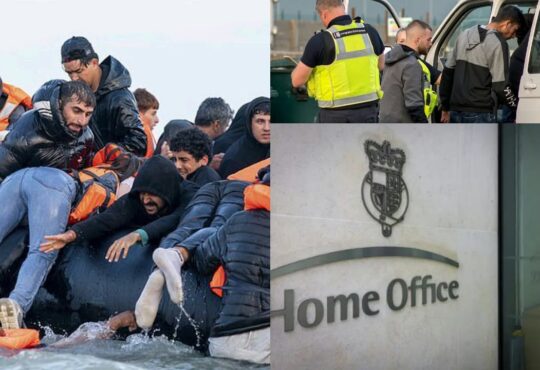

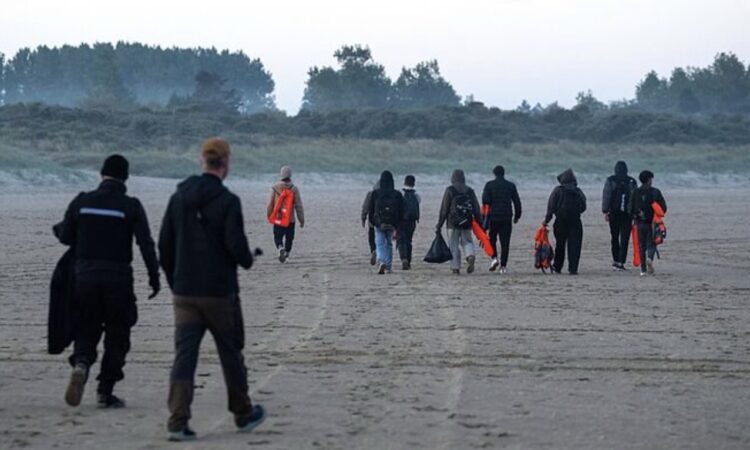
A boat carrying 51 migrants arrived in Dover on Tuesday after spending more than 30 hours at sea and repeatedly refusing help from the French coastguard.
French rescue officials said the small boat had been closely monitored as it travelled across the English Channel towards the UK. The people onboard were said to have been at sea for around 33 hours in difficult and dangerous conditions.
According to the French Maritime Prefecture for the English Channel and North Sea, the boat was first being monitored from the morning of September 21 and remained at sea until the following afternoon.
Officials said the vessel was not suitable for such a long and dangerous journey. They also said some of the people onboard had become weak after spending so many hours at sea.
Despite the risks, the migrants reportedly refused offers of assistance from French rescue teams. French authorities said they appeared determined to continue their journey towards the UK, even though doing so involved serious risks.
The French Maritime Prefecture explained that rescue teams continued to monitor the boat because protecting lives at sea is part of their responsibility.
Officials said French vessels were deployed because international maritime law requires ships and rescue services to provide assistance when people may be in danger at sea.
However, the situation becomes more complicated when people onboard a migrant boat refuse to accept help.
French authorities said the migrants continued towards Britain despite the length of time they had already spent at sea and the poor conditions onboard their vessel.
The boat eventually reached the UK, with 51 people arriving in Dover on Tuesday.
The incident comes at a time when Channel crossings remain under close attention in both Britain and France. Authorities on both sides of the Channel have faced questions about how small boats are monitored, intercepted and dealt with when those onboard refuse assistance.
French officials also reminded people operating vessels at sea that they have a legal duty to help anyone believed to be in danger.
They referred to international rules including the United Nations Convention on the Law of the Sea, the International Convention for the Safety of Life at Sea and international rules covering maritime search and rescue.
Authorities warned that failing to provide required assistance, or interfering with an active rescue operation, could potentially lead to legal action.
The journey highlights the dangers involved in attempting to cross the English Channel in a small and overcrowded boat. Conditions can change quickly, while vessels used for these journeys are often not designed to spend long periods at sea.
In this case, the migrants reportedly remained on the water for more than a full day while continuing towards the UK despite repeated offers of help.
After approximately 33 hours at sea, the journey finally ended when the group reached Dover on Tuesday.