“We Must Get to the UK”: Desperate Small-Boat Migrants Who Ignored Dangerous Weather Warnings Met the Unexpected During Their Journey

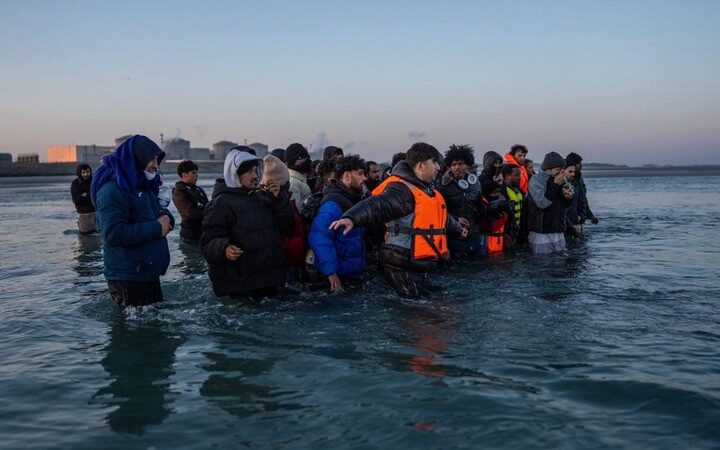
Migrants have continued trying to cross the English Channel in small boats despite thunderstorms, high winds and dangerous conditions at sea.
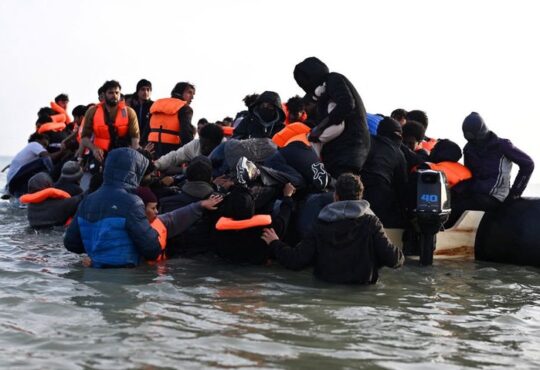
One migrant has died and more than 70 others have been rescued following an attempt to reach Britain. The small boat was reportedly carrying over 110 people when it ran into difficulty near Gravelines, on the northern coast of France.
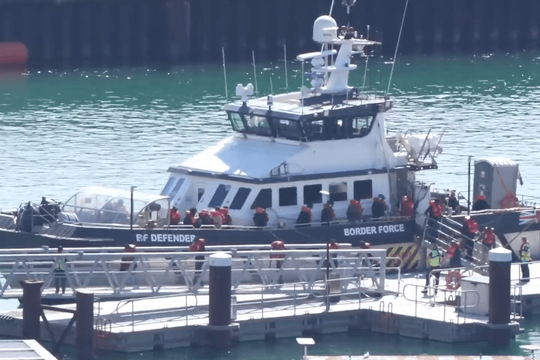
The boat was being watched by a rescue vessel overnight from Thursday into Friday. After the migrants called for help, rescue workers moved in and began taking people from the overcrowded boat.
When the emergency team arrived, they found one person in a critical condition. Rescuers immediately started CPR and a helicopter was sent to assist, but the migrant could not be saved and was pronounced dead.
Three other people were also injured during the incident. One of them reportedly needed urgent medical treatment. The French Maritime Prefecture confirmed the rescue and said emergency services were involved in helping those in danger.
Despite the tragedy and worsening weather, other migrants continued attempting to cross the Channel on Friday. Heavy thunderstorms and increasingly powerful winds made the journey extremely dangerous, especially for people travelling in small and overcrowded boats.
The latest arrivals have taken the number of migrants who have crossed the Channel so far this year to around 16,500. This is said to be more than 40 per cent lower than at the same stage last year. By the end of 2025, more than 41,000 people had completed the crossing.
New government figures have also provided more information about the people arriving in Britain by small boat. Eritreans, Sudanese, Afghans, Somalis and Iranians were the five most common nationalities recorded among those making the journey.
The figures showed that around 86,000 asylum claims were submitted in the UK during the 12 months leading up to June 2026. This was a 21 per cent fall compared with the previous year.
According to the Home Office, around 90 per cent of people recorded as entering Britain illegally arrived by small boat.
Home Secretary Shabana Mahmood said the Government had made progress in dealing with the asylum system since taking office. She said the asylum application backlog had fallen, fewer asylum seekers were being housed in hotels, arrests linked to illegal working had reached record levels, and the number of deportations and returns had increased.
She also said the number of small-boat arrivals was beginning to fall. However, she admitted that the Government still had more work to do.
Mahmood said more enforcement officers had been placed on French beaches and in other countries to stop the boats before they reached the Channel. She added that new laws had been introduced to deal with the reasons that encourage people to travel to Britain through unsafe and illegal routes.
The Home Secretary claimed that the Government was working to restore control at the UK border and make the immigration system fairer.
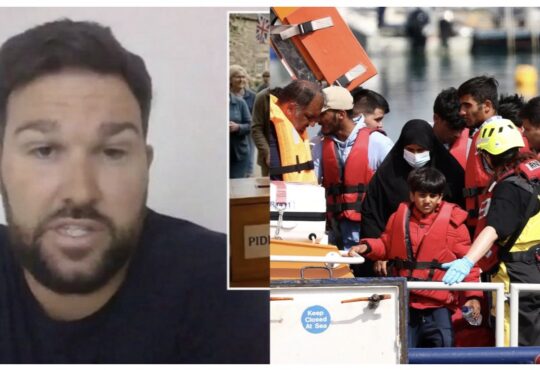
However, Rob Bates, research director at the Centre for Migration Control, strongly criticised Labour’s approach. Speaking to GB News, he accused senior Labour politicians of failing to take the possible long-term effects of migration seriously.
Bates also raised concerns about the future cost of migrants settling permanently in Britain. He referred to estimates that the financial cost could reach billions of pounds, although the exact amount remains disputed.
He argued that the effects of the period of very high migration under former Prime Minister Boris Johnson were now beginning to be felt. During that period, he said, the skills and salary requirements for some people coming to work in Britain were reduced.
According to Bates, the financial and social effects could become clearer as more migrants qualify to remain permanently and gain access to public services. He warned that this could place additional pressure on Britain’s welfare system.
The latest death has once again shown the serious dangers involved in crossing the Channel in a small boat. Even with thunderstorms, powerful winds and rough seas, people are still risking their lives in the hope of reaching the UK.