Pakistan Outlines the Strong Reasons Why It Will Not Agree to Take Grooming Gang Boss Shabir Ahmed Back

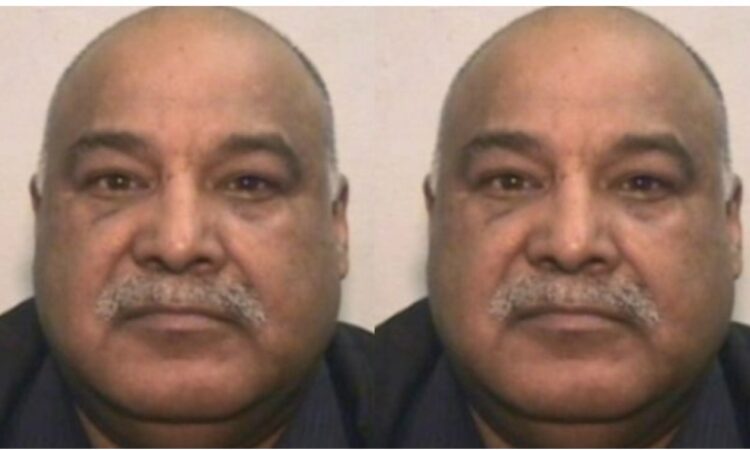
Nigel Farage has strongly criticised Pakistan after the country rejected Britain’s request to take back Shabir Ahmed, the man described as the leader of the Rochdale grooming gang.
Ahmed was released from prison on July 2, and the UK Government wants to deport him to Pakistan, where he was born. However, Pakistani officials said there is no legal agreement between the two countries that would allow them to accept his return.
Pakistan’s Deputy Prime Minister and Foreign Minister, Mohammad Ishaq Dar, reportedly told UK Energy Secretary Ed Miliband that no formal system currently exists for transferring convicted criminals in these circumstances.
Pakistani officials are understood to have said that their country has no law or official process that would allow Ahmed to be returned. Reports also suggest Pakistan may refuse to accept him unless Britain agrees to hand over Pakistani political opponents living in the UK.
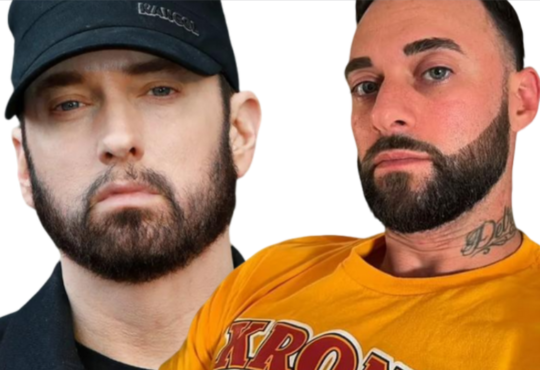
Farage, the leader of Reform UK, described Britain’s attempt to persuade Pakistan as “humiliating.” He accused the Labour Government of begging Pakistani officials instead of taking stronger action.
Writing on social media, Farage said Pakistan had told Miliband that it could not accept Ahmed. He claimed Britain was being humiliated and promised to respond firmly if he became Prime Minister.
Farage said he would stop all British foreign aid payments to Pakistan and prevent Pakistani nationals from receiving new UK visas if the country continued to refuse Ahmed’s return.
He also threatened to impose sanctions on members of the Pakistani government and freeze any assets they held if the disagreement remained unresolved. Farage said he would not allow Britain to be bullied by another country.
Ahmed, now 73, moved to Britain in the late 1960s. In 2012, he was convicted of 30 sexual offences, including the rape of children. Some of his victims were reportedly only 12 years old.
His British citizenship was later removed because of his serious crimes. However, deporting him remains difficult because of protections contained in the Immigration Act 1971.
Under the existing law, certain Commonwealth citizens who arrived in Britain before 1973 are protected from removal. Because Ahmed entered the country before that date, the Government cannot easily deport him, despite his convictions and the loss of his British citizenship.
Home Secretary Shabana Mahmood previously promised to change the law and close this legal loophole. However, the proposed change has not yet been introduced, meaning Ahmed remains in Britain for now.
Pakistan originally refused to accept him because officials said he was no longer a Pakistani citizen and had spent most of his life in the UK.
Pakistan’s foreign spokesman, Tahir Andrabi, argued that Britain was responsible for Ahmed because he had grown up and lived in the UK for many years. Pakistani officials therefore believe the UK should continue dealing with him.
After talks between British and Pakistani representatives, an official statement said the two countries had discussed their wider relationship and agreed to create a formal system for future discussions. However, the statement did not directly mention Ahmed or reveal whether any progress had been made on his possible deportation.
Government sources reportedly said Britain was considering possible action against Pakistan, including visa restrictions, sanctions and the removal of foreign aid, if the country continued to refuse to accept Ahmed.
A Foreign Office spokesman said the Government was using every lawful option available to deport Ahmed and was continuing to work with Pakistan. However, the spokesman said officials would not reveal the details of the private discussions.