
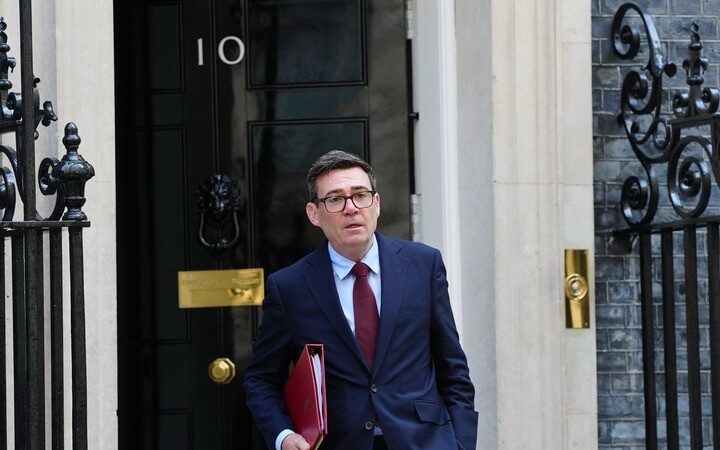
Prime Minister Andy Burnham has been warned that he may have missed his best chance to call an early General Election, as attention now turns to Chancellor John Healey’s difficult October Budget and the possibility of tax changes.
Mr Burnham became Prime Minister in July 2026 after replacing Sir Keir Starmer. His arrival in Downing Street initially gave Labour a boost in the opinion polls, with the party gaining around five to six points and moving ahead of Reform UK in some polling. Mr Burnham’s own approval ratings also improved during his first weeks in office.
However, political commentator Benedict Spence believes the Prime Minister may have failed to make the most of that early boost.
Speaking to GB News, Mr Spence argued that there was a short period after Mr Burnham entered Downing Street when calling an early General Election could have given Labour a better opportunity to protect its majority.
He said Mr Burnham appeared uncertain about whether his new government should present itself as a major change from the previous Labour leadership or as a continuation of it.
According to Mr Spence, the early rise in support for Labour gave the Prime Minister some political breathing space. But he believes that opportunity has now become much more difficult as economic problems and the upcoming Budget move to the centre of political debate.
The Government is preparing for Chancellor John Healey’s first Budget, which is scheduled for October 28. Mr Healey became Chancellor in July and is responsible for setting out the Government’s economic and tax plans.
The Budget comes at a difficult time for the Government. Inflation rose to 3.1 per cent in August, while higher energy prices and borrowing costs have added more pressure to the UK economy. Mr Burnham has said difficult decisions will be needed to keep the economy on track.
There is also growing speculation about possible tax changes in the Budget, although the Treasury has not confirmed many of the measures being discussed. Reports have suggested that changes involving wealth and other taxes are among the options being considered as the Chancellor looks for ways to raise money while following the Government’s fiscal rules.
Mr Spence argued that this makes the idea of calling an early General Election much more complicated.
He suggested that asking voters for a new mandate at a time when people are worried about higher taxes could be politically difficult. He also pointed to the already high level of taxation in Britain and argued that many households would not welcome further increases.
Mr Spence said Mr Burnham had a better opportunity shortly after becoming Prime Minister, when Labour was enjoying its early polling boost and before the Budget became such a major issue.
He believes delaying the decision means that any election held soon would take place against a much more difficult economic background.
Mr Burnham has not announced plans to call an early General Election.
Attention could instead turn to the Holborn and St Pancras by-election on October 8, which follows Sir Keir Starmer’s resignation. The contest could provide an important test of Labour’s support under its new leader.
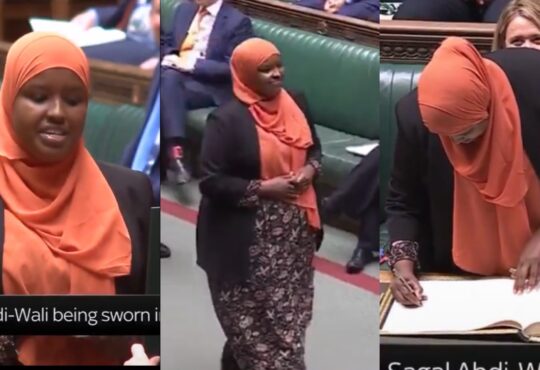
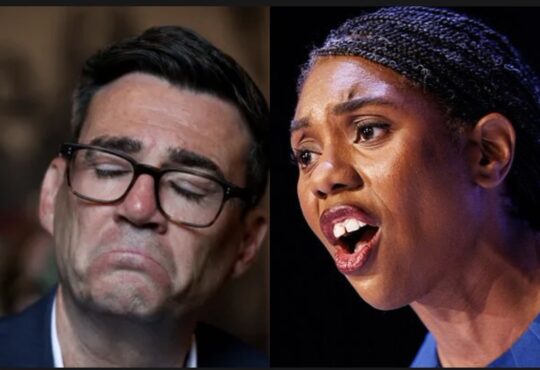
Green Party leader Zack Polanski is challenging Labour candidate Sagal Abdi-Wali for the seat, meaning Labour could face pressure from the left as well as from its political opponents elsewhere in the country.
One Labour insider suggested the contest could help the Prime Minister understand whether changing leader has reduced the threat Labour faces from the Greens.
For Mr Burnham, the coming weeks could therefore be important. His Government must prepare for a difficult Budget while also dealing with questions about taxes, the cost of living and Labour’s level of public support.
The Prime Minister has said the global economic situation is challenging and that his Government will have to make tough decisions. With the Budget approaching on October 28, the decisions made by Mr Burnham and Chancellor Healey could have a major impact on the Government’s political and economic direction.