Former Islamist Sohail Ahmed Sends a Chilling Warning About What Britain Must Do Before It Is Too Late

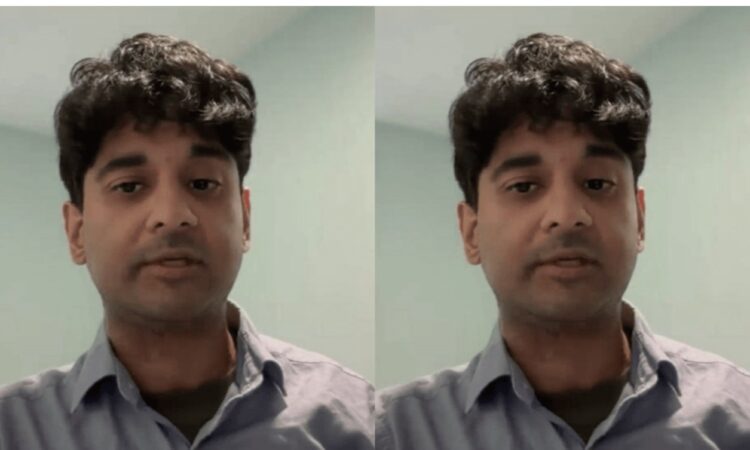
Former Islamist Sohail Ahmed has warned that Britain must change the way it deals with new and growing terror threats
The counter-extremism expert spoke to GB News after suspected Islamic State propaganda reportedly appeared on an online forum. The material was said to have encouraged supporters to use wildfires as a way of carrying out attacks.
Ahmed explained that extremist groups are changing their methods. In the past, many major attacks were carefully planned and directed by organised groups. However, extremists are now more likely to operate through smaller independent groups or individuals who become radicalised online.
He said the world is becoming more dangerous and warned that some people and extremist beliefs are determined to create fear, division and destruction. According to him, Britain must quickly adjust to this changing situation.
Ahmed said society is becoming more divided and that unity between different communities is weakening. He also raised concerns about high levels of immigration without enough effort being made to help people integrate into British society.
He added that wars taking place in different parts of the world can affect people living in the UK. Some individuals may become angry or emotionally affected by these conflicts, making them more vulnerable to extremist messages.
Ahmed said he was unhappy about the direction in which Britain was heading. He admitted that he did not feel very confident or optimistic about the future if the country continued along the same path.
When asked whether the Government could improve the situation, he said many things would need to change. This would include how Britain thinks about its culture, society, values and freedom.
He explained that security services are now dealing with a very different type of danger. In previous decades, attacks such as the July 7 London bombings were carefully organised and connected to major terrorist groups such as al-Qaeda.
However, British security agencies have become much better at finding organised groups, watching their activities and stopping their plans. Because of this, extremists are increasingly using methods that are harder to detect.
Ahmed said some people now operate in small groups that have little or no direct contact with a larger organisation. Others may spend time reading extremist material online before suddenly deciding to hurt innocent people.
He explained that extremist groups often begin by sharing propaganda on popular social media platforms such as Facebook and X. These public posts can be used to identify people who appear interested in extremist ideas.
The people considered most likely to support or join these groups may then be moved to private online platforms and closed servers. This makes their conversations and activities more difficult for the authorities to monitor.
Ahmed also warned that artificial intelligence could make the problem even more serious. He said terrorists may use AI tools to hide their online activities, cover their tracks and avoid being discovered by security services.
According to Ahmed, this changing threat means Britain cannot continue relying only on its old methods. He believes the Government, security agencies and society must recognise how quickly extremism is developing and take stronger action to protect the public while preventing further division.