22-Year-Old Somali Man Who Moved to Britain in 2020 and Worked as a Security Guard Jailed for 12 Years After Police Discovered the Real Reason He Travelled Back to Somalia Before Returning to the UK

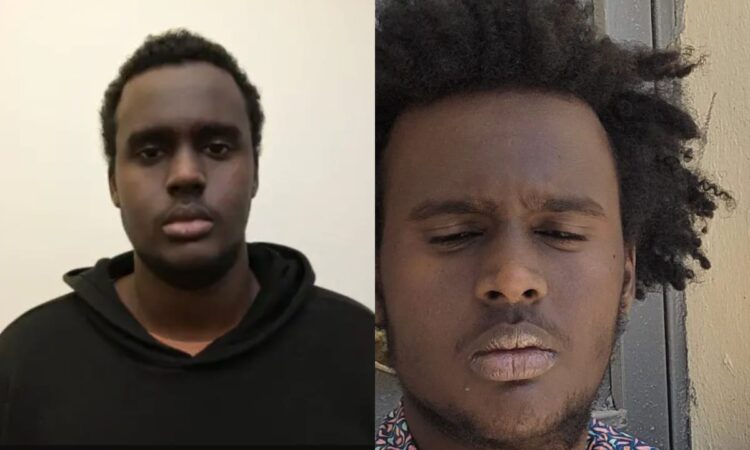
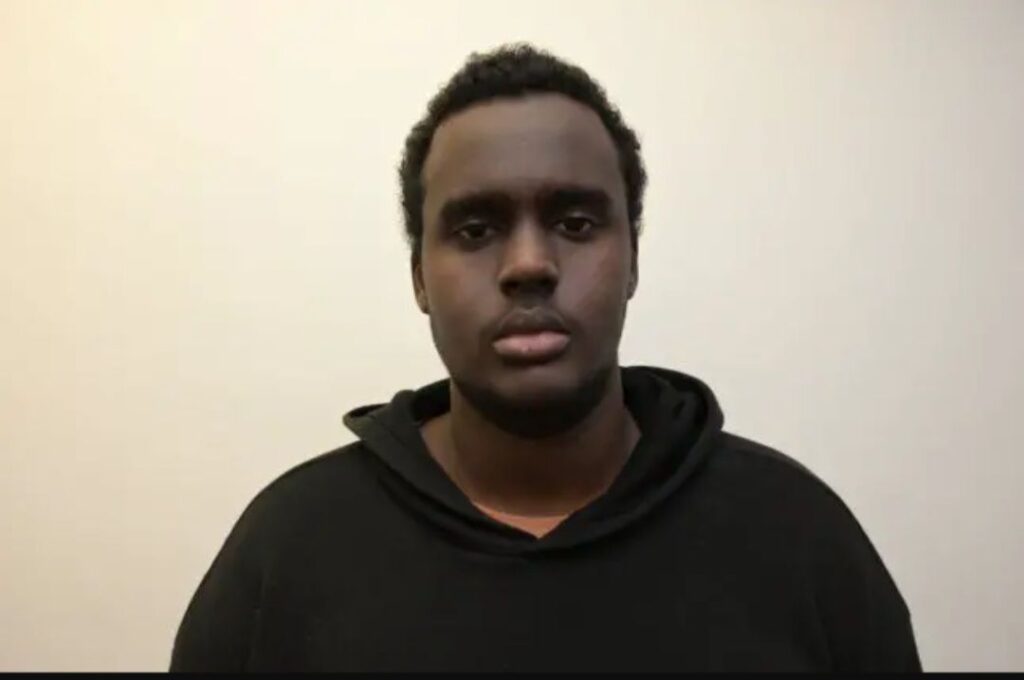
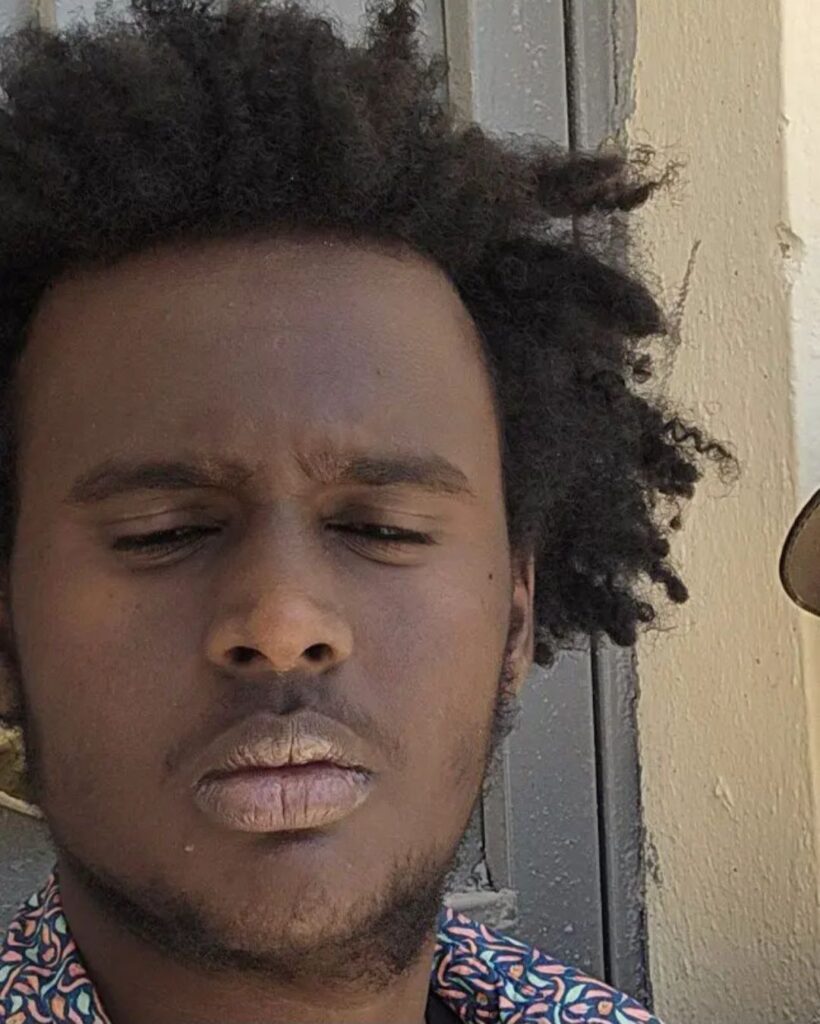
A 22-year-old security guard who travelled from Britain to Somalia hoping to join the terrorist group Islamic State (IS) has been sentenced to 12 years in prison after a court heard how he became involved with extremist recruiters through an artificial intelligence (AI) chatbot.
Mohamed Mohamoud, who lived in Bristol, had become interested in the terrorist organisation after watching extremist videos on social media platforms, including YouTube and TikTok.
The court heard that his interest gradually developed into a desire to travel abroad, join Islamic State fighters and die while fighting for the group.
What makes the case particularly concerning is the role that artificial intelligence allegedly played in his journey towards extremism.
During his trial at Winchester Crown Court, jurors were told that Mohamoud had communicated with an AI chatbot used by terrorist recruiters to identify people who might be willing to join their organisation.
According to the evidence presented in court, these conversations formed part of his efforts to become involved with Islamic State.
On January 30, 2025, Mohamoud left the United Kingdom and travelled to Somalia, the country where he was born.
He hoped to become an active member of the terrorist group and take part in fighting. However, things did not go as he had expected when he arrived.
Instead of immediately being given a fighting role, he was reportedly offered an opportunity to work as a spy.
Mohamoud rejected the offer because he wanted to be involved directly in combat rather than gathering information.
The court also heard that he was concerned about being recognised by family members living in Somalia if he accepted the spying role.
He had travelled thousands of miles with the intention of becoming what he described as a martyr, but his attempts to join the fighting were unsuccessful.
Over the following weeks, he continued trying to find a way into the organisation. However, counter-terrorism operations and the situation on the ground prevented him from achieving his goal.
His defence lawyer, Dominic Thomas, told the court that Mohamoud was not recruited because those who could have helped him join were probably occupied with fighting.
After spending just over a month in Somalia, Mohamoud returned to Britain on March 3, 2025.
Although he had failed to become a fighter, his return to the UK did not mean he had completely abandoned his interest in Islamic State.
Investigators discovered that he continued communicating with people connected to the terrorist organisation.
In one message, he reportedly told recruiters that he would be willing to return whenever they wanted him.
This suggested that his unsuccessful journey had not immediately changed his willingness to become involved with the group.
His activities eventually attracted the attention of British counter-terrorism officers.
On January 20, 2026, officers from Counter Terrorism Policing South East arrested Mohamoud at his home.
The investigation examined his travel to Somalia, his communications and the steps he had taken towards joining the terrorist organisation.
Mohamoud admitted attempting to join Islamic State in Somalia but denied the separate allegation of preparing acts of terrorism.
The case went to trial at Winchester Crown Court, where jurors heard evidence about his activities before, during and after his journey.
Following a three-week trial in August, he was found guilty of preparing acts of terrorism.
On Monday, October 19, 2026, he appeared at the Old Bailey in London for sentencing.
Mr Justice Lickley told Mohamoud that he had made serious efforts to join Islamic State and that his failure to become a member was largely due to circumstances outside his control.
The judge said he believed Mohamoud would have been used in a fighting role if the terrorist organisation had accepted him.
He explained that the evidence showed Mohamoud had actively tried to become involved in the group’s violent activities rather than simply expressing an interest in its beliefs.
The judge sentenced him to 12 years in prison, with a further four years on extended licence.
This means he will remain subject to additional supervision and conditions after his release from prison.
During the sentencing hearing, Mohamoud’s lawyer argued that there were signs his client was beginning to understand how seriously mistaken his decisions had been.
Dominic Thomas said Mohamoud had been going through a difficult period in his life and suggested that there was still hope he could change his thinking in the future.
The court also heard details about Mohamoud’s childhood and how he eventually came to live in Britain.
He was born in Somalia but moved to the United Arab Emirates with his younger brother and stepmother when he was just three years old after his parents separated.
He later spent parts of his childhood living between Somalia and the UAE.
In 2020, he moved to Bristol to live with his mother while he was a teenager.
He was subsequently living and working in Britain as a security guard before becoming involved with extremist material online.
The court was also told that Mohamoud had limited leave to remain in the United Kingdom until 2027.
His immigration status was among the personal details presented during the proceedings, although the report did not say whether any decision had been made about his right to remain in Britain following his conviction.
The case has raised wider concerns about how extremist organisations may use modern technology and social media to attract potential recruits.
Platforms such as YouTube and TikTok are widely used for entertainment, news and communication, but extremist material can also appear online and expose vulnerable individuals to dangerous ideas.
The involvement of an AI chatbot in Mohamoud’s case has added another concern because such technology can allow people to communicate through automated systems rather than directly with another person.
According to the evidence heard in court, the chatbot was being used by terrorist recruiters to identify possible new members.
The case highlights how online radicalisation can develop into real-world attempts to join violent organisations.
It also shows that travelling abroad to join a terrorist group can lead to serious criminal consequences in Britain, even when a person fails to become an active fighter.
For Mohamoud, his journey to Somalia lasted only a little over a month, but the decisions he made before and during that trip have now resulted in a lengthy prison sentence.
His conviction serves as a warning about the dangers of extremist recruitment online and the serious consequences facing anyone who attempts to support or join a terrorist organisation.