‘There are signs’: Tucker Carlson explains why Donald Trump ‘could be’ the Antichrist

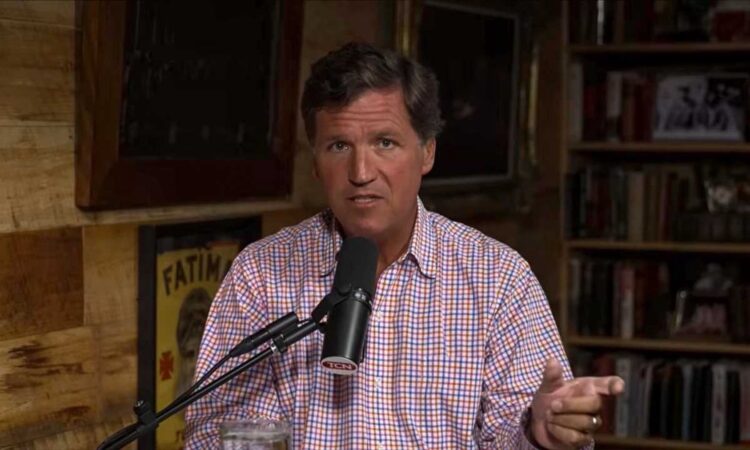
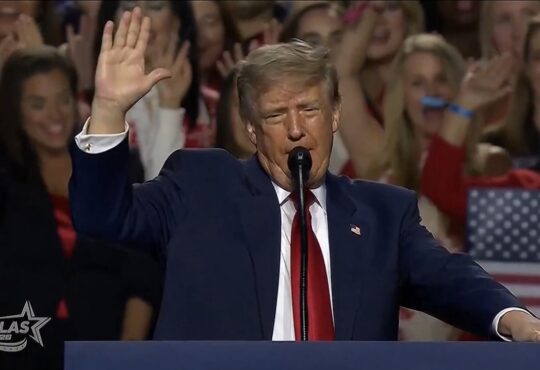
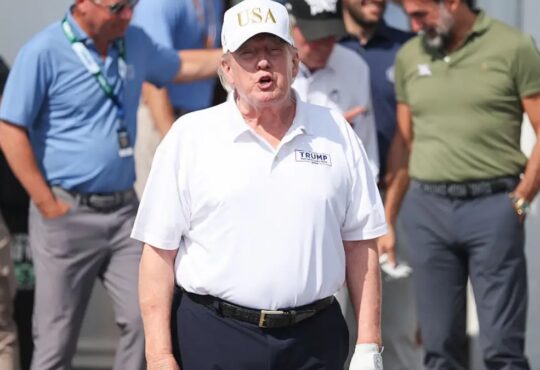
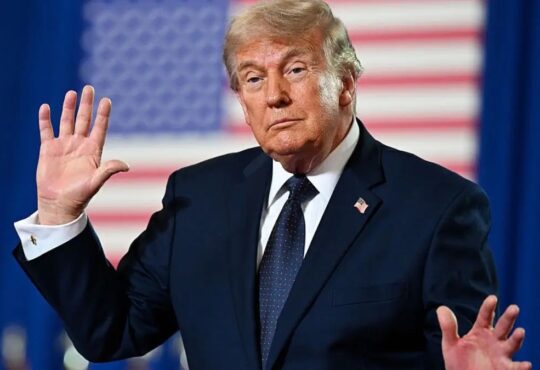
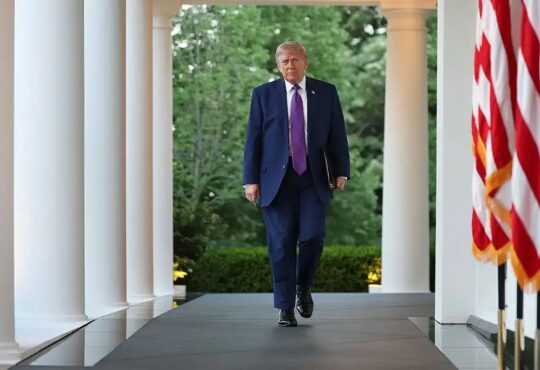
Right-wing host Tucker Carlson said he sees what he believes are warning signs that President Donald Trump could possibly be linked to the idea of the Antichrist, though he presented it as speculation rather than a firm claim.
Carlson made the comments after Trump shared an image portraying himself in a religious, Jesus-like style. Carlson argued that this kind of imagery was disrespectful and said it felt like an attempt to mock Christianity rather than honor it. He said that Christianity’s most important figure was being used in a way that invited ridicule.
He also criticized Trump’s public behavior more broadly, pointing to moments where Trump has said one thing and then later denied it, even when video evidence exists.
Carlson said this wasn’t just about ordinary lying, but about something deeper an attempt to weaken people’s trust in truth itself. In his view, this kind of behavior challenges the idea that facts are real or stable, which he described as dangerous and open defiance of truth.
To support his interpretation, Carlson brought in religious passages from the Bible. He referred to a section in the New Testament that talks about a figure sometimes called the “man of lawlessness,” often associated in Christian teachings with the Antichrist.
He explained that this figure is described as someone who will oppose God, elevate himself above all forms of worship, and even claim divine status, misleading others through deception and pride.
Carlson also quoted from the Book of Daniel, which describes a powerful ruler who acts however he wants, speaks arrogantly against God, and exalts himself above everything considered sacred. According to the passage he referenced, this ruler would remain influential until a final period of judgment.
After reading these texts, Carlson suggested that current political leadership could be seen through this lens, asking whether such events might match what religious texts warn about.
He stopped short of giving a definitive answer, but implied that the pattern raised concerns for him. He described it as a form of a leader placing himself above spiritual authority and treating religious symbols with disrespect, framing it as something viewers should consider carefully rather than dismiss.