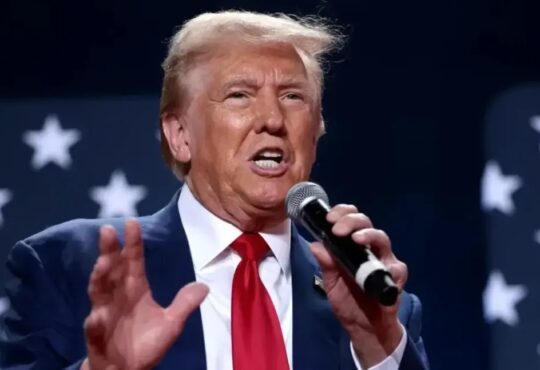

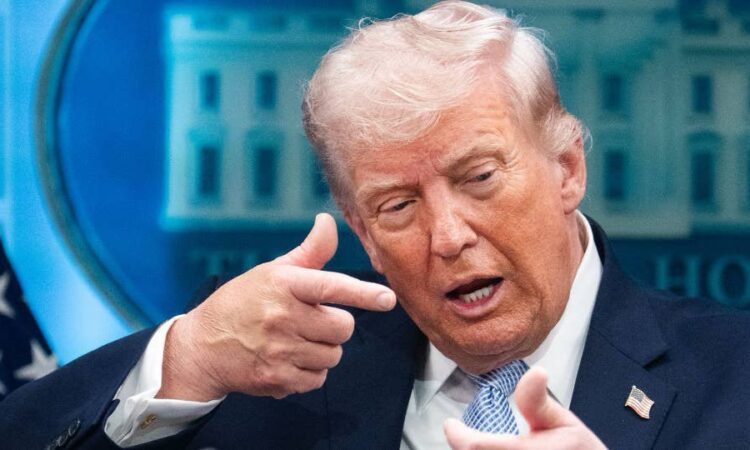
Donald Trump lost his temper during a tense sit-down on 60 Minutes, strongly pushing back after being confronted with explosive claims tied to a recent shooting incident.
The interview with Norah O’Donnell was already expected to be serious, coming just a day after chaos broke out at the White House Correspondents’ Dinner. A man identified as Cole Allen allegedly opened fire during the event, sending people into panic. Thankfully, no one was killed, and Secret Service agents quickly arrested him, but the situation left a lot of unanswered questions about motive and intent.
Those questions followed directly into the interview. O’Donnell raised a disturbing detail from the suspect’s reported manifesto — a message he had sent to his family before the attack. In it, he used extremely harsh language, accusing Trump of being a “pedophile, rapist, and traitor,” and claimed he could no longer stay silent.
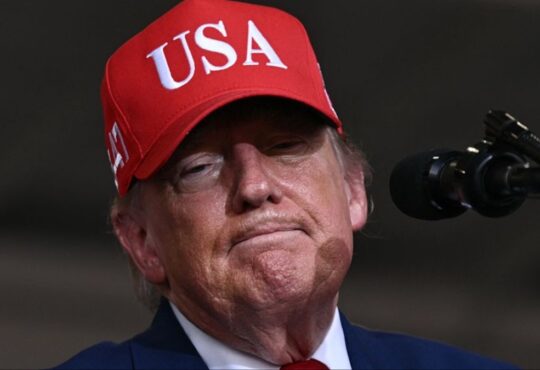
As soon as the question was asked, Trump’s reaction was immediate and emotional. He cut in forcefully, denying the accusations in clear terms and saying, “I’m not a pedophile.” His tone quickly turned angry as he criticized O’Donnell for even bringing it up, calling the question inappropriate and labeling her a “disgrace.”
The exchange shifted the entire mood of the interview. What began as a serious political discussion suddenly became a heated confrontation, with Trump visibly frustrated and defensive. He argued that repeating such claims — even in the context of reporting — was wrong and unfair, especially when tied to a violent act.
After the interview aired, clips spread rapidly online, and reactions came in from all sides. Critics pointed to Trump’s response as another example of how he handles difficult questions — often with anger and personal attacks. Some also brought up past legal cases and public controversies involving him, arguing that the issue is not new and cannot simply be dismissed.
Supporters, however, saw it differently. They argued that the question itself crossed a line, saying it gave attention to the words of a suspected attacker and unfairly repeated serious accusations on national television. To them, Trump’s reaction was justified, given the nature of what was being asked.
The moment quickly turned into a wider debate — not just about Trump, but about journalism and responsibility. Should reporters repeat what attackers say if it helps explain their motive? Or does it risk spreading harmful or unverified claims?
At the center of it all was a highly charged moment: a sitting president, under pressure, reacting in real time to one of the most serious and personal accusations possible. Whether people saw it as a necessary question or an unfair attack, the interview has become one of the most talked-about political moments in recent days, highlighting just how divided opinions remain.