Kier Starmer Under Fire in Heated Commons Clash as Badenoch Unleashes Stunning Accusation

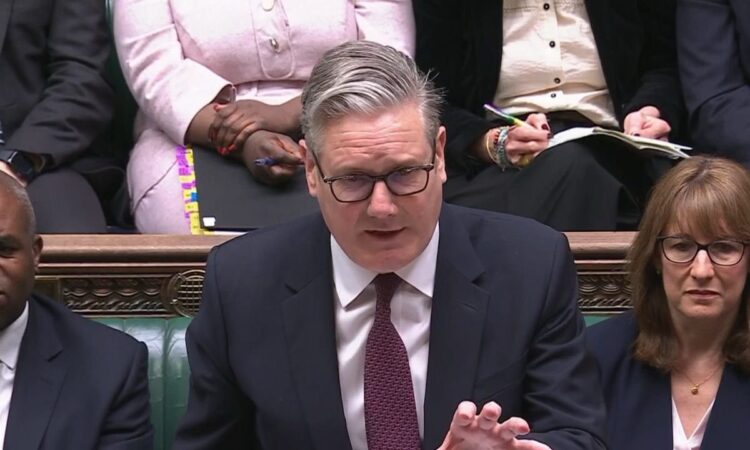
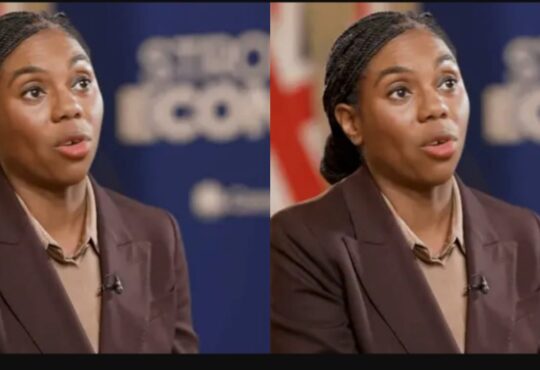
Keir Starmer faced sharp criticism from Kemi Badenoch during a tense exchange in Parliament, as she accused him of prioritising people on benefits while ordinary families struggle with rising energy costs. She argued that energy bills are now higher than when he first took office and blamed his decisions for the increase, saying both households and businesses will feel the pressure.
Badenoch suggested that the government could ease the situation by removing green taxes from energy bills, stopping planned fuel duty increases, and boosting domestic energy production by drilling more gas in the North Sea. Instead, she claimed, the Prime Minister is focusing on increasing welfare support, which she criticised as taking money from working people to give to those who are not working. She went as far as saying Labour is no longer focused on workers, but has become a party centred on welfare support.
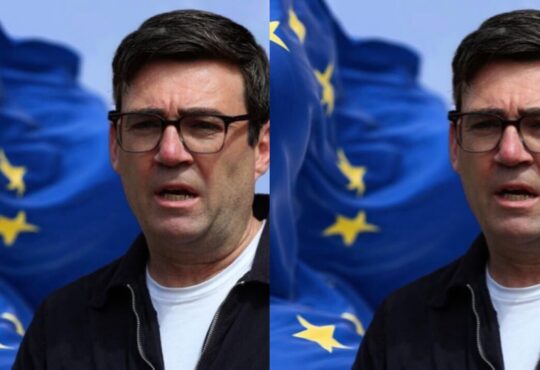
Starmer pushed back strongly, saying Badenoch repeatedly gets major decisions wrong. He argued that the recent rise in energy prices is largely due to the ongoing conflict in the Middle East, which has pushed up global oil and gas prices. According to him, this global situation—not government policy—is the main reason why costs are increasing.
He also accused Badenoch of supporting involvement in the conflict without fully considering the consequences, saying her approach would have made the situation worse. Starmer listed several issues where he believes she has taken the wrong position, including energy security and measures aimed at reducing bills, insisting that her criticism lacks credibility.
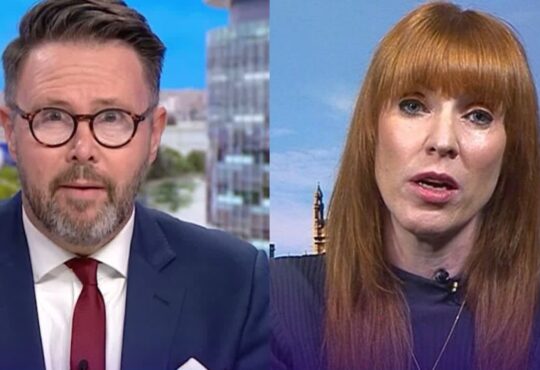
Meanwhile, Rachel Reeves confirmed that the government is working on targeted financial support for households. This is expected to be introduced when the current energy price cap ends in June, especially if global prices continue to rise and put further pressure on domestic bills.
Badenoch also urged the government to approve new licences for oil and gas drilling in the North Sea, including major projects like Rosebank and Jackdaw, arguing that increasing local energy production could help bring costs down. Starmer responded by saying those decisions are the responsibility of the Energy Secretary, not directly his own.