Fury as police operation for 149 Illegal migrants arriving in UK ‘costs £200,000 Because Of this Shocking Reasons

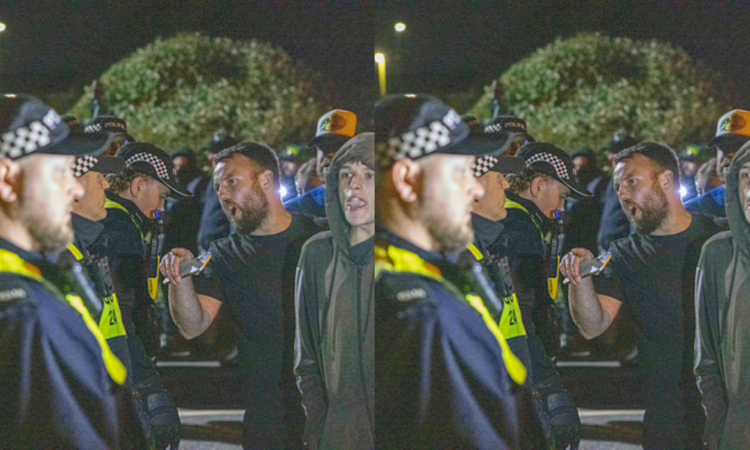
A protest against the arrival of migrants by small boat in Hampshire has left taxpayers facing a huge police bill of more than £200,000, according to the area’s Police and Crime Commissioner. The protest, which took place in Gosport over the weekend, also resulted in 12 people being arrested as police struggled to manage the large crowd that gathered near the coast.
The incident has caused fresh anger among local politicians and residents, with questions being raised about why so much public money had to be spent on policing the arrival of migrants.
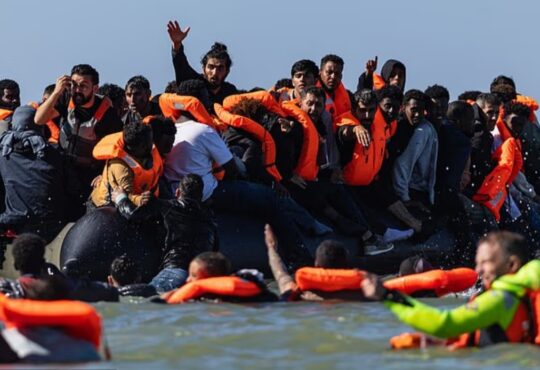
The trouble began after a boat carrying 149 migrants was brought ashore in Hampshire by coastguard officers, lifeboat crews and border security officials. News of their arrival attracted hundreds of protesters who gathered in the area to express their opposition to the continued arrival of migrants crossing the English Channel.
According to Hampshire and Isle of Wight Constabulary, around 350 people were present in the area before eventually leaving Haslar Road at approximately 2am on Monday.
Police had introduced special restrictions under the Public Order Act to control the demonstration and prevent serious disorder. Officers also used powers to stop people from covering their faces during the protest.
Despite these measures, the situation resulted in several arrests.
Police confirmed that 12 people were arrested during the incident. Those detained included 11 men aged between 22 and 59 and a 57-year-old woman.
A 38-year-old man was subsequently charged with failing to follow restrictions imposed by police during the demonstration.
The scale of the police response has now become a major concern, particularly because of the amount of money involved.
Hampshire and Isle of Wight Police and Crime Commissioner Donna Jones revealed that officers had to be brought in from several other police forces to help manage the situation.
Speaking about the operation, she explained that 11 police support units were deployed from six different police forces.
According to Ms Jones, the cost of policing the protest on Sunday alone exceeded £200,000.
She warned that the financial burden could become even greater if similar protests continue to take place across Hampshire.
The commissioner expressed concern that repeated demonstrations could eventually push policing costs close to £1 million every month.
Such an amount would place additional pressure on public resources at a time when police forces are already dealing with other responsibilities, including crime prevention, emergency incidents and protecting local communities.
Ms Jones also called on Home Secretary Shabana Mahmood to take responsibility for the financial impact of the situation.
She argued that Hampshire should receive compensation for the money spent dealing with protests connected to migrant arrivals.
The commissioner also suggested that the Government should change how migrants rescued or intercepted in the English Channel are brought ashore.
Instead of bringing them to different locations along the southern English coastline, including Hampshire, she said UK Border Force should arrange for migrants to be taken directly to Dover.
She believes this could help prevent similar incidents in towns that are not normally used as major arrival points for migrants crossing the Channel.
However, any changes to where migrants are brought ashore would also need to consider safety, rescue operations and the availability of suitable facilities.
The controversy has also attracted strong criticism from Reform UK politicians in the area.
Councillor Paul Carter, who leads Reform UK’s group in Gosport, questioned why the policing operation had become so expensive.
He said Sunday’s response had cost taxpayers more than £200,000 and suggested that a further £250,000 had been spent policing incidents in Gosport and Eastney during the previous month.
The councillor also criticised the use of police dispersal powers, arguing that the restrictions placed on local people were excessive.
He raised concerns about the impact on residents who wanted to return to their homes and businesses that depended on customers being able to move freely around the area.
According to Mr Carter, Gosport is a town with more than 80,000 residents, and people deserve an explanation for the restrictions introduced during the police operation.
He argued that local people should not have to face major disruption because of the Government’s arrangements for bringing migrants ashore.
The councillor warned that the town could not afford another incident of the same scale.
His comments have added to the growing debate over how the authorities should balance public safety, the right to peaceful protest and the need to manage migrant arrivals.
Meanwhile, Councillor George Madgwick, the Reform UK leader in Hampshire, also criticised the amount of money spent on the police response.
Writing on social media platform X, he said the Police and Crime Commissioner had confirmed that the operation in Gosport and Portsmouth Harbour cost taxpayers more than £200,000.
He pointed out that the figure did not include several other expenses connected to the arrival of the migrants.
These could include ambulance services, local council cleaning operations, coastguard activities, coaches and other transport arrangements.
Mr Madgwick argued that the overall cost to the public could therefore be considerably higher than the amount spent on policing alone.
He also expressed frustration that the money had been spent in connection with the arrival of 149 migrants, questioning the additional cost of providing accommodation and meals after they had been brought ashore.
His comments reflect wider concerns among some local politicians about the financial impact of Channel crossings and the pressure they believe these arrivals place on public services.
The incident has once again brought attention to the challenges facing coastal communities when large numbers of migrants arrive unexpectedly.
For residents, the immediate concern has been the disruption caused by the demonstration, the presence of large numbers of police officers and restrictions on movement around parts of the town.
For the police, the priority was maintaining public order, protecting those involved and making sure emergency services could carry out their duties safely.
Although people have the right to express their views through peaceful demonstrations, officers can introduce restrictions when they believe there is a risk of serious disorder or disruption.
The arrival of migrants by small boat remains one of the most debated immigration issues in Britain.
Some residents and politicians believe the Government should introduce stronger measures to prevent dangerous Channel crossings and reduce the costs associated with managing arrivals.
Others argue that the authorities must continue to protect lives at sea, provide safe treatment to those rescued and ensure that asylum applications are handled according to the law.
The latest events in Gosport show how quickly tensions surrounding immigration can develop into a major policing operation.
What began as a protest against the arrival of a single boat carrying 149 people ended with 12 arrests, police officers being brought in from six forces and a reported bill of more than £200,000.
There are now questions about whether future arrivals could lead to similar protests and whether the Government will provide additional funding to cover the cost of maintaining public order.
The concerns are particularly serious because the Police and Crime Commissioner has warned that repeated incidents could result in policing costs approaching £1 million a month.
For local residents, business owners and taxpayers, the debate is no longer only about immigration policy. It is also about how public money is being spent, how communities are affected and whether the authorities can prevent similar disruption in the future.
Hampshire and Isle of Wight Constabulary was contacted by the Express for further comment.
As the argument continues, local politicians are calling for answers about the cost of the operation and what steps will be taken to prevent another expensive confrontation.
The situation has left Gosport at the centre of a wider national debate about small boat crossings, public protests and the growing financial pressure associated with managing Britain’s immigration system.