Donald Trump just ‘changed forever’ who can become president after him: ‘Won’t be an option’

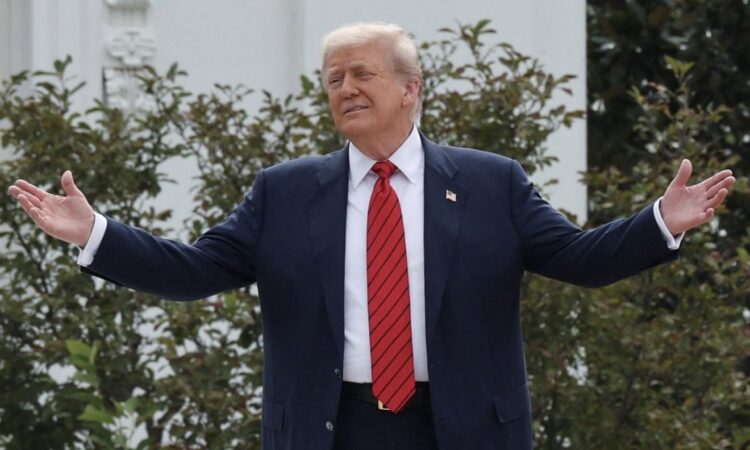
A political analyst has argued that the actions Donald Trump has taken during his second term as president may leave deep and lasting effects that cannot simply be reversed by the next leader. The claim is not just about policy disagreements. It is about permanent changes to how America governs itself and how it deals with the rest of the world.
During his second time in the Oval Office, Trump has pushed hard to show American strength and dominance. He has taken bold positions on foreign policy, including strong moves involving places like Venezuela and Greenland, and military strikes on Iran. He has also taken an aggressive approach to trade, including clashes and failed agreements with NATO allies. Supporters say this shows strength and puts America first. Critics say it creates instability and weakens long-standing partnerships.
The analyst says this direction was exactly what Joe Biden and later Kamala Harris warned about during the 2024 election campaign. They argued that Trump’s leadership style would weaken democratic traditions and damage America’s global relationships. Biden promised to repair what he described as broken political norms, make government function properly again, and protect the peaceful transfer of power. However, according to the columnist, Biden’s own presidency struggled to fully deliver on those promises. His administration faced political gridlock, slow progress, and internal challenges. Because of that, the chance to fully reset the country’s path may have slipped away.
The deeper concern is that the damage, if it is damage, may not be temporary. Even if a new president takes office with completely different ideas, the situation may have changed too much to go back to how things once were. In earlier times, leaders could restore old agreements, calm tensions, and rebuild trust fairly quickly. Now, that may no longer be possible.
For example, in the past, leaders like Barack Obama tried to improve relations with countries such as Iran and Cuba through diplomacy. The idea was to lower tensions and create long-term cooperation. But if relationships have already broken down deeply, and if those governments are facing instability themselves, then future presidents may not have the same opportunity to reopen those doors. The global environment has shifted.
The analyst also argues that America’s image as a steady and reliable trade partner has been permanently affected. Trade deals depend heavily on trust. If other countries feel that agreements can change quickly with a new administration, they may hesitate to fully commit. Even if a future president wants to rebuild trade partnerships similar to those during George W. Bush’s era, other nations may not believe those promises will last.
The same concern applies to NATO. NATO has long depended on strong American leadership and commitment. If that commitment has been questioned or weakened, it may be difficult to fully restore confidence. Words alone may not be enough. Other countries may adjust their own defense and foreign policies based on the idea that the United States could shift direction again in the future.
The columnist’s overall message is that America may be moving into a completely new political era. The old model of simply returning to “how things used to be” may not work anymore. The country’s political culture has changed. International relationships have changed. The level of trust, both at home and abroad, may have shifted in ways that cannot easily be undone.
This does not necessarily mean that everything is permanently broken. But it does suggest that the next president, whoever that may be, will face a very different landscape. They may not have the option to copy past strategies or rebuild past systems exactly as they were. Instead, they may need to create something entirely new.
The larger warning is that leadership decisions made today do not just affect the present. They shape the foundation for the future. And once certain lines are crossed, once certain alliances are strained, and once certain political norms are weakened, rebuilding them can take many years — sometimes even generations.