

Once you retire, the money you receive from senior benefits becomes one of the most important parts of your everyday life. For many people, it is not just extra support, it is the main source of income used to pay rent, buy food, cover bills, and handle daily expenses.
With over 75 million people receiving Social Security, SSI, or both, it shows just how many rely on these payments to stay financially stable. Because of this, knowing exactly when your money is coming in is very important. Even a small delay or change in payment timing can affect how you plan your spending for the month.
In most cases, payments are sent out on a fixed and predictable schedule. However, certain situations like weekends or public holidays can affect when the money actually arrives in your account.
This has been noticeable recently, especially for people receiving SSI, where payments were sent earlier than usual for a couple of months. While getting paid early might seem like a good thing at first, it can actually make budgeting harder because the gap between payments becomes longer than expected.
Now, things are going back to normal. April is the first month in a while where both Social Security and SSI payments are arriving on their regular dates again. If you have gotten used to receiving your money early, this change might feel a bit strange or even confusing at first. It’s important to adjust your expectations so you don’t think your payment is late when it’s actually just back to the normal schedule.
The way the system works is simple but strict. Payments are tied to certain dates, not specific days of the week. So if your payment date falls on a weekend or a holiday, the system sends your money earlier, usually on the closest working day before that date. This is done to make sure you still get your money on time without delays caused by closed offices or banks.
For people receiving SSI, payments are usually made on the first day of each month. But recently, the first day fell on a Sunday, which meant payments had to be sent earlier. That is why some people received their February payment at the end of January, and their March payment at the end of February. This may have made it feel like you were getting paid twice in one month, but in reality, it was just a shift in timing.
In April 2026, the first day of the month falls on a Wednesday, so there is no need for any adjustment. Payments will be sent exactly on April 1 as expected. This makes April one of the few months this year where SSI payments happen exactly on time, without being pushed forward.
For other Social Security payments, the schedule also returns to normal since there are no federal holidays in April. If you receive both SSI and Social Security, or if you started receiving Social Security before May 1997, your payment will come early in the month, on April 3. For everyone else, your payment date depends on your birthday.
If your birthday falls between the 1st and the 10th of the month, you will receive your payment on April 8. If your birthday is between the 11th and the 20th, your payment will come on April 15. And if your birthday is between the 21st and the end of the month, your payment will arrive on April 22. This system helps spread out payments and keeps everything organized.
Sometimes, even when everything is scheduled correctly, your payment might not show up in your account on the expected day. If that happens, the first thing you should do is stay calm and double-check the payment date. It’s possible you may have mixed up the schedule or forgotten about a timing adjustment.
After that, check with your bank. In many cases, the payment has already been sent, but the bank is still processing it. This can take a little extra time depending on the bank’s system. Also, while there may not be any national holidays, local holidays in your area could still affect processing times.
Another important thing to check is your banking information. If you recently changed your bank account or updated your details, make sure everything is correct in your Social Security account. Even a small mistake can delay your payment. You should also make sure your personal details, like your address and phone number, are accurate. If something doesn’t match, the system might pause your payment for security reasons.
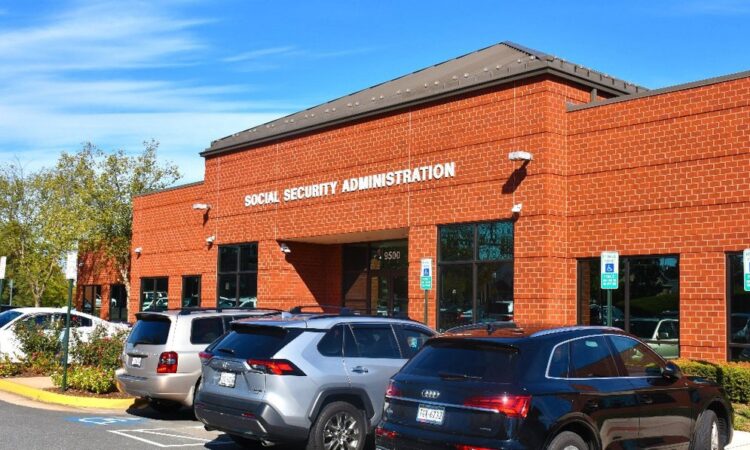
If you have checked everything and still haven’t received your money after three working days, then it’s time to contact the Social Security Administration directly. They can look into your case and help you understand what’s going on.
As of early 2026, the average monthly Social Security payment for retired workers is just over $2,000. While this amount helps, many people still find it challenging to cover all their expenses, especially with rising costs of living.
To make your money last longer, it’s important to be mindful of your spending. Simple changes can make a big difference over time. For example, keeping an eye on energy usage, adjusting your heating, and reducing unnecessary driving can help lower your bills. Making use of free services in your community, like libraries or public transport, can also save money.
When it comes to shopping, comparing prices between different stores instead of always choosing the closest one can help you cut down on grocery costs. Small savings like these can add up and give you more breathing space in your budget.
If changes in payment timing are making things difficult, it might be worth thinking about adding a small extra source of income. A part-time job or side activity can help support your finances and reduce stress. This way, even if payment dates shift again in the future, you’ll have a financial cushion to rely on while still enjoying your retirement with more peace of mind.