6 Major Things the UK Could Be Forced to Sacrifice Under Prime Minister Andy Burnham’s New EU Deal as Fears Grow

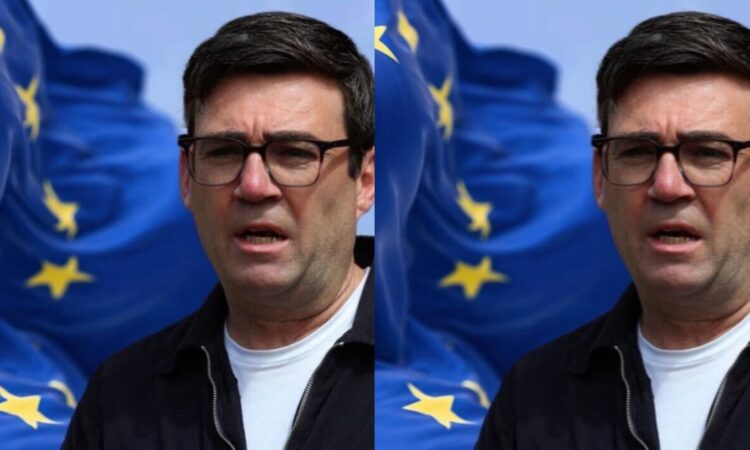
There are growing concerns that Prime Minister Andy Burnham could agree to give up some of Britain’s Brexit freedoms as he prepares for important talks with European Union leaders.
Brexit supporters fear that the government may accept new conditions from Brussels in exchange for closer trade and political relations. Although no final agreement has been announced, six possible changes are raising concerns.
1. British Taxpayers Could Be Asked to Pay More Money to the EU
One major concern is that Britain could be asked to contribute money towards European Union projects and programmes.
Before Brexit, the UK paid billions of pounds into the EU budget every year. After leaving the bloc, Britain stopped making its normal membership contributions, although it still has certain financial commitments and pays to participate in some European programmes.
Critics worry that a new agreement could require the British government to provide additional funding.
They argue that money contributed to European programmes could instead be spent on public services such as the NHS, schools, housing and transport.
However, supporters of closer cooperation believe some financial contributions could be worthwhile if British businesses, researchers and universities receive benefits in return.
2. British Farmers Could Face More Competition From European Countries
Another concern is that British farmers could be required to follow more EU farming and food safety regulations.
The European Union wants closer cooperation on food standards to make it easier for agricultural products to move between Britain and European countries.
While this could reduce paperwork and delays for businesses exporting food, some farmers fear that following additional rules could increase their costs.
British farmers are already facing challenges, including rising production costs, expensive equipment, higher energy bills and changes to inheritance tax rules.
Some worry that cheaper agricultural products from European countries could make it harder for British farmers to compete.
However, other farming businesses could benefit if a new agreement makes it easier to sell British meat, dairy products and other food across Europe.
3. Britain Could Face Questions About Keeping the Pound
Some Brexit supporters have raised concerns about whether closer relations with the European Union could eventually lead to pressure on Britain to adopt the euro.
Britain kept the pound throughout its membership of the EU and never joined the eurozone.
The pound remains an important symbol of Britain’s financial independence, and many people would strongly oppose replacing it with the euro.
However, adopting the euro is not part of the current proposals for closer cooperation, and there is no evidence that Brussels is demanding such a change.
It is considered extremely unlikely that Britain would be required to abandon the pound as part of a new trade or cooperation agreement.
4. Britain Could Agree to New Immigration Rules for Young Europeans
Immigration is expected to be one of the most sensitive issues in the discussions.
The European Union has proposed a youth mobility scheme that would allow people aged between 18 and 30 from Britain and EU countries to spend a limited period living, studying or working in each other’s countries.
Supporters say this could give young British people more opportunities to work abroad, experience different cultures and develop useful skills.
However, some Brexit campaigners fear that the arrangement could weaken Britain’s control over immigration.
They worry that allowing young Europeans to enter Britain under a special scheme could eventually lead to wider freedom of movement.
Government ministers have argued that any such agreement would be limited and would not restore the unrestricted movement that existed before Brexit.
5. EU Students Could Be Allowed to Pay Lower University Fees in Britain
Another possible change concerns university tuition fees.
At present, many students coming from European Union countries must pay international tuition fees to study at British universities.
These fees are often considerably higher than those paid by students who qualify for home-fee status.
Brussels wants more favourable arrangements for European students as part of a closer relationship with Britain.
If the government agrees, some EU students could pay lower fees, making British universities more affordable for them.
However, critics fear that this could reduce university income or create pressure for additional public funding.
Supporters believe it could encourage more educational exchanges and improve cooperation between British and European universities.
6. Britain Could Have to Follow More EU Rules and Regulations
One of the biggest concerns among Brexit supporters is that Britain could gradually lose some of its freedom to make decisions independently.
Since leaving the European Union, the UK has been able to set many of its own rules in areas such as trade, immigration and product standards.
However, closer cooperation could involve Britain agreeing to follow certain European regulations, particularly in industries where both sides want to make trading easier.
Supporters argue that having similar rules could reduce costs for businesses and make it easier for British companies to sell products in European markets.
Critics believe this could leave Britain following rules influenced by Brussels without having the same voting rights it enjoyed when it was an EU member.
They fear that the government could slowly reverse some of the changes introduced after Brexit without formally rejoining the European Union.
As the planned talks approach, Brexit supporters are demanding assurances that Britain will not give up important powers simply to secure a closer relationship with Brussels.
The government faces the challenge of improving trade and cooperation with European countries while addressing concerns about immigration, public spending and national independence.
For now, these six issues remain possible areas of negotiation or political concern, rather than six confirmed demands that Britain has agreed to accept. The final outcome will depend on what the British government and EU leaders negotiate.