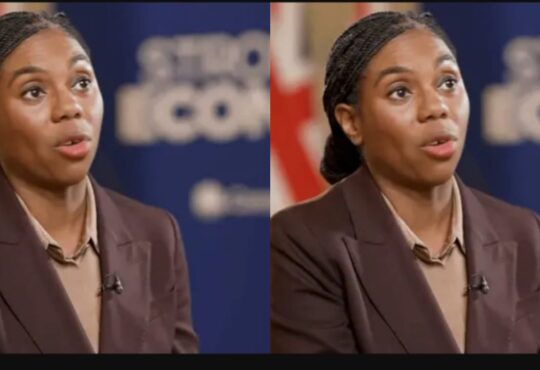
Angela Rayner Left in Awkward Moment on Live BBC Breakfast as Presenter Jon Kay Asks Her a Simple Question She Repeatedly Refuses to Answer

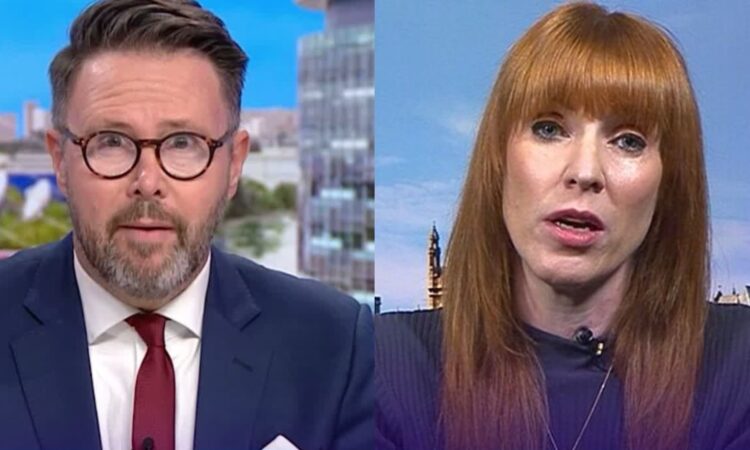
Angela Rayner faced some difficult questions during an appearance on BBC Breakfast after presenter Jon Kay challenged her over the Labour government’s plans for the upcoming Autumn Budget.
The Housing Secretary was asked whether the government’s reported decision not to increase Capital Gains Tax would benefit wealthy people. However, rather than giving a direct answer, Rayner repeatedly said she would not discuss what might be announced in the Budget.
The exchange came as Chancellor John Healey was reportedly preparing to reject calls from some Labour MPs to increase Capital Gains Tax, despite growing pressure on the government to make wealthy people pay more.
Capital Gains Tax is paid when someone makes a profit from selling certain valuable assets, including shares and properties that are not their main home.
Some Labour politicians, including Wes Streeting and Louise Haigh, had previously supported increasing the tax before Andy Burnham became Prime Minister in July.
However, reports suggest the Chancellor is concerned that increasing the tax could have unexpected consequences. There are fears that some wealthy people might decide to leave Britain or delay selling their assets to avoid paying higher taxes. This could mean the government ends up collecting less money than expected.
During the interview, Jon Kay raised the issue directly with Rayner.
He explained that there had been discussions within the Cabinet about increasing Capital Gains Tax on profits from shares and second homes.
He then pointed out that Treasury sources had suggested the increase would not happen.
Kay asked whether this would amount to a victory for wealthy people.
Instead of answering the question directly, Rayner said she would not reveal or discuss the contents of the Budget before the Chancellor’s announcement.
“I’m not going to speculate on what’s in the budget and you won’t have long to wait now because the budget is coming very soon,” she replied.
She then moved the conversation towards what the Labour government had already done to help ordinary families struggling with living costs.
Rayner said the government was working to reduce energy bills and give households some financial relief.
She also mentioned the decision to cap bus fares, investment in new homes and efforts to tackle homelessness.
According to Rayner, the government had recently announced £10 billion in investment to support housebuilding and improve the country’s housing situation.
She argued that Britain needed more homes, better infrastructure and a stronger economy to improve people’s lives.
Rayner also defended the government’s handling of the economy, saying Britain was in a reasonably good position despite challenges affecting countries around the world.
However, Jon Kay was not satisfied with her response and returned to his original question.
He reminded Rayner that Treasury sources had told the BBC there would be no increase in Capital Gains Tax in the upcoming Budget.
He also pointed out that some Labour politicians wanted the government to tax wealth more heavily, arguing that people who make money from investments should contribute more.
Kay then asked Rayner whether she personally would have liked to see Capital Gains Tax increased.
Once again, she avoided giving a clear answer.
“Well again, I’m not speculating on the budget,” she said.
Kay immediately challenged her response, saying, “I’m not asking you to.”
Despite the presenter’s attempt to get her personal opinion, Rayner continued to insist that she would not discuss the Budget.
“I’m not going to speculate on the budget,” she repeated, adding that she would not move away from the Chancellor’s position.
The repeated answers created an awkward moment during the live interview, as Kay struggled to get a direct response to what he had presented as a straightforward question.
Rayner then turned the discussion back to the government’s wider economic plans.
She highlighted measures such as freezing fuel duty, keeping bus fares affordable and supporting businesses on Britain’s high streets.
She said these policies were part of Labour’s efforts to help families manage their daily expenses while improving the economy.
The exchange highlighted the difficult questions facing the government ahead of the Autumn Budget, particularly over whether wealthy people should pay more tax to help fund public services.
For now, Rayner has refused to say whether she personally supports increasing Capital Gains Tax, insisting that the public must wait for the Chancellor’s official announcement.
The interview also showed how ministers are facing pressure to explain their tax decisions at a time when many households are still struggling with the cost of living.