
Asylum Seeker Who Moved to the UK for a Better Life Reveals What Has Left Him Disappointed

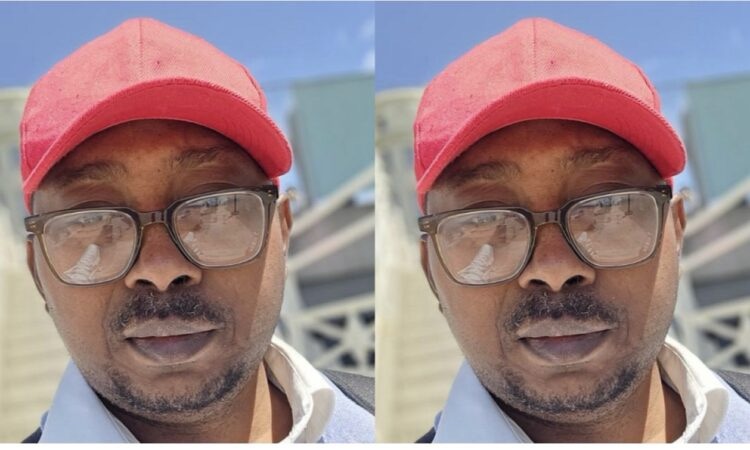
Bahawudeen Yahaya, a 46-year-old asylum seeker living in Glasgow, has criticised the UK Government over its latest changes to the asylum system. He believes the new rules are unfair and could make life even more difficult for people who have come to Britain looking for safety and protection.
Yahaya said the Government’s approach is making asylum seekers feel as though they are not valued as human beings. According to him, the changes are not only about controlling immigration but are also creating a negative impression of asylum seekers among the British public.
He explained that many people who seek asylum in the UK have already experienced serious difficulties before arriving in the country. Some have escaped wars, violence, political persecution and threats to their lives. Others have been forced to leave their families, homes and everything they worked for because they no longer felt safe in their own countries.
However, after reaching Britain, many asylum seekers face another difficult situation as they wait for the Home Office to decide whether they can remain in the country. Some wait for months, while others spend years without knowing what their future will look like.
Yahaya believes that instead of making their lives more difficult, the Government should show greater understanding towards people who have already suffered.
He described the Government’s treatment of asylum seekers as “dehumanising”, arguing that the new approach makes people seeking protection feel as though they are a burden on British society.
He also criticised the way asylum seekers are discussed in public debates about immigration. According to him, some of the language being used creates an unfair picture of people who have travelled to Britain in search of safety.
Yahaya believes this negative image could encourage members of the public to blame asylum seekers for problems affecting the country, even when those individuals have no connection to those problems.
He warned that such attitudes could make it harder for asylum seekers to feel welcome in their communities and begin rebuilding their lives.
The 46-year-old also suggested that the Government’s policies appear to be designed to make asylum seekers feel bad about themselves.
He explained that leaving one’s home country is already a painful experience, especially for people who have been separated from their loved ones or forced to abandon everything they owned.
In his view, introducing tougher immigration rules could increase the fear, stress and uncertainty that many asylum seekers are already experiencing.
His comments come after the Labour Government announced major plans to change how the UK’s asylum system operates.
One of the proposed changes could mean that some asylum seekers who are eventually given permission to remain in Britain would have to repay money spent on their accommodation and financial support while their asylum applications were being considered.
This means that people who received government-funded housing and financial assistance while waiting for a decision could later be asked to contribute towards those costs after being granted protection.
The Government says the proposed changes are intended to reduce the amount of public money being spent on the asylum system and prevent people from taking advantage of immigration rules.
Ministers also believe the reforms could help restore public confidence in the immigration system and ensure that support is provided fairly.
The Labour Government maintains that Britain will continue to offer protection to people who genuinely need asylum, while introducing measures to make the system more affordable and manageable.
However, the proposals have attracted criticism from refugee charities, campaigners and organisations that support people seeking asylum.
Critics argue that many asylum seekers are not allowed to work while their applications are being processed. As a result, they often have no reliable way of earning money to pay for accommodation, food and other basic needs.
They say that because asylum seekers have limited opportunities to support themselves financially, many are left with no choice but to depend on government assistance.
These organisations believe it would be unfair to later demand repayment from people who had little or no opportunity to earn their own income during the asylum process.
They also warn that asking refugees to repay accommodation and support costs could make it harder for them to become financially independent after receiving permission to remain in the UK.
For someone who has just been granted protection and is trying to find employment, secure permanent accommodation and build a stable future, having to repay money could create additional financial pressure.
Yahaya shares concerns about how tougher asylum policies could affect vulnerable people.
He believes that asylum seekers should be treated with dignity and respect, regardless of their nationality, background or the circumstances that brought them to Britain.
He has called on the Government to reconsider its approach and introduce policies that protect people who genuinely need help without making them feel unwanted.
According to Yahaya, people who have escaped dangerous situations should not be made to feel as though they are being punished simply because they came to the UK looking for safety.
He hopes the Government will listen to the concerns being raised and find a way to manage immigration while also showing compassion towards those seeking protection.
For Yahaya, the main issue is not simply whether Britain should have immigration rules, but how those rules affect the lives of people who are already facing difficult circumstances.
He believes the country can maintain a controlled asylum system without making people seeking refuge feel ashamed or less deserving of respect.