76-Year-Old British Pensioner Who Wore Burqa to Anti-Migrant Protest Appears in Court Wearing Same Outfit, Reveals Surprising Reason Why He Wants to Convert to Islam

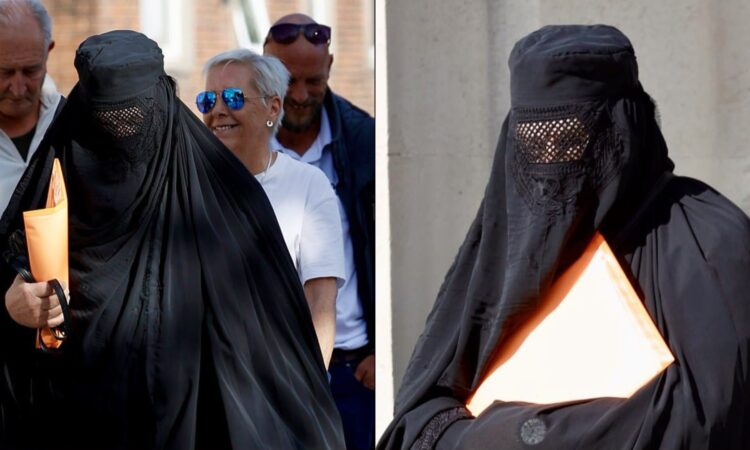
A 76-year-old British pensioner appeared in court wearing a full Islamic face covering after being arrested during an anti-migrant protest in Portsmouth. The elderly man denied breaking the law and insisted that police had no legal reason to arrest him.
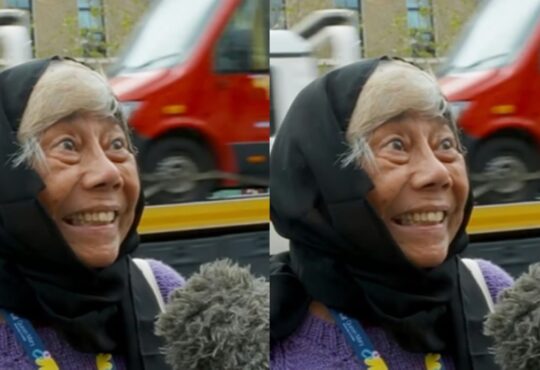
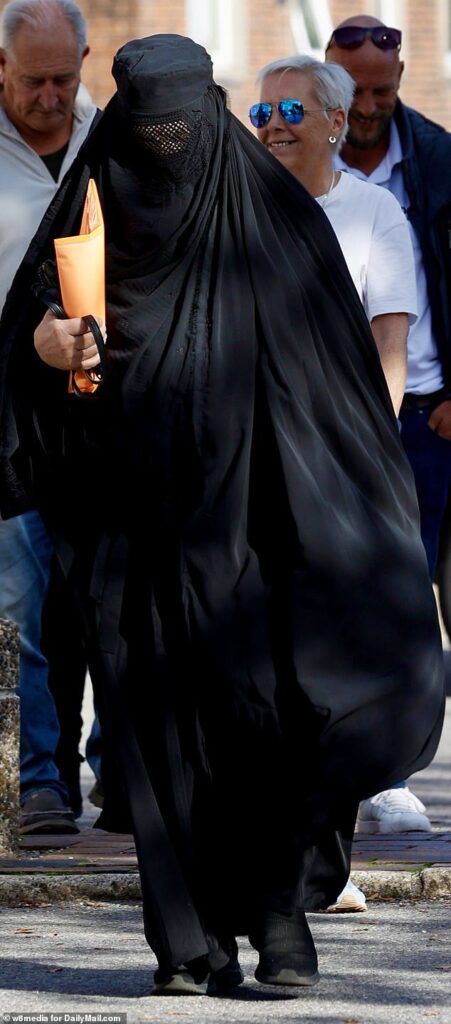
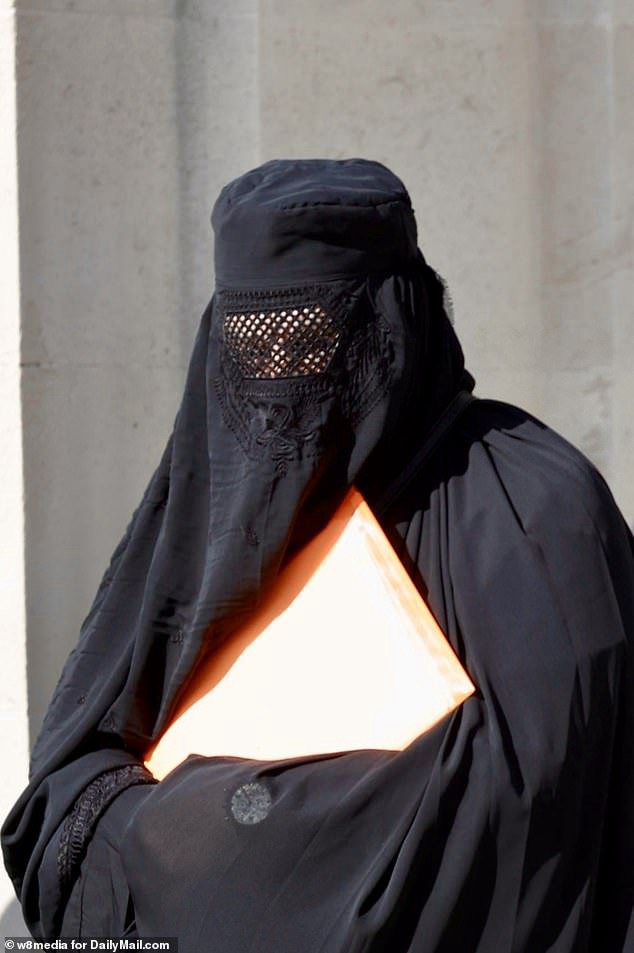
Timothy Miller, from Hedge End in Hampshire, attracted attention when he arrived at Portsmouth Magistrates’ Court dressed in a burqa and carrying a black handbag and an orange folder. His appearance was particularly unusual because he was facing a charge connected to wearing the same type of clothing during a protest against immigration.
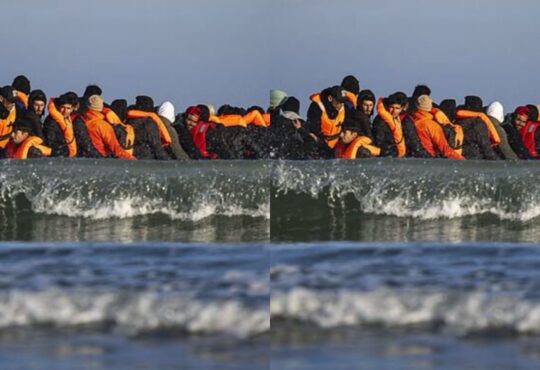
The case began after Miller attended an anti-migrant demonstration in Portsmouth on September 12. Around 2,000 protesters reportedly gathered in the city following the arrival of a small boat carrying migrants.
Before the demonstration, police had warned protesters that they could face arrest if they wore masks or other face coverings to hide their identities. The restriction was introduced amid concerns about public disorder and followed incidents in Dover where masked protesters had blocked roads during demonstrations against immigration.
Despite the police warning, Miller attended the Portsmouth protest wearing Islamic clothing that covered his face. He was subsequently arrested and accused of deliberately concealing his identity.
However, the pensioner strongly rejected the allegation. He told the court that he had not worn the clothing to hide who he was, but because he was studying Islam and exploring the possibility of becoming a Muslim.
Miller appeared in court without a lawyer and represented himself during the hearing. When he entered the courtroom, he was asked to remove his face covering so officials could confirm his identity. He briefly complied before putting it back on.
During the hearing, Miller questioned why his religious beliefs were being examined. He argued that people arriving in Britain were not routinely questioned about their religion and wondered why he was being asked to explain his own beliefs.
He suggested that everyone living in Britain should be treated equally under the law, regardless of their background or religion.
When District Judge Stephen Apted asked him to explain his defence, Miller argued that there should be one law applying to everyone.
The judge explained that simply calling for equal treatment under the law was not enough to answer the charge against him.
Miller then claimed that he had a religious reason for wearing the face covering and believed he should be exempt from the restriction because of his Islamic religious observance.
However, the judge told him that if he intended to rely on religion as part of his defence, he would need to provide evidence supporting that claim.
The pensioner explained that he was currently studying Islam and considering changing his religion. He suggested that his decision was partly influenced by what he believed was happening in British society.
According to Miller, Britain was gradually becoming more influenced by Islam, and he believed understanding the religion could be beneficial to him.
He told the court that his interest in Islam came from his desire to understand different religious beliefs and how people experience everyday life while wearing Islamic clothing.
Miller also claimed that wearing the veil had changed the way people treated him. He said he felt more secure and had noticed that people were friendly towards him.
He even encouraged others to experience what life was like behind a veil, suggesting that doing so could help them understand the experiences of people who regularly wear religious face coverings.
The pensioner explained that he had previously lived in Morocco and had also visited Bahrain and Dubai. These experiences, he suggested, had given him some familiarity with Muslim communities and cultures.
However, he made it clear that he remained concerned about the direction Britain was taking.
Miller described himself as a religious person who loved his country but was deeply troubled by some of the changes he believed were taking place.
He argued that his decision to study Islam was connected to his curiosity about religion and his desire to understand the society around him.
During the hearing, Miller also challenged the circumstances of his arrest.
He claimed that police officers had treated him unfairly and insisted that he had cooperated with them throughout the demonstration.
According to Miller, he made no attempt to avoid police cameras or hide from officers. Instead, he said he had walked openly in areas where CCTV cameras and police body cameras could record him.
He argued that this showed he had not been trying to conceal his identity for any unlawful purpose.
Miller also claimed that officers had never asked him to remove his face covering during the protest.
He suggested that police body-camera footage would support his account and demonstrate that he had complied with officers.
For these reasons, he maintained that his arrest was unlawful and should be challenged.
The pensioner further questioned why he had been arrested when, according to him, other people had not faced the same charge.
He suggested that his case raised wider questions about how police enforce rules concerning religious clothing and face coverings at public demonstrations.
However, the court has not accepted his arguments as proof that the arrest was unlawful. Those issues are expected to be considered during the trial.
Judge Apted explained that his questions about Miller’s religion were necessary to understand the legal issues involved in the case.
He made clear that the court needed to establish whether Miller was genuinely wearing the clothing for religious observance or whether he had used it to avoid the police restrictions imposed on protesters.
The distinction could become important when the case goes to trial.
Miller entered a not guilty plea and was informed that his trial would take place at Portsmouth Magistrates’ Court on February 16.
He also revealed that he was considering raising money through crowdfunding to help pay for legal representation.
The case has attracted attention because it involves an unusual combination of immigration protests, religious clothing, police powers and questions about equal treatment under British law.
Although Miller attended a demonstration against immigration, he has defended his decision to wear Islamic clothing by saying he is exploring the religion and believes the experience has helped him understand life from another perspective.
The police, meanwhile, have accused him of breaching restrictions introduced to prevent people from hiding their identities during the protest.
It is important to note that the charge against Miller does not mean that wearing a burqa or niqab is generally illegal in Britain. The case concerns the specific restrictions imposed by police during the demonstration and whether Miller broke those rules.
The court will now have to consider the evidence, including the circumstances of his arrest, the police instructions in force that day and his explanation for wearing the face covering.
Until the trial is completed, Miller remains accused of the offence but has not been found guilty.
For now, the 76-year-old continues to insist that he did nothing wrong and that his arrest was unjustified. His trial in February will determine whether his actions amounted to a breach of the law.