Woman Whose Dream Was to Reach the UK by Any Means Boards a Boat Carrying 74 Illegal Migrants but Faces an Unexpected Tragedy She Never Saw Coming

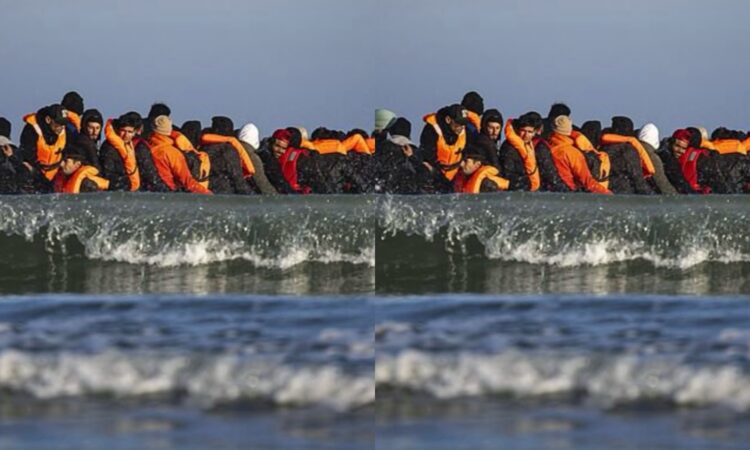
A 36-year-old woman from India tragically lost her life while trying to cross the English Channel in a small migrant boat after she was pushed beneath other passengers during a desperate rescue attempt.
The woman, identified as Manpreet Kaur, was among 74 migrants travelling from France towards the United Kingdom on September 9, 2025. A maritime investigation has now revealed the frightening conditions inside the overcrowded boat and the events that led to her death.
According to the Marine Accident Investigation Branch (MAIB), the migrants were travelling in a 7.8-metre inflatable dinghy that was dangerously overcrowded and unsuitable for crossing the English Channel.
The boat was already in terrible condition before rescuers arrived. Water had entered the vessel, leaving some areas flooded above knee level. Passengers were reportedly using plastic bottles to remove the water in an attempt to prevent the dinghy from sinking.
The situation became even more dangerous because petrol was leaking into the boat. Investigators discovered that the engine had to be refuelled at least four times during the journey, causing fuel to spill into the water collecting at the bottom.
As a result, several passengers suffered chemical burns after coming into contact with the mixture of seawater and petrol. Ms Kaur was among those affected.
Investigators also believe that breathing petrol fumes may have weakened her physical condition before the rescue operation began.
The migrants were facing extremely difficult conditions. Some were cold, dehydrated and exhausted after spending hours at sea. As the situation became increasingly desperate, arguments and physical fights reportedly broke out among some passengers.
At approximately 10.57am, a Border Force rescue vessel called BF Volunteer arrived to help the migrants.
The rescue team passed a line to the dinghy to bring it alongside their vessel so passengers could be transferred to safety.
However, what was supposed to be a rescue operation quickly turned into a terrifying situation.
As passengers realised help had arrived, many rushed towards one side of the inflatable boat, hoping to get onto the Border Force vessel.
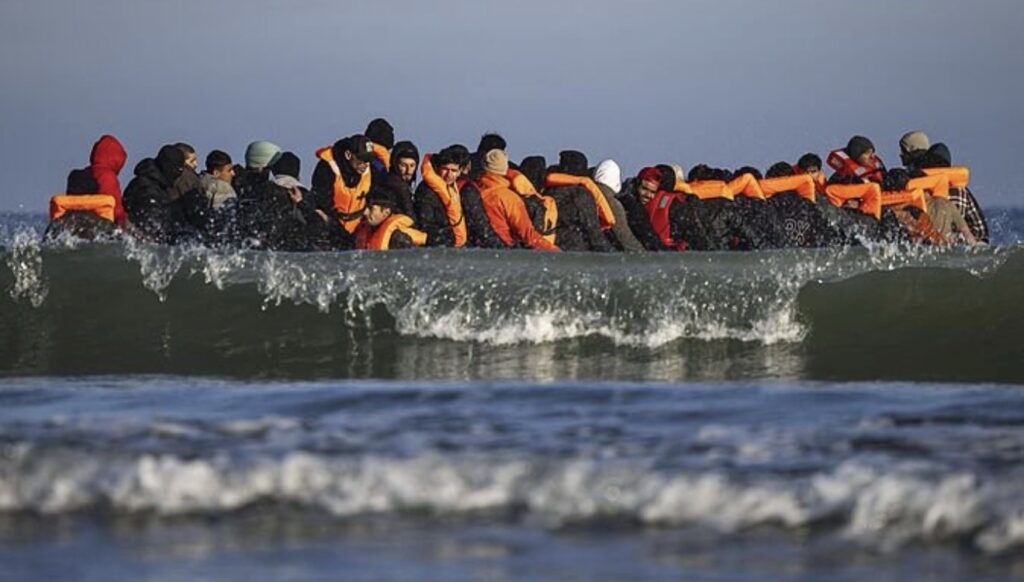
The sudden movement caused one side of the already damaged dinghy to collapse. Water rushed into the boat, creating panic among those on board.
Several migrants fell into the sea, while others struggled to remain inside the collapsing vessel.
During the confusion, Ms Kaur was pushed down and trampled by other passengers. She became trapped at the bottom of the dinghy, where she was submerged in water.
The investigation found that she remained underwater for a significant period before rescuers discovered her.
By 11.21am, Border Force officers had rescued everyone except Ms Kaur. However, she had not yet been located inside the damaged boat.
The rescue crew continued dealing with the emergency while waiting for assistance from the Royal National Lifeboat Institution (RNLI).
Ms Kaur was eventually recovered at approximately 11.37am, but she had already suffered fatal consequences from the incident.
The investigation concluded that she drowned after being trampled into the flooded bottom of the dinghy.
One of the most concerning findings was that the rescue crew had not been properly trained to recover an unconscious person from a collapsing inflatable boat.
Investigators said this lack of specialised training and suitable equipment prevented the crew from helping Ms Kaur during a crucial period after she first got into difficulty.
The report identified an important 10-minute window during which assistance might have made a difference.
However, Border Force personnel were dealing with a large number of frightened passengers on a boat that was rapidly falling apart.
Ms Kaur was also difficult to see because of her position at the bottom of the dinghy, the amount of water inside the vessel and the poor visibility during the rescue.
The MAIB explained that these circumstances contributed to the delay in identifying her.
Investigators described the inflatable boat as completely unsuitable for such a dangerous journey, pointing to its poor construction, overcrowding, unsafe fuel arrangements and deteriorating condition.
They warned that the combination of these problems made the vessel highly vulnerable to flooding and collapse, particularly when passengers suddenly moved towards one side.
The findings have also raised serious questions about whether rescue teams have the necessary training and equipment to respond when overcrowded migrant boats collapse during emergency operations.
Following the investigation, the MAIB recommended that Border Security Command review the training and procedures used by Border Force personnel during similar incidents.
The recommendations include improving how rescue crews identify people who may be unconscious, trapped or submerged inside damaged inflatable boats.
Investigators also called for better equipment and clearer guidance to help officers safely recover casualties from boats that have partially collapsed.
The report stressed that every minute matters during emergencies at sea, particularly when someone is unconscious or trapped underwater.
It warned that delays in locating and recovering people in serious danger could lead to further preventable deaths.
Ms Kaur’s death highlights the extreme risks faced by migrants attempting to reach Britain through the English Channel in overcrowded and poorly maintained boats.
Although the Border Force crew managed to rescue the other 73 people on board, the operation ended in tragedy for Ms Kaur.
The investigation has now placed renewed attention on the dangers of these crossings and the need to ensure emergency rescue teams are better prepared to respond when migrant boats suddenly collapse.