Shock official figures reveal rise in asylum seekers living in communities across UK, You Won’t Believe the Rise

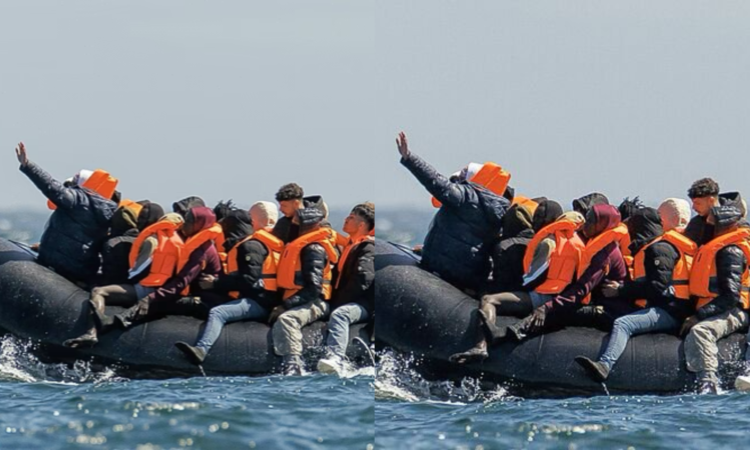
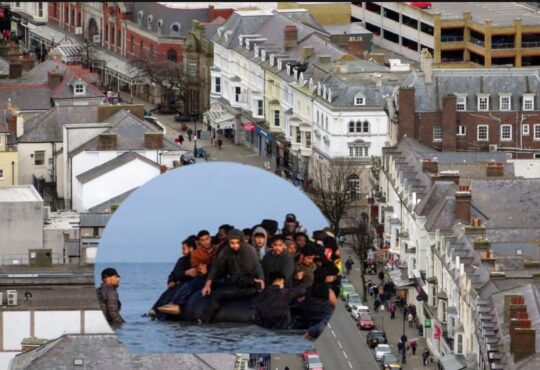
Almost 70,000 asylum seekers are now living in houses, flats, bedsits and other forms of accommodation in communities across the UK, according to new figures. The number has risen from 68,719 in May to 69,038. This figure includes 4,790 people whose asylum applications have already been refused.
The number of asylum seekers being housed in hotels has also fallen, with 16,021 people now staying in hotel accommodation.
The figures come as pressure continues to grow over how the UK manages its asylum system and where people seeking protection are housed. The Government has been moving more asylum seekers from hotels into what is known as dispersal accommodation, including houses and shared properties in different parts of the country.
Home Secretary Shabana Mahmood has said she wants to close all migrant hotels before the next General Election. However, the growing number of asylum seekers being placed in ordinary homes and shared accommodation has raised concerns about the pressure this could put on local communities and public services.
The wider figures show that 85,891 people applied for asylum in the UK last year. That was lower than the 106,130 applications recorded during the previous 12 months.
Around 33,949 people applied for asylum after crossing the English Channel in small boats. Another 34,999 people arrived in the UK legally on visas before later applying for asylum.
Among those who arrived on visas, 9,442 had study visas, 14,151 had work visas, 6,392 had visitor visas and 5,014 had other types of permission to remain in the UK.
People from Pakistan made up one of the largest groups of asylum applicants, with 8,305 applications. Many Pakistani applicants had originally entered the UK using a visa. Bangladeshis, Indians and Nigerians were also among the most common nationalities of people who applied for asylum after legally entering the country.
Among those arriving by small boats, Eritreans, Afghans, Iranians, Sudanese and Somalis have made up some of the largest groups so far this year.
The cost of running the UK’s asylum system also remains high. Government figures show that the Home Office spent £4.36 billion on asylum in 2025/26. This was an 8 per cent fall from the £4.76 billion spent in 2024/25.
The spending includes accommodation, financial support for asylum seekers, staff costs and other work connected with the UK’s asylum and immigration system. It does not include the cost of intercepting people attempting to cross the English Channel in small boats.
Spending on the asylum system reached a record £5.38 billion in 2023/24 before falling over the following two years.
At the same time, officials have issued guidance to asylum seekers explaining some of the laws and rules they are expected to follow while living in Britain.
The guidance explains that women do not need permission from their husbands, fathers, brothers or any other men to make decisions about their lives. It also explains that men and women have equal rights under British law and that people cannot legally be treated unfairly because of their gender.
The booklet also tells asylum seekers that domestic abuse is against the law and explains the UK’s rules on sexual consent.
Officials warn that having sex with anyone under the age of 16 is a serious crime. The guidance says that even if a person under 16 agrees, the law does not allow it. Those who break the law could face prison and could also lose their asylum support and accommodation, while the offence could affect their asylum case.
The guidance also warns against harming children or denying them basic needs such as food. It specifically states that female genital mutilation and other forms of harm to a girl’s genitals are illegal.
The booklet also explains what rape means under UK law and stresses that consent is required every time people have sex, including between married couples or people in relationships.
It explains that a person can change their mind at any time, even if they agreed to sex earlier. It also says that someone who is asleep, heavily intoxicated or unable to respond cannot give consent.
The guidance is intended to explain British laws and make clear to asylum seekers that breaking these rules can have serious consequences.