Asylum Seekers Enjoy Happy Days Out at Popular UK Attractions After Being Offered Huge Discounts, Paying Just a Surprisingly Small Amount While Other Families Face Much Higher Prices

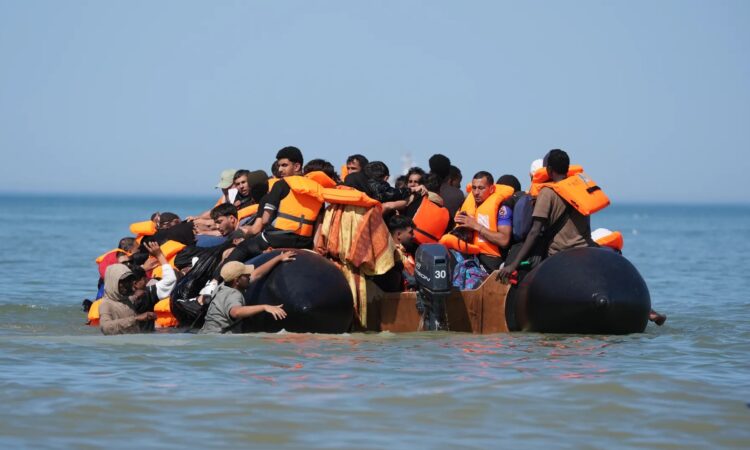
A report has revealed that asylum seekers can get free or heavily reduced entry to a number of popular attractions across the UK, while many ordinary families have to pay the full price to visit the same places.
The investigation looked at 21 attractions across the country, including historic cathedrals, famous gardens, museums, theatres and swimming pools. According to the report, the normal cost of visiting all of these places as one adult could add up to around £337. However, the report says an asylum seeker could visit the same attractions for roughly £28 because of the discounts or free entry available at some venues.
One of the examples mentioned is Canterbury Cathedral. An asylum seeker with the relevant documentation can reportedly enter for free, while an ordinary adult visitor can pay up to £18.50 for admission. For a family already struggling with food, rent, energy bills and other everyday costs, even a day out can become an expensive luxury.
Another example is Kew Gardens in south-west London. The report says asylum seekers can enter for as little as 85p, while most other visitors are expected to pay £24.50. The large difference in price has raised questions about whether people who are paying full price are being treated fairly.
The report also points to attractions in other parts of England. In Bath, asylum seekers can reportedly visit the Roman Baths for free through the city’s Sanctuary Programme, while other visitors may have to pay around £33. Some museums in Bristol and Oxford are also said to provide free entry, while some theatres in Nottingham offer similar support.
The findings have caused anger among critics of the current asylum system. They argue that British families are already facing serious financial pressure and should not have to pay significantly more than asylum seekers to enjoy museums, gardens, historic buildings and other attractions.
Critics say the issue is not simply about the price of a museum ticket or a day out. They believe it is about how people feel they are being treated in their own country. For families who work, pay taxes and struggle to afford entertainment for their children, seeing other groups receive large discounts can create a strong feeling that the system is unfair.
Shadow Home Secretary Chris Philp criticised the arrangements and questioned why asylum seekers should receive what he described as free benefits while taxpayers are paying the full cost of visiting the same attractions. His comments have added to the growing political debate around immigration and the support given to people waiting for asylum decisions.
Rob Bates, from the Centre for Migration Control, also criticised the discounts. He argued that providing free or very cheap access to attractions could become another reason people might consider coming to the UK. He believes the Government should look carefully at anything that could encourage more people to make the journey across the English Channel.
Supporters of the discounts, however, may argue that asylum seekers are often living in difficult circumstances while they wait for their claims to be decided. They may say that allowing people to visit cultural and public attractions at a lower cost gives them a chance to take part in normal activities and feel part of the community.
There is also an important point from the Home Office that has been highlighted in the report. The department said that the Application Registration Card does not automatically give asylum seekers a right to discounts. Instead, the card is mainly used as an identity document.
The Home Office also said that the discounts are not directly funded by taxpayers. According to the department, the individual attractions and organisations decide whether they want to offer free or reduced admission and pay for those schemes themselves.
That means the situation is more complicated than simply saying that taxpayers are paying for asylum seekers to enjoy free days out. The discounts are being offered by individual organisations, and each organisation can have its own reasons and rules for providing them.
Even so, the issue has opened up a much wider argument about fairness in Britain. Many people are asking whether discounts should be based on someone’s immigration or asylum status, or whether they should instead be available to anyone who is struggling financially, regardless of where they come from.
For a British parent trying to take two or three children out for the day, the cost of entrance tickets, food, transport and parking can quickly become very expensive. Some families may therefore feel frustrated when they hear about people receiving free or extremely cheap access to attractions that they cannot easily afford themselves.
At the same time, organisations offering these discounts may believe they are helping people who have very little money and are waiting for decisions that can take a long time. They may see the schemes as part of their wider community work rather than as a special reward for asylum seekers.
The disagreement is therefore likely to continue. The controversy comes at a time when immigration remains one of the biggest political issues in the UK, with strong opinions on both sides. Some people believe the country should provide support and basic opportunities to people seeking protection, while others believe the Government should put greater priority on British taxpayers and struggling families.
The latest figures have added another talking point to that debate, particularly because of the very large difference between the normal prices and the reduced prices available at some attractions. Whether people see the schemes as helpful support or unfair treatment will largely depend on their wider views about immigration, public spending and equality.
What is clear is that the issue has created strong reactions. While the attractions say they are making their own decisions about admission prices, critics are demanding a closer look at whether such schemes are appropriate and whether similar help should also be made available to ordinary families who are struggling to afford a day out.