
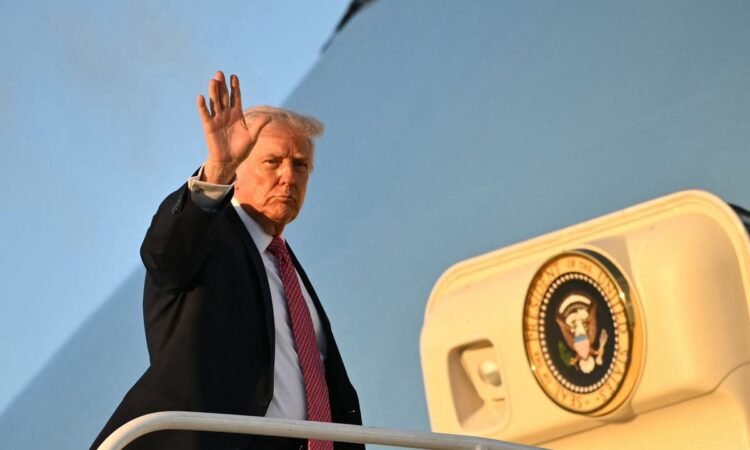
President Donald Trump is facing growing criticism after comments he made about the ongoing conflict with Iran, especially the way he chose to describe it. Instead of calling it a war, he referred to it as a “military operation,” and even went further to describe it as highly successful, saying it was something “like nobody’s ever seen before.” He also compared it to past actions, including Venezuela, trying to frame it as part of a pattern of strong leadership and victory.
That wording did not sit well with many people, especially political figures. Scott Wiener, a senator from California, openly criticized Trump, saying the president talks this way because he believes Americans are “idiots.” His comment reflects a wider concern among critics who feel that Trump is trying to downplay the seriousness of the situation by using softer language instead of calling it what it is.
The comparison many people quickly made was with Vladimir Putin, who used similar language when describing Russia’s invasion of Ukraine as a “special military operation.” Critics argue that this kind of wording is often used by leaders to make a conflict sound more controlled or less severe than it actually is, even when the reality on the ground tells a different story.
In reality, the situation between the United States, Israel, and Iran has become increasingly intense. Even after weeks of heavy airstrikes from advanced militaries, Iran has shown it can still respond effectively.
Instead of fighting like a traditional army, it is using tactics more similar to insurgency warfare focusing on smaller, strategic attacks that can cause maximum disruption. This includes launching missiles and drones and targeting key areas that affect both security and the global economy.
One of Iran’s biggest advantages is its ability to influence the Strait of Hormuz, a narrow but extremely important waterway through which a large portion of the world’s oil supply passes.
By threatening this route, Iran is able to create global pressure without needing to win battles in a traditional sense. Even the possibility of disruption there is enough to push oil prices higher, shake financial markets, and increase the cost of everyday goods around the world.
At the same time, Iran’s own economy has been under sanctions for years, which means it is somewhat used to operating under pressure. Because of this, some analysts believe Iran’s strategy is not necessarily to defeat the United States militarily, but simply to survive long enough to claim a form of victory. By continuing to resist and create disruption, it can present itself as standing strong against more powerful nations.
Back in the United States, this situation is creating political tension. Some lawmakers and analysts are worried that what is being described as a limited “operation” could gradually turn into a much larger and longer conflict. The presence of U.S. forces in the region, combined with ongoing military actions, raises concerns about escalation, especially if ground operations were ever to be considered.
The way the conflict is being communicated is becoming just as controversial as the conflict itself. Critics believe that calling it a “military operation” instead of a war is an attempt to control public perception and avoid panic or backlash. They argue that clear and honest language is important so that people fully understand what is happening and what the potential consequences could be.
Supporters of Trump, on the other hand, may see his wording as a way of showing confidence and control, suggesting that the situation is being handled effectively and is not spiraling out of control. But for many others, the concern remains that the language does not match the reality, and that minimizing the situation could make it harder for people to grasp how serious it really is.
As the conflict continues, both the military developments and the political reactions are likely to intensify. What started as a strategic operation is now being watched closely as something that could reshape global stability, impact economies worldwide, and define how leadership decisions are judged in a time of crisis.