Donald Trump’s weird flurry of late night posts – shirtless JD Vance to creepy Melania smile

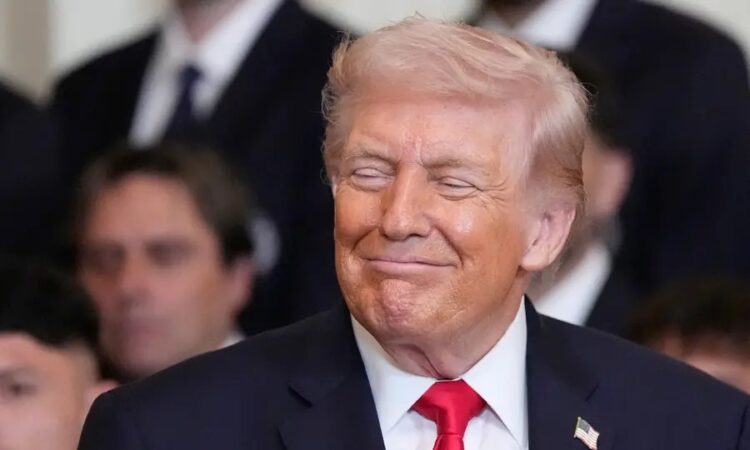
Donald Trump is once again facing a wave of reactions after a burst of unusual late-night activity on his social media platform, where he shared a mix of AI-generated images, personal photos, and political attacks in a very short period of time. What stood out to many people was not just the content itself, but how quickly everything was posted and how unrelated the posts seemed from one moment to the next.
The activity reportedly began late at night, when most people would expect a president to be off duty or resting. Instead, Trump was actively posting multiple images back-to-back. One of the most talked-about posts showed an AI-generated scene of him alongside JD Vance and Marco Rubio, all depicted shirtless and sitting in the Lincoln Memorial Reflecting Pool.
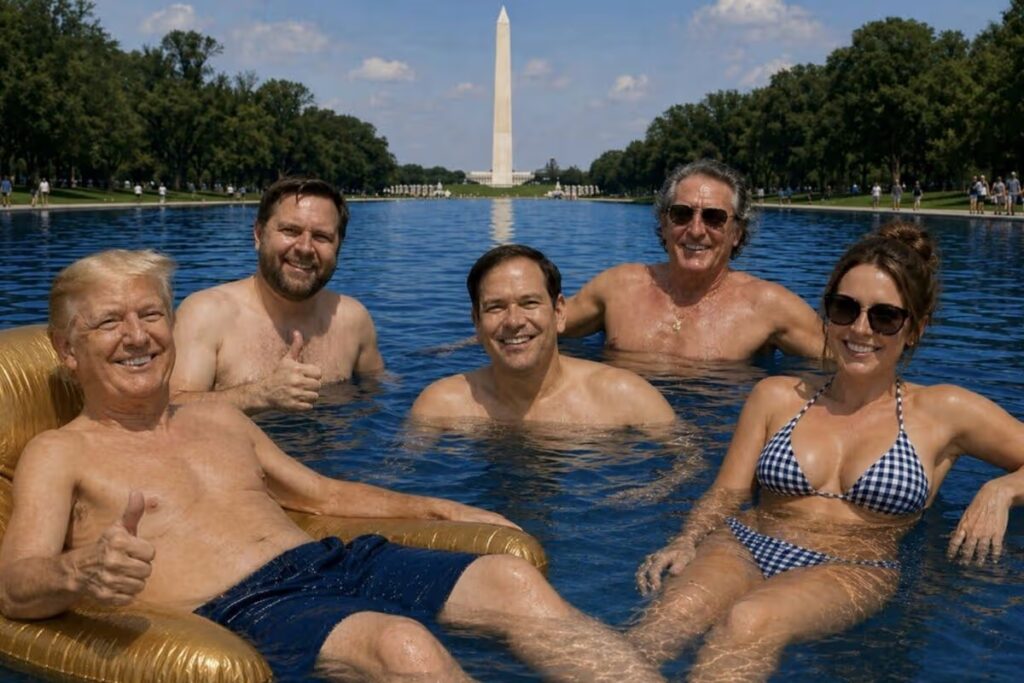
The image looked surreal and unrealistic, and many viewers were confused about its purpose. The Reflecting Pool is a serious national landmark, often associated with history and major public events, so seeing it used in this way added to the sense that something felt off.
Trump followed that with more posts about the same location, including images criticizing how the Reflecting Pool looked during the presidency of Barack Obama, and a stylized design showing how it might look if redesigned in bright blue. The tone shifted from humorous to critical and then to promotional, all within minutes, which made it difficult for people to understand the overall message he was trying to send.
Without any clear transition, Trump then posted a photo of Melania Trump, smiling after a recent frightening moment at the White House Correspondents’ Dinner. That event had already caused concern because of a reported security incident, so bringing it up again in the middle of unrelated posts added another layer of confusion. Some people felt it was inappropriate to mix a serious situation with light or playful AI content.
At the same time, Trump used the platform to go after Hakeem Jeffries, calling him insulting names. This kind of language is not new for Trump, but in the context of everything else he was posting that night, it made the situation feel even more chaotic.
He also returned to a long-running idea of his, posting an image of himself placed next to Mount Rushmore. The monument famously features George Washington, Thomas Jefferson, Theodore Roosevelt, and Abraham Lincoln. Trump has previously said he would like to be included among them, and while some supporters take that as confidence or humor, critics see it as unrealistic or self-promotional.
Another post showed him holding UNO cards marked “Wild,” with a caption suggesting he had control over everything. To some viewers, this looked like a symbolic message about power or strategy, but to others, it just added to the randomness of the entire sequence of posts.
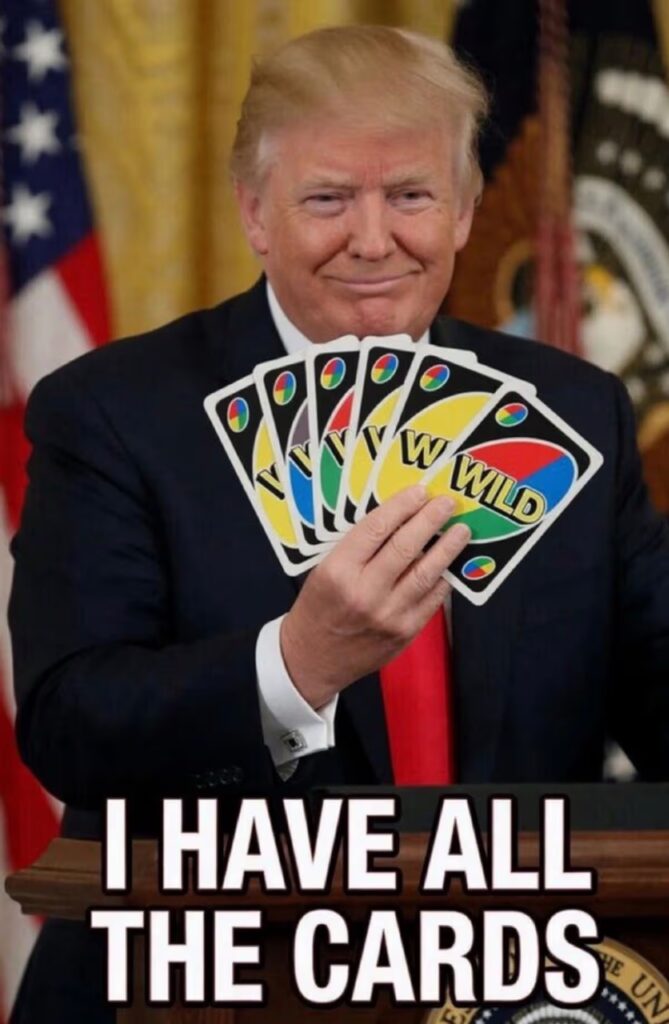
All of this reportedly happened within less than an hour, which is what caught the attention of Harry Sisson, who publicly questioned whether the behavior was normal. His comment that “this man is not well” quickly spread online and became part of a wider discussion.
This situation also connects to a recent controversy where Trump shared another AI-generated image that many people believed showed him as Jesus performing a miracle. Trump later explained that he thought the image showed him as a doctor helping people, possibly linked to the Red Cross. He pushed back strongly against criticism, saying that only “fake news” would interpret it in a negative way, and insisted that the message was about helping people get better.
Taken together, these moments have created a broader conversation about how Trump uses social media, especially late at night. Some people see it as part of his personality, saying he speaks directly and without filters. Others believe that the timing, the content, and the speed of the posts raise concerns about judgment and leadership, especially given the seriousness of his position.
The mix of humor, political attacks, personal images, and AI-generated content all in one short burst made the situation feel unpredictable. It left many people trying to understand whether the posts were meant to entertain, send a message, or simply reflect a spontaneous moment. Regardless of the intention, the reaction shows how closely people watch his online activity and how quickly it can turn into a major public discussion.