Donald Trump’s new ‘gamble’ relies on ‘another lie’ to his already fracturing MAGA base

A new political analysis argues that U.S. President Donald Trump is taking a serious political risk that could upset part of his own MAGA support base.
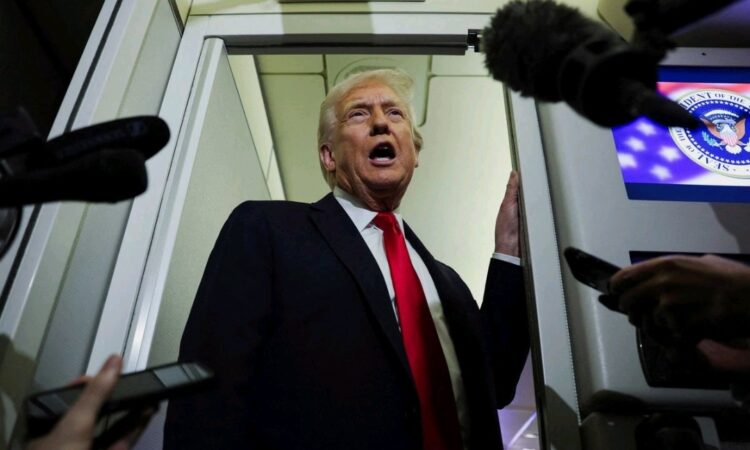
In a file photo from November 25, 2025, Trump is seen speaking to reporters aboard Air Force One while traveling to Florida. Recently, his decision to approve military strikes on Iran has drawn criticism, especially from people who believed he would avoid getting the United States involved in new wars.
Journalist Christopher Bucktin wrote in The Mirror that Trump built much of his political success on the promise that he would not drag America into more foreign conflicts. According to Bucktin, many Republican voters were tired of what they saw as endless wars overseas.
Trump recognized that frustration and used it to his advantage during his campaign. Now, Bucktin argues, Trump is betting that those same voters will accept another military conflict, even though it appears to go against what he promised.
Bucktin suggests that as American soldiers are put in danger and casualties potentially rise, some MAGA supporters may begin to question whether Trump’s earlier promise of “no new wars” was ever genuine. Instead of quietly doubting, Bucktin says, some in the movement are openly asking whether they were misled just to secure their votes.
He explains that Trump’s return to the White House was strongly tied to his anti-war message. Many of his supporters believed he would end what they saw as unnecessary foreign interventions and stop the cycle of regime change efforts abroad.
For them, this was not a minor campaign promise; it was a core reason they backed him. They believed he would prevent more American lives from being lost in distant conflicts that felt disconnected from everyday American concerns.
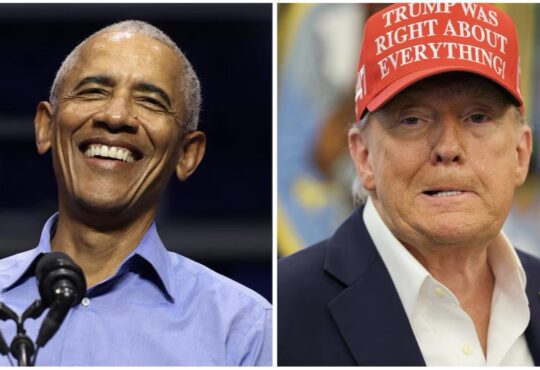
Critics have also pointed to Trump’s past comments about former President Barack Obama. In 2011, Trump accused Obama of possibly starting a war with Iran because of poor negotiation skills. At the time, Trump suggested that war would be used to cover up diplomatic failure.
Bucktin argues that those past words now raise uncomfortable questions for Trump. While Obama negotiated a nuclear agreement with Iran and did not launch direct attacks, Trump later withdrew from that deal and, according to critics, failed to replace it with a new agreement. Now that Trump has authorized strikes on Iran, some opponents say the criticism he once aimed at Obama could just as easily apply to him.
Overall, the analysis paints Trump’s latest move as a major political gamble. It suggests he is asking his supporters to overlook a key promise that helped bring him back to power, and it raises the possibility that this decision could deepen divisions within his own political base.