
As tensions rise around the world and talk of a wider conflict grows louder, the UK has quietly made a change that has caught many people’s attention.
The government has increased the maximum age at which Army reservists can be called back into service, raising it from 55 to 65. This has led many to ask what could happen if a major war, including a possible World War Three, were to break out.
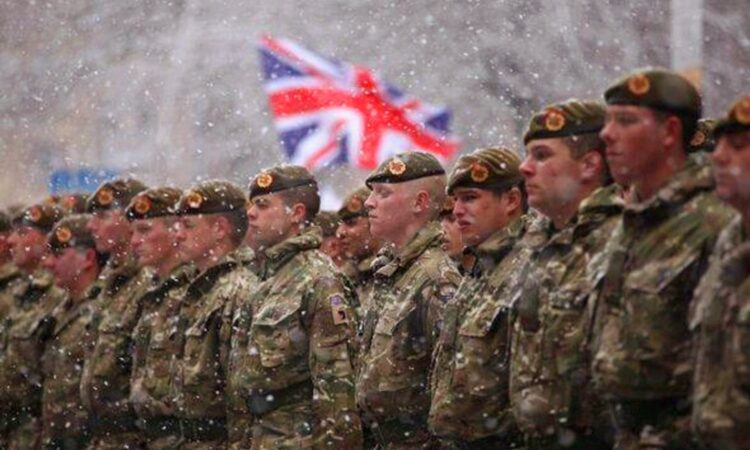
The change does not mean conscription has already started, but it does show that the government is thinking seriously about preparedness. By extending the age limit, the UK is strengthening what it calls its “strategic reserve.” This includes former soldiers who have left full-time service but can still be recalled if the country faces a serious emergency.
It also covers a wider pool of people who could be asked to step in if the situation became desperate. In any major conflict, these reservists would likely be the first group to be called up.
The idea of being forced into military service is unsettling for most people, especially those nearing retirement age who thought their military obligations were long behind them. But officials argue that modern warfare requires experience as much as youth, and older reservists may still have valuable skills that could be used in support or specialist roles.
Concerns about war are not coming out of nowhere. Last year, the UK government warned that citizens should be more prepared for the possibility of conflict reaching British soil. That warning was part of a broader message that modern wars are no longer fought only on distant battlefields but can affect daily life at home through cyberattacks, supply shortages, and infrastructure threats.
If Britain were ever forced to introduce conscription again, history gives some clues about how it might work. During the early stages of the Second World War, compulsory service was first introduced for young men aged 20 to 22, even before fighting officially began. They were required to complete six months of military training, and hundreds of thousands registered.
Once war was formally declared, the rules quickly became stricter. The age range expanded almost overnight, and all men between 18 and 41 were required to register for service. As the conflict deepened, the system continued to adapt to the country’s needs.
What would happen today to people who refused to serve is still unclear. During the Second World War, those who objected on moral or religious grounds were not simply ignored.
Many were taken to court, and while some were exempted from combat, they were often required to take on other compulsory work, such as farming, factory labor, or medical support, to help the war effort in different ways.
For now, conscription remains hypothetical. But the decision to raise the reservist age limit has added to public anxiety and sparked serious conversations about how close the world might be to a major conflict, and what sacrifices ordinary people could be asked to make if that day ever comes.