South Sudanese Teenager Who Came to the UK on a Small Boat Gets Unexpected Outcome After Officers Discover What He Did During Dangerous Channel Crossing Carrying 165 Migrants

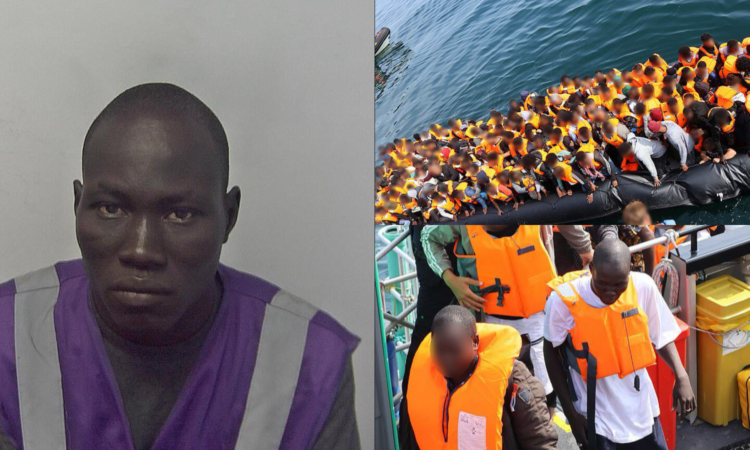
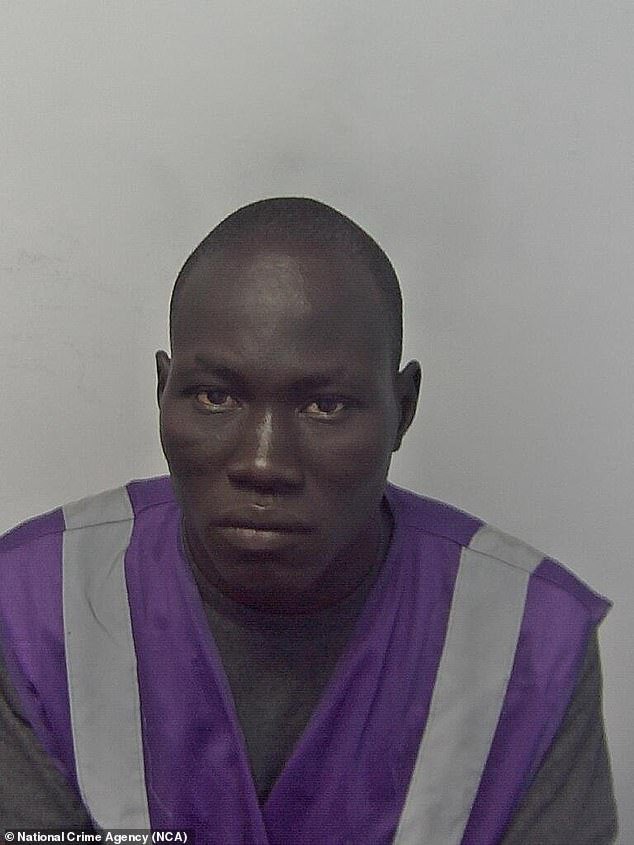
A South Sudanese teenager has been jailed after steering an overcrowded small boat carrying more than 160 migrants across the English Channel from France to the UK.
Chan Atak, 19, was in control of the rigid inflatable boat when it entered British waters on July 23. The boat was carrying 165 people, making it the highest number of migrants recorded on a single small boat crossing at that time. That record was later surpassed when another dinghy reportedly carried 230 people.
Atak appeared at Canterbury Crown Court, where he admitted one count of endangering lives at sea. He was sentenced to two years and three months in prison.
The court heard that the boat was dangerously overcrowded and was not suitable for such a long journey across the Channel. Only one of its two engines was working properly, while parts of the inflatable tubing had started to lose air.
There was also very little proper safety or navigation equipment on board. Many of the life jackets being worn by passengers were said to be of poor quality, increasing concerns about what could have happened if the boat had overturned or started sinking.
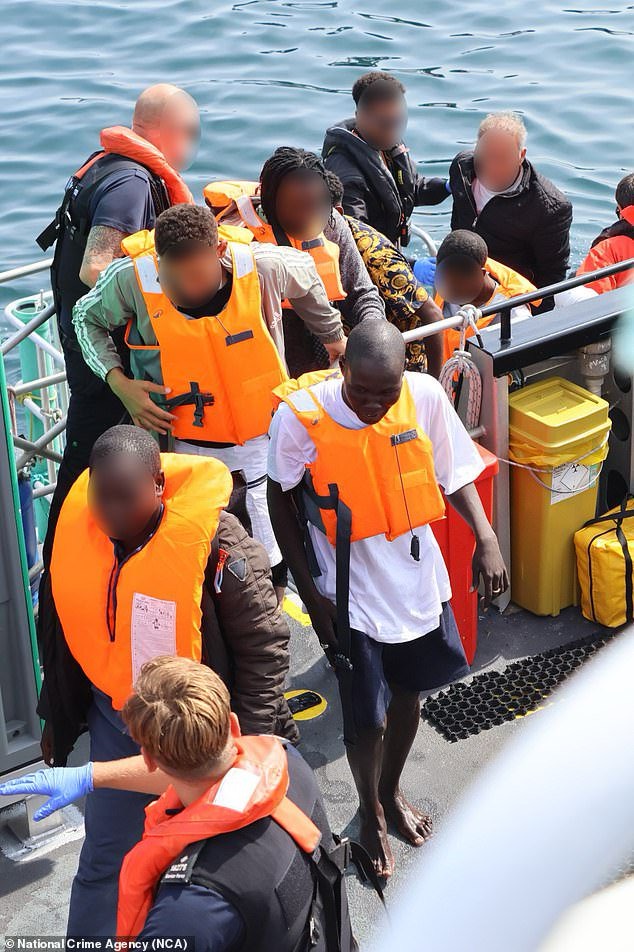
Among the 165 people packed onto the boat were 31 children, with the youngest said to be 14 years old. The journey from France took around 24 hours. The passengers came from different countries across Africa, the Middle East and parts of Europe.
Judge Sarah Counsell said anyone who takes control of a boat also takes responsibility for the safety of the people travelling on it. She said the dangers of continuing the journey in such an overcrowded and damaged vessel should have been clear.
The judge also pointed out that the English Channel is one of the busiest shipping routes in the world. Small inflatable boats are not designed for long journeys across open sea, and dangerous conditions can quickly put everyone on board at risk.
Border Force and Coastguard teams regularly try to locate small boats and prevent people from losing their lives, but the court heard that rescue teams cannot always prevent serious injuries or deaths.
Drone footage was presented as evidence in the case. Prosecutors said the footage appeared to show Atak operating the boat’s engine for around 90 minutes. When a Border Force vessel approached, he was reportedly seen stopping the engine and removing a distinctive jacket he had been wearing.
Prosecutors argued that this was an attempt to blend in with the other passengers and make it more difficult for officers to identify who had been steering the boat.
During an earlier police interview, Atak said he had paid €200, around £170, to a gang for the Channel crossing. He denied steering the boat and also denied being the person wearing the distinctive jacket seen in the footage.
His defence lawyer, Audrey Mogan, accepted in court that Atak had been at the helm but argued that there was no evidence showing he was responsible for deciding how many people were placed on the boat or for its poor condition.
She also said there was no evidence that Atak was responsible for the lack of proper life jackets, first-aid equipment, flares or other important safety equipment.
The court was also told about Atak’s difficult journey before reaching the UK. His lawyer said he had fled South Sudan after being forcibly recruited by a militia. She said he had witnessed serious violence before managing to escape.
According to his defence, Atak later travelled through Libya, where he was allegedly beaten and forced to work, before continuing his journey through Italy and France.
His lawyer told the court that Atak is a Christian and said his reason for coming to the UK was to seek safety and sanctuary after escaping violence in his home country.
Atak has applied for asylum in Britain. However, the judge said that difficult personal circumstances did not remove the serious risks created by steering such a heavily overcrowded boat across the Channel.
Because of the length of his prison sentence, Atak is expected to be considered for deportation after serving his sentence. However, any attempt to remove him to South Sudan could face legal arguments relating to his individual circumstances and conditions in the country.
The 165 people travelling on Atak’s boat made up a large proportion of the 366 people who crossed the English Channel in small boats that day.