
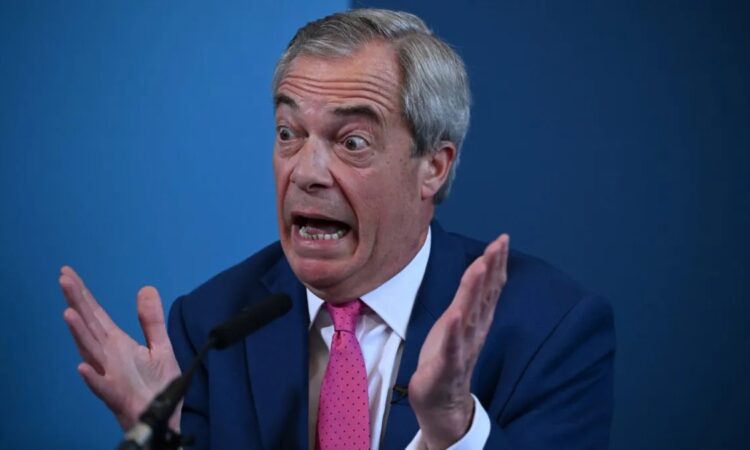
The Reform UK leader, along with Zia Yusuf, has launched an inquiry into what they call a huge rise in migration to the UK.
Nigel Farage strongly criticised the cost of the migration increase that happened during Boris Johnson’s time as Prime Minister. He warned that the UK could face serious long-term economic problems as a result.
Speaking at a Reform UK press event in Westminster, Farage said that despite several promises to reduce net migration to tens of thousands a year, the Conservatives actually increased it instead. He said many people believed Boris Johnson would reduce migration, but instead, he did the opposite, which Farage called the “Boriswave.”
Farage said he has been warning about population growth since 2004. He said he was often told not to worry because migration was good for the economy, growth, and GDP. But he warned that if millions of people who arrived during this period are given permanent residency, it could become a huge financial burden for the country.
He said there is still a chance to prevent the long-term impact of this migration wave. He argued that if action is taken now, it could save households up to £20,000 a year in the future.
Farage also criticised the Conservative Party, saying they did not truly believe in Brexit or try to properly carry it out. He said that Conservative leaders failed to remove thousands of EU rules and that their defence policies have weakened the UK’s military, especially the Royal Navy.
Zia Yusuf added that the large rise in immigration between 2021 and 2024 has changed the country permanently. He said that during this period, around 3.8 million long-term visas were issued, with 4.8 million people arriving and 2.6 million added to the population overall.
Yusuf warned that the economic cost of granting permanent residency and citizenship to people who came during this period could reach around £622 billion. He said this amount is far greater than the UK’s yearly spending on the NHS and many times more than the defence budget.
He also urged the current Prime Minister not to reverse proposed reforms to the immigration system, especially changes to permanent residency rules. He argued that delaying permanent residency approvals could give future governments time to deal with the financial impact.