New Figures Reveal Something Worrying About illegal boat Migrants Heading to Britain

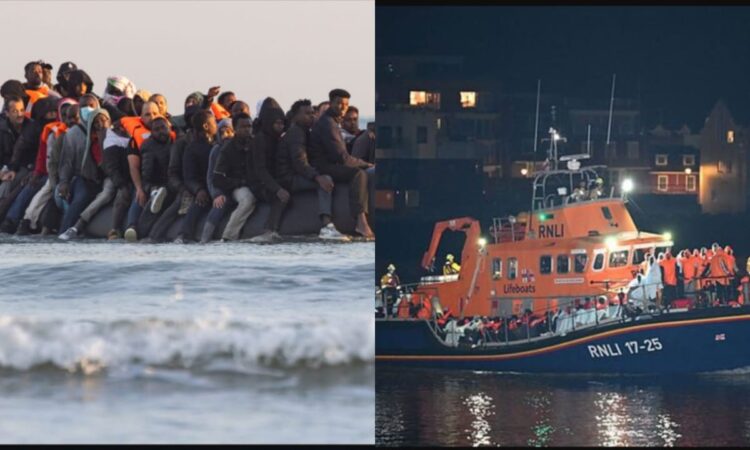
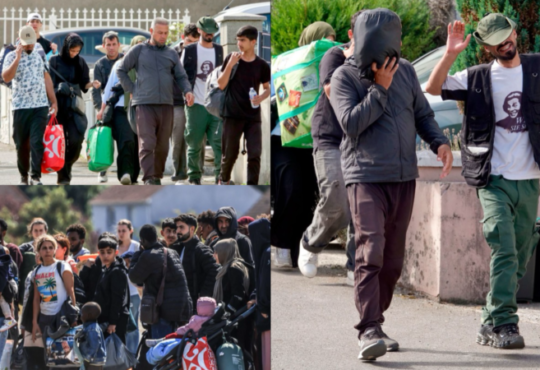
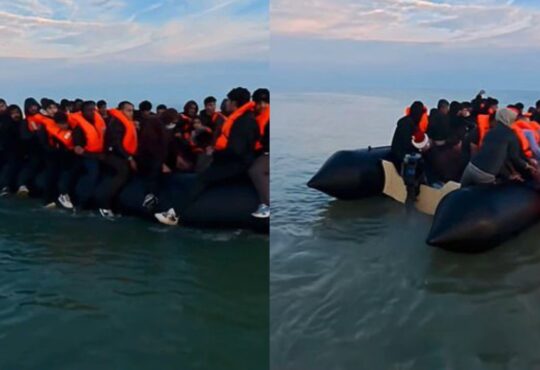
The English Channel has become the second busiest migration route in Europe, according to new figures showing that thousands of people are continuing to make dangerous journeys in an attempt to reach Britain.
The latest information from Frontex, the European Union agency responsible for monitoring borders, suggests that 30,944 people attempted to reach the UK through the Channel during the first nine months of 2026.
These figures have raised fresh concerns about the number of migrants travelling through European countries before attempting to cross the sea from France to Britain.
According to the report, only one migration route in Europe recorded more activity than the English Channel during the same period.
The Eastern Mediterranean route recorded around 31,803 migrants, particularly along the route between Libya and Crete. Thousands of others were also detected travelling through the Aegean Islands and across the land border between Bulgaria and Turkey.
Former Border Force director general Tony Smith has expressed concern about what the figures could mean for Britain’s immigration situation.
He explained that although fewer people are being detected entering the European Union illegally, the number attempting to reach Britain remains high.
According to him, this could suggest that a growing proportion of migrants entering Europe are choosing Britain as their final destination.
However, he also pointed out that the figures only cover people detected by border authorities. This means the actual number entering Europe without permission could be higher because some people may cross borders without being discovered.
Smith said the general trend across Europe has been moving downwards for some time, but the number of migrants attempting to reach the UK has remained stubbornly high.
His comments have added to the ongoing discussion about why Britain continues to attract migrants despite efforts by successive governments to reduce dangerous Channel crossings.
The latest figures come as Home Secretary Shabana Mahmood continues discussions with European officials about improving border security and strengthening cooperation between Britain and the European Union.
On Monday, October 19, Mahmood welcomed EU migration commissioner Magnus Brunner to London for talks that included the growing challenges surrounding migration.
One of the main issues reportedly discussed was how Britain could improve access to European information systems used to monitor migrants travelling between countries.
Sources have suggested that Mahmood wants to rebuild connections with EU databases so British officials can obtain more detailed information about people who have already passed through other European countries before arriving in the UK.
Such information could help immigration officers understand an individual’s travel history and identify whether they have previously been registered by authorities elsewhere in Europe.
This is particularly important because some migrants travel through several countries before reaching the northern coast of France, where they attempt to board small boats heading towards Britain.
The British Government has repeatedly said that stronger cooperation with European countries is necessary to tackle people-smuggling gangs and reduce dangerous journeys across the Channel.
Meanwhile, Frontex has reported that the overall number of people detected crossing illegally into the European Union fell by almost one-third during the first nine months of 2026.
Officials believe that cooperation with countries outside the EU and stronger measures in places where migrants begin their journeys have contributed to the reduction.
However, the situation remains serious because many people continue to risk their lives while travelling across dangerous waters.
According to Frontex, almost 2,000 people have died while attempting to cross the Mediterranean Sea this year.
The agency has also warned that new problems in other parts of the world could cause migration numbers to increase again.
One major concern involves Afghanistan, where the removal of Afghan nationals from Iran and Pakistan could force more people to seek alternative places to live.
European border officials are concerned that some of those affected may eventually attempt to travel towards Europe.
Another concern is the growing instability in the Sahel region of Africa, where conflict and insecurity could push more people to leave their homes.
Frontex executive director Hans Leijtens explained that although fewer migrants are currently attempting to enter Europe through many routes, the situation could change very quickly.
He pointed to the Atlantic route towards Spain’s Canary Islands, where the number of detected migrants in September was four times higher than in August.
According to Leijtens, people-smuggling gangs do not simply disappear when fewer migrants are travelling. Instead, they may move their operations to different locations and wait for another opportunity.
He warned that European authorities must remain prepared because migration routes can change unexpectedly.
The latest developments have also brought renewed attention to agreements between European countries and other nations aimed at reducing illegal migration.
A separate report by the Henry Jackson Society has suggested that agreements allowing countries to return migrants or prevent dangerous crossings have been linked to major reductions in arrivals.
According to the research, some agreements were associated with reductions ranging from 58% to 93%.
The study examined arrangements involving Britain and Albania, the European Union and Turkey, Italy and Libya, and Spain and Morocco.
Researchers also reported that deaths during attempted crossings fell by more than half following some of these agreements.
One example highlighted was Britain’s agreement with Albania.
In 2022, around 12,658 Albanian nationals arrived in Britain through small boats. That number dropped to 927 in 2023, while only nine were recorded during the first three months of 2026.
The report’s authors argued that the agreement demonstrated how cooperation between countries could help reduce irregular migration.
However, the findings do not necessarily prove that the agreements alone caused every reduction, as other factors can also influence migration patterns.
The report also raised concerns about the future of Britain’s efforts to return migrants to France, arguing that effective return arrangements could discourage some people from attempting dangerous crossings.
The Home Office has defended the Government’s approach, saying Britain continues to work with international partners to stop small boats, return people without permission to remain and target criminal gangs involved in people smuggling.
A Home Office spokesperson said the partnership with France had prevented more than 50,000 crossings since the election.
The department also claimed that more than 80,000 people described as illegal migrants and foreign criminals had been removed during the same period, representing a 52% increase compared with the previous two years.
Officials said the Government was prepared to take stronger action against countries that refused to cooperate with the return of their nationals.
Despite these measures, the latest Frontex figures show that the English Channel remains one of Europe’s busiest migration routes.
The situation continues to raise difficult questions about border security, international cooperation, the safety of migrants and the steps Britain can take to reduce dangerous small-boat journeys.
With thousands of people still attempting to reach the UK and migration pressures changing across Europe, the Government faces continued pressure to demonstrate that its policies can deliver lasting results.