Mary Trump Reveals Brutal Childhood Lesson She Says Still Drives Her Uncle Donald Trump

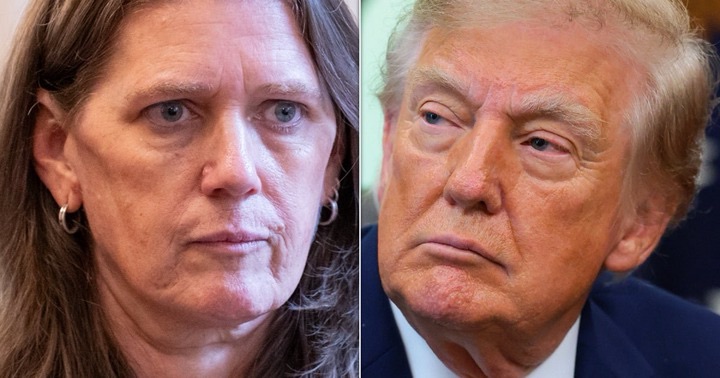
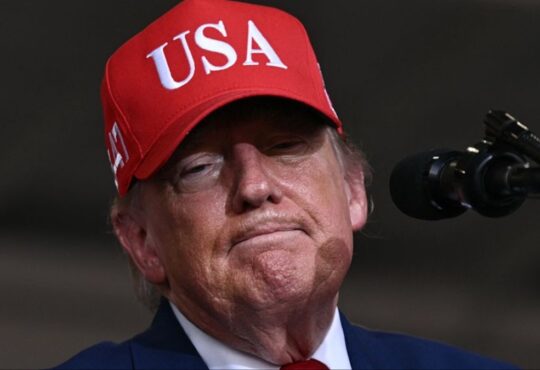
Donald Trump’s niece, Mary Trump, has spoken about her uncle’s childhood, explaining why she believes the way he was raised has played a major role in how he treats other people today.
Mary Trump, who is a clinical psychologist and has openly criticised the US president for years, shared her views in the latest edition of her Substack newsletter, The Good In Us. She looked back at Donald Trump’s early years and discussed how his relationship with his father may have influenced his behaviour, especially when he attacks, insults or blames other people.
According to Mary Trump, many of the things her uncle says about others may actually reflect feelings or weaknesses that he does not want to accept about himself. She believes this helps explain why he sometimes accuses other people of behaviour that critics say he has also displayed.
She explained that this behaviour is known in psychology as projection. This happens when someone places their own unwanted feelings, fears or personal weaknesses onto another person, sometimes without even realising what they are doing.
Mary Trump argued that her uncle’s behaviour goes beyond simply saying one thing and doing another. In her view, it is connected to lessons he learned when he was very young, particularly from his father, Fred Trump.
She claimed that Donald Trump grew up in a family environment where showing weakness, depending on other people or admitting failure could have serious consequences.
According to her, Fred Trump had a very strict way of looking at life. He divided people into two groups: winners and losers. Those he considered successful received respect, while those he believed were weak or unsuccessful were looked down upon.
Mary Trump suggested that her grandfather had little patience for people who showed emotions or struggled with difficulties. She claimed that qualities such as kindness, sympathy, sensitivity and understanding were not valued in the family environment in which Donald Trump was raised.
She wrote that being kind, caring or emotionally sensitive could make someone appear weak in Fred Trump’s eyes.
Because of this, Mary Trump believes her uncle learned from an early age that he needed to hide certain emotions to protect himself and gain his father’s approval.
She argued that Donald Trump gradually developed a habit of refusing to acknowledge feelings that might make him appear vulnerable. Instead of accepting those feelings, she believes he learned to push them aside and present himself as someone who was always strong and in control.
Mary Trump suggested that this childhood experience may help explain why the president often responds strongly when he feels criticised, challenged or embarrassed.
In her view, admitting mistakes or showing uncertainty could bring back the feelings of weakness that he was taught to avoid while growing up.
She also believes this may explain why Trump frequently attacks his political opponents and other critics, sometimes using personal insults rather than focusing only on their arguments.
According to Mary Trump, these reactions may be connected to his desire to avoid appearing unsuccessful or powerless in front of others.
She went further by suggesting that the pressure to hide his emotions was so strong during childhood that Donald Trump came to see certain feelings as dangerous.
In her newsletter, she argued that he learned to bury the parts of his personality that his father would not have accepted. She suggested that showing those qualities could have felt threatening to him, both emotionally and psychologically.
Her comments offer a personal interpretation of the president’s behaviour based on her knowledge of the Trump family and her professional background in psychology.
However, her explanation remains her own assessment and should not be treated as a confirmed psychological diagnosis of Donald Trump. The president has not been clinically assessed by her for the purpose of these claims, and childhood experiences alone cannot fully explain a person’s behaviour.
Mary Trump has repeatedly spoken publicly about her family’s history and has been one of her uncle’s most outspoken critics. She has often argued that his upbringing played an important role in shaping his personality, his attitude towards success and failure, and the way he responds to people who disagree with him.
Her latest comments have once again brought attention to Donald Trump’s relationship with his late father and raised questions about how childhood experiences can continue to influence a person’s behaviour many years later, even after they become one of the most powerful political figures in the world.