Huge Payout Given to Mosques and Muslim Centres Across the UK After What They Went Through and it was terrible

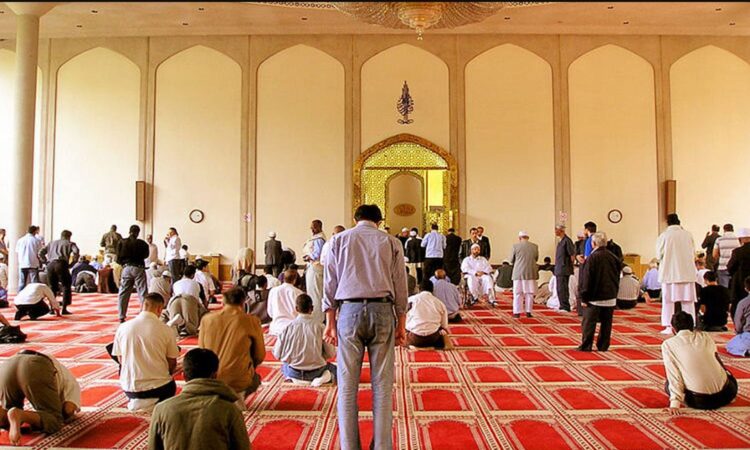
Mosques and Muslim community centres across the UK have received millions of pounds in extra security funding following the violent disorder that broke out after the Southport attack.
Around £66 million in emergency security funding was given to mosques and related Muslim community sites after violence spread across several towns and cities in the summer of 2024. The disorder followed false information shared online about the identity and background of the person responsible for killing three young girls at a dance class in Southport.
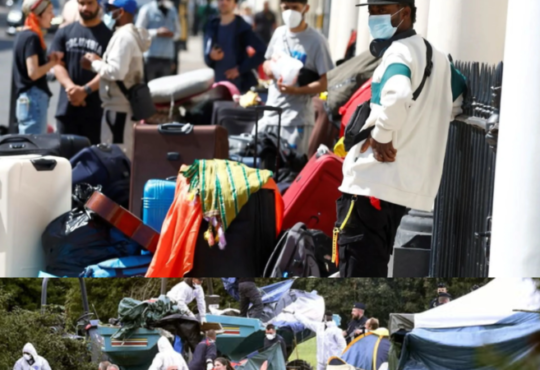
False claims circulating on social media wrongly suggested that the attacker was a Muslim asylum seeker. As the misinformation spread, anger grew and violent disorder followed in different parts of the country. Mosques were targeted, while some hotels being used to accommodate asylum seekers also became the focus of protests and violence.
The Government responded by introducing emergency security funding to help protect places of worship and community buildings that were considered at risk. Of almost £69 million provided through the emergency scheme, around £66 million went to mosques and associated Muslim sites.
The spending came on top of other security funding already available. Separate figures showed that around £41 million was provided to mosques, Islamic faith schools and related sites during 2025-26 through the Government’s protective security programme.
Security spending for Muslim communities has increased significantly over recent years. Figures reported by The Guardian showed that funding stood at just over £73,000 in 2016-17. It later increased to around £3 million in 2022-23 before rising sharply to £29 million in 2024-25 and reaching £41 million the following year.
The Government originally introduced a security scheme for places of worship in England and Wales in 2016. In 2023, a separate £29.4 million programme was created specifically to provide additional protection for mosques and Muslim faith schools across the UK.
Akeela Ahmed, chief executive of the British Muslim Trust, said the growing amount of money being spent showed the level of security concerns facing Muslim communities. She said security needs were increasing because mosques were facing more attacks.
She argued that reducing the cost of security would require dealing with the reasons Muslim communities are being targeted in the first place. Figures published by the trust in July suggested that, during the previous year, a mosque somewhere in Britain was attacked on average every five days.
However, some campaigners have questioned whether the Government’s approach is doing enough.
Shaista Gohir, chief executive of Muslim Women’s Network UK, said the amount of funding being announced could give people the impression that enough action was being taken against anti-Muslim hostility. She argued that there was still not enough visible action to protect Muslim women and questioned how much of the available funding was actually reaching mosques and community organisations.
Concerns about security have also been raised following incidents at the Jami community centre in Birmingham. West Midlands Police recorded at least five incidents involving hate crime and racially aggravated criminal damage between March and July.
People using the centre reported problems including smashed windows, racist graffiti and verbal abuse. The centre responded by introducing its own security measures, including gates and blackout boards, while applying for Government financial support.
The Home Office said applications for security support were being processed as quickly as possible.
A Government spokesperson said £40 million had been made available through protective security schemes to help protect Muslim communities. The funding forms part of a wider £77.4 million investment in security measures for faith communities during 2026-27.
The figures show how much money is now being directed towards protecting religious buildings and communities following concerns about hate crime, violent disorder and attacks on places of worship.