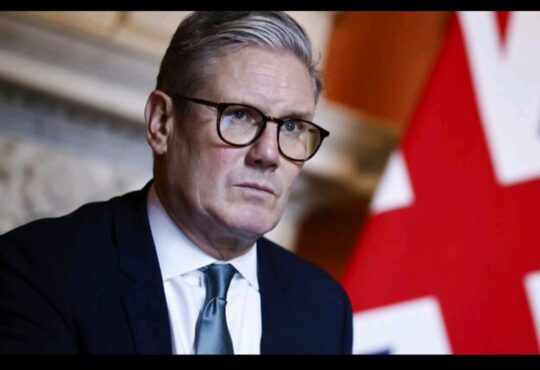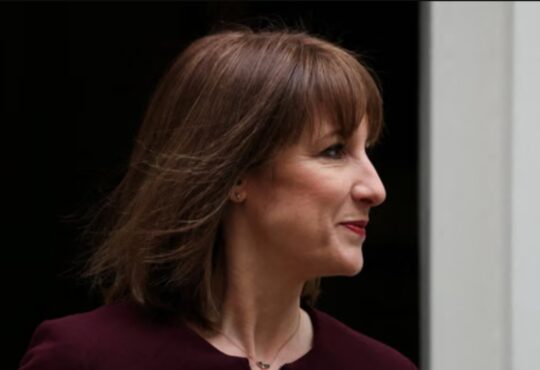

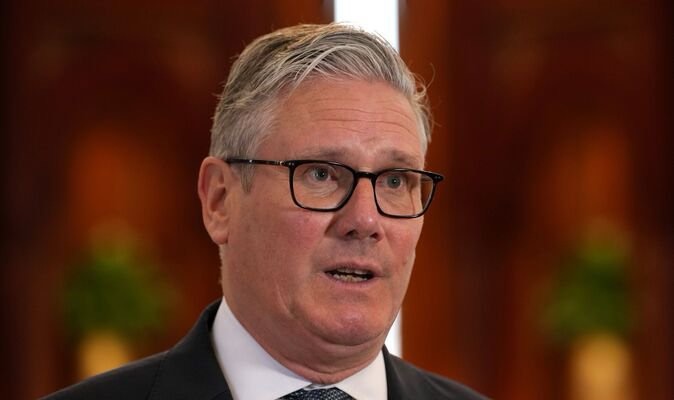
Jill Rutter says that Rachel Reeves, Sadiq Khan, and Keir Starmer are finally being clear about what they want to do.
Labour ministers have been gradually changing how the UK deals with the European Union. Back in February, Keir Starmer said Britain is no longer the same country it was during the Brexit years.
Around the same time, Rachel Reeves explained her plan to grow the economy and said the UK needs a closer relationship with the EU to stay strong. She made it clear that the government does not want to go backwards, but instead build a new and stable relationship for the future.
Part of that new approach could mean the UK follows EU rules more often, instead of going its own way. This is very different from Boris Johnson’s approach, where Brexit was about making independent rules and signing separate trade deals. Reeves believes those trade deals are not as valuable as having a closer relationship with the EU, which is still the UK’s biggest trading partner.
Sadiq Khan has gone even further. He suggested that during this parliament, the UK should join a customs union with the EU and return to the single market. He even said Labour should campaign in the next election on a promise to rejoin the EU.
Khan believes that if Labour is re-elected, the UK could rejoin the EU without holding another referendum. Legally, this would be allowed because Parliament has the power to make such decisions.
For example, in the 1970s, the UK joined the European Economic Community after a vote in Parliament, without a public referendum. The 1975 referendum only happened after the UK had already been a member for over two years.
Even if it is legally possible, some people would argue it is not the right thing to do politically. Many believe that since leaving the EU was decided by a public vote, rejoining should also be decided the same way. They say a referendum would give the decision stronger public support and make it more stable in the long run.
The EU might also want reassurance that the UK would not leave again after a few years. However, if rejoining the EU became the main issue in an election, and parties supporting it clearly won, a government might argue that the public has already made its decision, making another referendum unnecessary.
But this could create a new problem. A future government might then decide to leave the EU again without a referendum, turning the UK into a country that keeps going in and out.
Right now, Sadiq Khan’s ideas are still far from official government policy. Keir Starmer’s government is focused on improving relations with the EU through ongoing negotiations that started last year. They are hoping to reach agreements on areas like food trade, energy, and youth mobility before the next summit in the summer.
It is still not fully clear how Rachel Reeves’s plans will work in practice. The UK could choose on its own to follow EU rules, which gives less economic benefit, or it could negotiate new agreements with the EU, which might bring bigger benefits but depend on EU approval.
For now, Labour has made it clear that it is not planning to rejoin the single market or customs union, and it will not accept free movement of people.
As Parliament looks at new laws that could make the UK follow some EU rules again, more people are starting to ask whether the country would be better off fully back inside the EU, where it would have a say in decisions.