French Taxi Drivers Arrested After Police Discover What They Were Secretly Doing for Illegal Migrants Heading to the UK

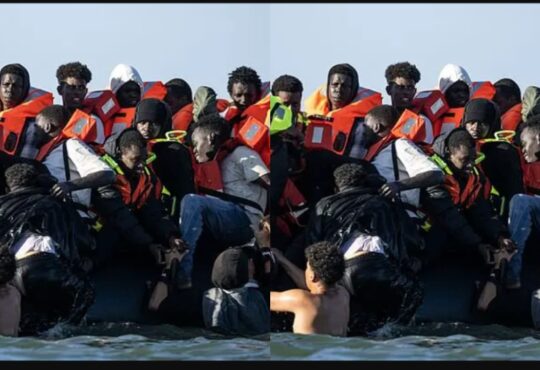
Six private taxi drivers in France have been arrested and charged after they were accused of secretly taking migrants to the coast so they could board small boats heading towards the UK.
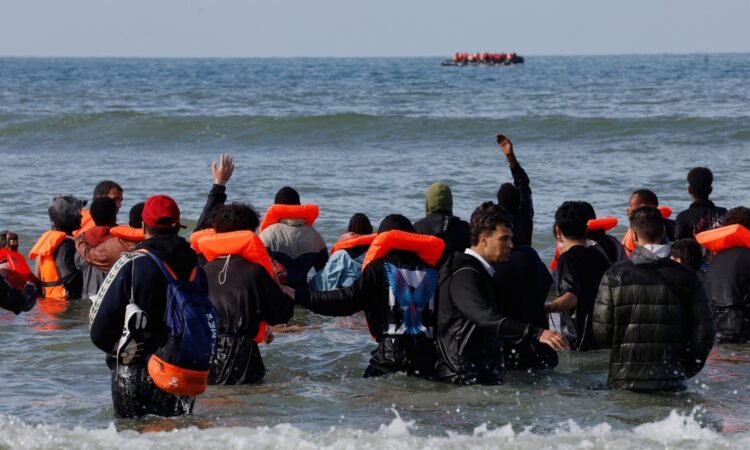
French police say the drivers repeatedly transported migrants from places where they were staying around Lille to different parts of the northern French coast. The migrants were allegedly trying to avoid police patrols before meeting people smugglers and boarding boats for the dangerous journey across the English Channel.
According to reports, the drivers charged around €300, about £260, for each journey. In some cases, as many as eight migrants were allegedly squeezed into one vehicle. They were then taken to locations where smugglers had arranged for them to join boats heading towards Britain.
In the past, many migrants trying to cross the Channel travelled towards Calais and Dunkirk using public transport or by walking. However, increased police patrols along the French coast have made it more difficult for some groups to reach traditional launching areas without being detected.
The UK has provided funding to France as part of efforts to increase security and reduce illegal Channel crossings. As police activity around Calais has increased, smugglers have also changed the way they operate.
Authorities say private taxis are increasingly being used to move migrants around without attracting as much attention. Some migrants are also travelling further away from Calais before attempting to board boats.
This has contributed to crossings and attempted departures from areas such as Dieppe and Cherbourg in western France, while some operations have also moved east towards Belgium.
French authorities have also reported the growing use of so-called “taxi boats”. Instead of picking everyone up from one beach, a large dinghy can travel along the coast and collect different groups of migrants from several locations before heading towards Britain.
Some of these boats have reportedly carried very large numbers of people. French police have recorded incidents involving boats carrying between 100 and 230 migrants.
Authorities believe this method can make it harder for police to stop a crossing because migrants do not all gather at one launching point. Instead, smaller groups can wait at different places along the coastline for a boat to arrive.
There have also been unusual crossings from the Cherbourg area. At least two dinghies reportedly left beaches around Cherbourg during the past month and travelled towards the south coast of England.
The journey is much longer than the usual route between Calais and Dover and can expose those on board to dangerous conditions at sea for a much longer period.
One boat carrying around 140 migrants arrived in Portsmouth earlier this month. Around 200 anti-migrant protesters were reported to have gathered in the area as authorities prepared to move the migrants to the Manston processing centre in Kent.
Another boat carrying 51 people reportedly spent around 38 hours crossing the Channel before those on board reached the Gosport area. RNLI and Border Force crews were involved in the rescue.
Authorities later moved the migrants by sea towards Dover while protesters were waiting in Gosport.
UK ministers have said the changing methods being used by smugglers may be partly connected to increased efforts by British, French and other European authorities to disrupt smuggling networks and prevent equipment such as boats, engines and life jackets from reaching them.
The six taxi drivers now facing prosecution are accused of making repeated journeys during the summer.
Each driver allegedly made between 13 and 32 trips to the coast.
A French source said the drivers were paid in cash and allegedly failed to declare the money. Authorities also claim some of the money was later used to purchase vehicles.
The defendants are being prosecuted over allegations of helping people remain in France without permission and money laundering. Prosecutors have also raised concerns about the conditions in which migrants were transported, claiming several people were packed tightly inside vehicles.
When police searched the drivers’ homes, officers reportedly discovered significant amounts of cash.
However, investigators do not believe the six drivers were operating together as one organised criminal gang. Instead, police believe they were working independently.
According to a French source, the drivers apparently did not realise that border police had already started investigations into private hire drivers suspected of transporting migrants.
All six were arrested at their homes in France on September 7.
Reports say the defendants are married, have children and are considered well integrated into their communities. Some reportedly have previous criminal records, although these were described as mainly older and relatively minor offences.
The case has now been adjourned, with a one-day trial scheduled for November 12.
Until then, the six defendants have been placed under judicial supervision and are banned from working as taxi drivers.
French authorities are also increasing security in areas where migrant crossings appear to be moving.
An additional 43 police officers and gendarmes have been deployed to Normandy, with the extra security supported through UK funding.
Dieppe Town Hall also deployed 10 of its own police officers during the summer as authorities responded to increased migrant activity along the coast.
Officials in Seine-Maritime say the use of taxi boats has become a growing problem. These boats can move along the coastline towards Pas-de-Calais while collecting passengers from different locations.
Local leaders have also reported seeing more signs of migrant activity.
Véronique Depreux, mayor of Sainte-Marguerite-sur-Mer, said the area had only recently started experiencing the problem. She said there had been some attempted departures, temporary camps and migrants moving around the area.
Figures also suggest that attempted crossings from Dieppe have increased.
Between 2024 and 2025, the number of recorded attempts reportedly rose from 11 to 31. Another 14 attempts were recorded during the first half of 2026.
Authorities said police and gendarmes had prevented 18 departures since the beginning of this year.
By September 15, officials had detected 56 incidents at sea, compared with 31 during the whole of 2025, with many of the incidents happening around Dieppe.
French authorities continue to warn that travelling across the Channel in overcrowded and unsuitable boats is extremely dangerous. Several migrants have died while attempting the crossing, and the movement of departure points further along the French coast could mean some people spend even longer at sea before reaching Britain.