Charity Chief Giving Free Food to Asylum Seekers Shares an Emotional Conversation He Had With Them Before Sending a Message to Britain About the Way They Are Viewed


“People want to work, they want to contribute, and they want to pay taxes.”
A charity in North Staffordshire that supports hundreds of asylum seekers and refugees every week says many people arriving in the UK are ready to work and contribute to society, but delays in the asylum system are stopping them from doing so.
Asha North Staffordshire was founded in 2004 by Godefroid Seminega. The charity now supports more than 450 people every week from 78 different countries. It provides practical help, advice, support with daily life and opportunities for people to become part of the local community.
Godefroid said many people who come to the charity have left behind good jobs, careers and stable lives in their home countries. When they arrive in the UK, they often have to start again with very little. He said this was something he understood personally because he had gone through a similar experience after arriving in the UK from Rwanda in 2003.
He explained that he had once had a successful career in public health and had worked for an international health organisation connected to Switzerland. He had built the kind of life he wanted, but had to leave it behind when he came to the UK for safety.

When he first arrived in London, he did not speak English and had very little support. He said he did not know how he would rebuild his life.
Godefroid said he was also questioned about why he had come to the UK despite having strong academic qualifications. He explained that he had not come to the country to look for a better economic opportunity. He had come because he needed safety.
That experience encouraged him to create Asha, which means “hope”, so that other asylum seekers and refugees would not have to face the same difficulties alone.
Today, the charity has 11 staff members and more than 120 volunteers. Many of the volunteers are people who previously received help from the organisation themselves.
The charity runs a busy programme every week from its base in Hanley. On Mondays, around 50 to 60 people come for help with issues such as immigration, housing, banking and benefits. Thursday is one of the busiest days, with as many as 180 people visiting for advice, mental health support and community activities.
Throughout the week, Asha also provides groups and activities for mothers and babies, young people, women and men. There are also sessions for children, English language support and training workshops to help new arrivals understand life in the UK.
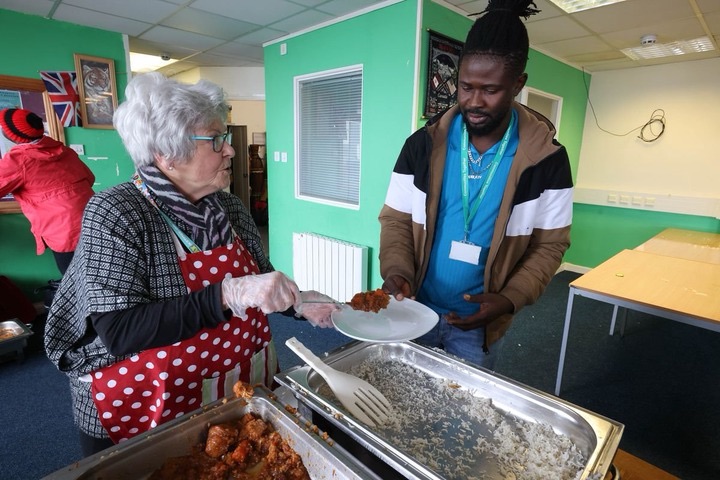
Food is another important part of the charity’s work. Around 70 people are fed on Wednesdays, while more than 100 people receive meals on Fridays. The meals are shared by service users and members of the wider local community.
When someone arrives at Asha for the first time, they receive a one-to-one welcome assessment. This helps them understand important parts of life in the UK, including public transport, safety, the asylum process and how to access support. Children are also helped to get into school as quickly as possible.
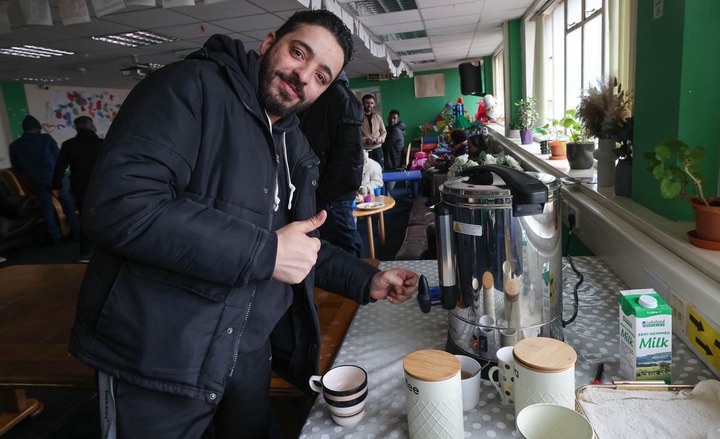
The charity also encourages people to volunteer. This can help them gain confidence, learn new skills and prepare for employment if they are eventually given refugee status.
Godefroid believes many asylum seekers are willing and able to work and contribute to the economy.
He said the organisation supports people with many different professional backgrounds, including doctors, dentists, teachers, engineers and business owners.
He believes people who are allowed to work should be given the chance to do so as soon as possible and should receive support to find suitable jobs.
He also argued that long delays in asylum decisions can leave people living in accommodation for long periods while waiting for the Home Office to decide whether they can remain in the UK. He believes this can cost taxpayers money while also putting additional pressure on people who may already have experienced difficult and traumatic situations.
Asha now supports people from 78 different countries, including Iran, Eritrea, Sudan, Afghanistan and Venezuela. Many of those who receive help later become volunteers or find ways to contribute to their local communities. Some have also become involved in local projects such as Friends of Hanley Park.
Godefroid admits that supporting hundreds of people every week is not easy. A large part of his time is spent trying to find enough resources to make sure the charity can continue meeting people’s needs.
His work has also received national recognition. He was awarded an honorary doctorate by Keele University for his contribution to social inclusion.
Despite the size of the organisation and the number of people it now supports, Godefroid says the reason behind the work remains simple. He believes people arriving in the UK can sometimes lose their confidence and sense of identity after leaving everything behind.
He wants politicians to create what he believes would be a fairer asylum system for asylum seekers, local communities and the country as a whole.
His view is that when people are given the right support and opportunity, they can rebuild their lives, become part of their communities and contribute to the country they now call home.