Asylum Seekers Living in UK Hotels Complain They Are Being Made Sick as They Reveal What Is Really Happening Inside Their Accommodation

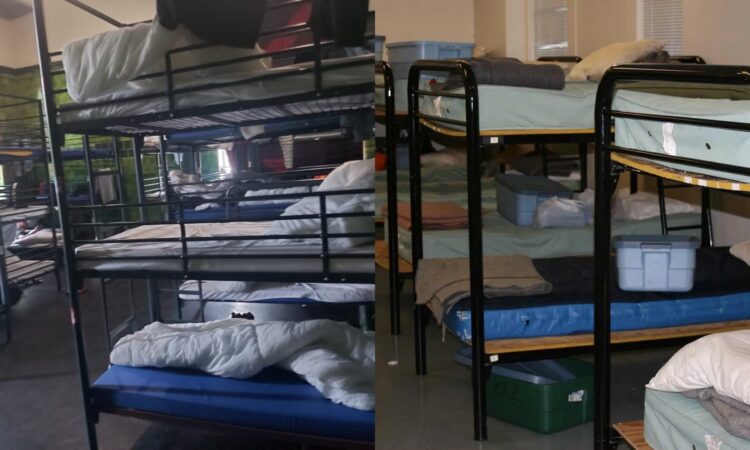
Asylum seekers living in hotels across the UK have complained that the free meals they receive every day are making them feel sick. Some say they are tired of eating the same food repeatedly, especially chicken nuggets and chips, which they believe are causing stomach pain and other health problems.
Many of the asylum seekers say they have little choice over what they eat because they are not allowed to cook their own meals. They claim the food served in the hotels is often cheap, unhealthy and unsuitable for people who have different dietary needs.
The situation has become so frustrating that some residents have started secretly cooking inside their hotel rooms, despite knowing that doing so is against the rules.
A BBC investigation during the summer visited four hotels being used to accommodate asylum seekers. During the visits, journalists spoke to residents who raised similar concerns about the quality of the food, their living conditions and the long periods they have spent waiting for decisions on their asylum applications.
One of those who spoke out was Kadir, an Iraqi man who has been living in the UK with his family for nine years.
According to Kadir, the meals served at the hotel are often the same, with chicken nuggets and chips appearing regularly on the menu. He claimed that some residents have experienced stomach problems after eating the food.
He explained that because people are unhappy with the meals, some have started using small electric cooking appliances in their bedrooms to prepare something different.
However, this has created another serious concern. Some residents reportedly connect cooking equipment to extension cables and cover smoke alarms to avoid being discovered by hotel staff.
These actions could put everyone in the building at risk, especially families with young children, because cooking in bedrooms without proper safety measures can cause fires.
The Home Office, which is responsible for providing accommodation to asylum seekers, has defended the meals served in the hotels. Officials said the food meets the required nutritional standards and that efforts are made to provide balanced meals suitable for different cultures whenever possible.
However, the department did not directly address all the health complaints raised by residents.
The complaints come at a time when the government is facing growing pressure over the amount of public money being spent on housing asylum seekers in hotels.
Around 32,000 asylum seekers are currently staying in hotel accommodation across the country, according to the figures cited in the report. This is lower than the approximately 51,000 people who were living in asylum hotels in 2023.
The government has announced plans to stop using hotels to accommodate asylum seekers by 2029. Ministers believe the current system is too expensive and have promised to find other ways of housing people while their applications are being considered.
But the issue has become increasingly controversial, with protests taking place outside some hotels.
In August 2025, protesters gathered outside an asylum hotel in Epping, Essex, following the conviction of a hotel resident for sexual assault.
Some demonstrators carried English flags and signs calling for children to be protected. The protests attracted attention across the country and raised further questions about the government’s handling of asylum accommodation.
For families staying inside the hotels, however, the demonstrations created fear and uncertainty.
Some parents said they were worried about their children’s safety, especially when protesters gathered close to the buildings or vehicles transporting residents.
Among those affected was Kadir’s 12-year-old daughter, Shayan.
The young girl explained that she and her friends sometimes feel frightened when protesters gather around their buses. She said they worry about what might happen and whether someone could try to hurt them.
Shayan also questioned why people were angry with children who had no control over the decisions made by the government or their parents.
The investigation also revealed that some children have spent much of their lives living in temporary accommodation while their parents wait for decisions on their asylum claims.
Some were even born in the UK during this period.
One Somali father told the BBC that he believed his newborn baby would automatically become a British citizen because the child was born in the country.
However, refugee support organisations explained that being born in Britain does not automatically give every child British citizenship. A child’s nationality and immigration position depend on several factors, including the immigration status of their parents.
This means some families could still face removal from the UK if their asylum applications are unsuccessful and they have no other legal right to remain.
Money is another major problem for asylum seekers living in hotels.
Many receive just £9.95 a week to cover personal expenses because their accommodation and meals are already provided.
Residents say this amount is not enough to meet all their needs, particularly when they want to buy personal items, travel or communicate with relatives abroad.
Some have reportedly turned to illegal work to earn additional money.
One Afghan asylum seeker, identified as Mohammed, admitted that he had taken jobs without permission despite knowing he was breaking immigration rules.
He explained that some asylum seekers feel pressure to send money to their families or repay debts owed to people smugglers who helped arrange their journeys to Britain.
Because most asylum seekers are not allowed to work while waiting for decisions on their claims, those who take jobs illegally can find themselves working for very low wages and without proper employment protections.
Hotel workers also told the BBC that they had noticed some residents leaving their accommodation at unusual hours.
Others were reportedly seen using delivery bicycles and vans, raising suspicions that they were working without permission.
In July 2025, the Home Office carried out immigration enforcement operations targeting illegal employment.
These operations resulted in 280 arrests involving asylum seekers suspected of working illegally. More than 50 people also had their asylum support reviewed.
The government has repeatedly warned that people who work illegally could face immigration enforcement action and possible consequences for their financial support.
Another issue raised by the BBC investigation was the cost of transporting asylum seekers to medical appointments.
Kadir described one hospital journey that he said cost around £600 in taxi expenses.
Such costs have raised questions about how public money is being used, particularly when the government is already spending large amounts on asylum accommodation.
The Home Office acknowledged that it did not hold complete records showing how much money was being spent on taxis for asylum seekers.
The department also said it did not have figures showing exactly how many children had been born to families staying in asylum hotels.
For some residents, the biggest problem is not only the food or lack of money but also the uncertainty surrounding their future.
Security staff working at the hotels said boredom had become a serious issue because many residents have very little to do during the day.
Without regular employment or meaningful activities, some people spend long periods inside their rooms, waiting for updates about their asylum applications.
Refugee charities have warned that this situation can affect people’s mental health, particularly those who have already experienced difficult circumstances before arriving in Britain.
Families are also concerned about being moved repeatedly between different hotels.
Kadir’s family said they had struggled to build a stable life because they were regularly moved from one location to another.
In one case, the family reportedly refused a relocation arrangement that could have separated relatives between cities around 200 miles apart.
The decision created another problem because refusing accommodation offered by the Home Office can, depending on the circumstances, put asylum support at risk.
For families with children, frequent moves can also interrupt schooling, medical treatment and relationships with people in their communities.
Despite these difficulties, the BBC found examples of residents trying to support one another.
An elderly couple dealing with health problems were among those who continued helping other people living in their hotel.
Refugee charities say such examples show how residents are trying to cope with difficult circumstances, even when they have limited resources themselves.
The organisations are now calling for improvements to the quality of food, accommodation and support provided to asylum seekers.
They argue that people should have access to nutritious meals and safe living conditions while their immigration applications are being processed.
The Home Office maintains that meals provided through asylum accommodation contracts must meet nutritional requirements and should take cultural and dietary needs into account where possible.
Nevertheless, residents continue to complain that the food they receive does not always meet their expectations or personal needs.
The wider debate over asylum hotels is also continuing as migrants keep arriving in Britain, including those crossing the English Channel in small boats.
The government faces the difficult task of reducing accommodation costs, dealing with asylum applications and responding to concerns raised by local communities.
At the same time, charities say people who are already living in the hotels should not be left in poor conditions while ministers work on long-term changes.
For now, asylum seekers such as Kadir and his family remain uncertain about what will happen next.
Although the government has promised to end the use of asylum hotels by 2029, it has not announced a specific new policy addressing the food complaints described in the BBC investigation.
Until changes are made, some residents say they will continue facing the same daily problems, including meals they do not enjoy, restrictions on cooking and uncertainty about how long they will remain in temporary accommodation.