Muslim Teen Begs Official to Let Her Divorce Her Husband, Saying He Is Violent and Regularly Beats Her But What the Official Told Her Is Devastating

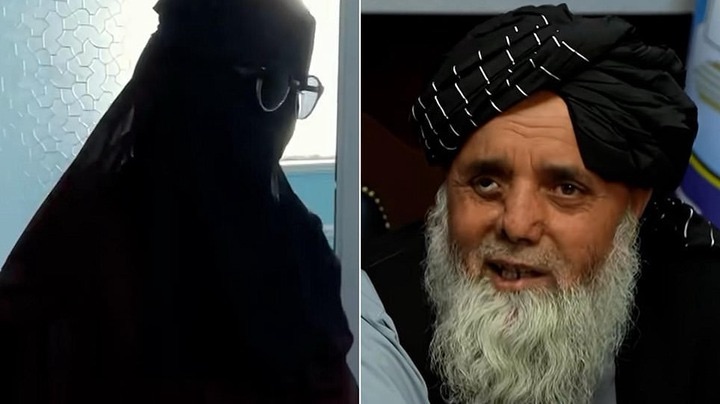
An 18-year-old Afghan girl has been filmed pleading with a Taliban official to allow her to divorce her husband, saying he is violent and regularly beats her.
The young woman spoke to Jawzjan Governor Abdullah Sarhadi while wearing a burqa and sunglasses. She calmly explained that she had already made up her mind and did not believe she could continue living with her husband.
She told the official that if there was still a chance for them to live together peacefully, she would not have come to ask for a divorce. She said she had made her decision and wanted to leave the marriage.
However, the Taliban official refused to support her request and instead tried to convince her to stay with her husband. He asked her to think about who would marry her if she became divorced, warning that she might have to make many compromises and could lose her dignity and honour.
The young woman replied that her dignity and honour had already been damaged.
The official then made insulting comments about women, describing them as lacking intelligence and saying they do not understand things. Other men around him could be heard laughing and appearing to agree with his comments.
The girl’s situation is made even more difficult by rules surrounding divorce under Taliban rule. Women who are allowed to divorce may be expected to return some or all of the money or gifts given to them by their husband’s family at the wedding. In this case, the girl’s husband reportedly demanded four times the original amount, but her family refused to pay.
The Taliban official eventually told the girl that her husband would be warned not to beat her again and could face jail if he continued. He also suggested that she should have her own room.
Her father was not satisfied with the decision and said he would try to seek a divorce through the courts. However, getting a divorce without the husband’s agreement is reportedly very difficult under the Taliban’s court system.
The disturbing meeting was filmed for a BBC documentary looking at life in Afghanistan several years after the Taliban returned to power.
When the Taliban regained control of Afghanistan, they initially suggested that their rule would be different from the strict policies they had imposed during the 1990s. However, many restrictions on women and girls have gradually returned.
Women and girls in Afghanistan have faced severe restrictions on education, employment, movement and public life. Girls have been prevented from attending secondary school and universities, while women have faced increasing limits on the jobs they can do and how they can appear in public.
One Afghan woman interviewed for the documentary said she believed the Taliban were afraid of educated women because educated women would not accept the same treatment.
Restrictions have also affected female workers. In some areas, women working in hospitals and other workplaces have been ordered to follow strict clothing rules, including wearing the full burqa.
Afghanistan also has a traditional practice known as “baad”, in which families may give young girls to other families to settle disputes or debts. Human rights groups have repeatedly raised concerns about forced and child marriages in the country.
There have also been reports of young girls being detained after refusing to marry older men connected to the Taliban. One reported case involved a teenage girl who spent many months in detention after refusing to marry an elderly local commander.
Women are also facing strict rules about their clothing and movement. Taliban morality officers have been accused of stopping, questioning and detaining women who they believe have broken the authorities’ rules.
Residents have described women becoming increasingly afraid to leave their homes because of harassment and intimidation.
The restrictions have led to growing criticism from women’s rights campaigners around the world. Critics say the treatment of women and girls in Afghanistan amounts to systematic discrimination and that countries maintaining contact with the Taliban should use their influence to pressure its leadership.
The situation has renewed concerns about the future of Afghan women and girls, particularly those who are trying to escape abusive marriages or seek greater freedom over their own lives.