Home Secretary Shabana Mahmood Sends Serious Warning to Eritrea, Reveals What Could Happen if Country Refuses to Take Back Migrants Deported from Britain

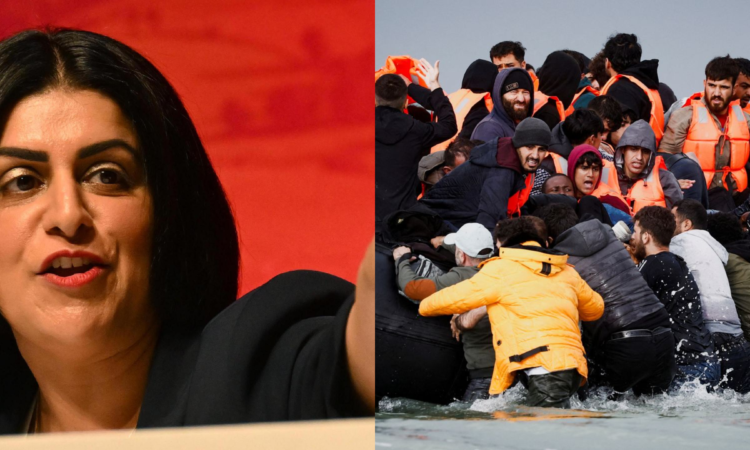
The UK government has warned that people from Eritrea could be stopped from getting visas to enter Britain if their government continues to refuse to take back migrants who have no legal right to stay in the country.
Home Secretary Shabana Mahmood announced the warning on October 15, 2026, as the government increased its efforts to remove foreign criminals and people whose asylum applications have been rejected.
According to the Home Office, Eritrea has refused to cooperate with Britain over the return of its citizens. The UK government claims it has spent months trying to reach an agreement, but the Eritrean authorities have failed to make enough progress.
The government has now started taking action against Eritrean officials. Senior government figures and important visitors from Eritrea will no longer receive special fast-track visa services when applying to enter Britain.
Eritrean diplomats already living in the UK will also face new travel restrictions. They must now get permission from the Foreign Office before travelling more than 37 miles outside London.
British officials say these restrictions are similar to the rules Eritrea has placed on UK diplomats working in its capital, Asmara.
However, the government has made it clear that these measures could become much tougher if Eritrea continues to refuse to accept the return of its citizens.
Shabana Mahmood warned that Britain could completely stop issuing visas to Eritrean nationals unless the country agrees to cooperate.
The Home Secretary said Eritrea had been given several opportunities to accept the return of people convicted of crimes and those who have no legal permission to remain in Britain.
She insisted that the UK would not continue allowing countries to refuse to take back their citizens without facing consequences.
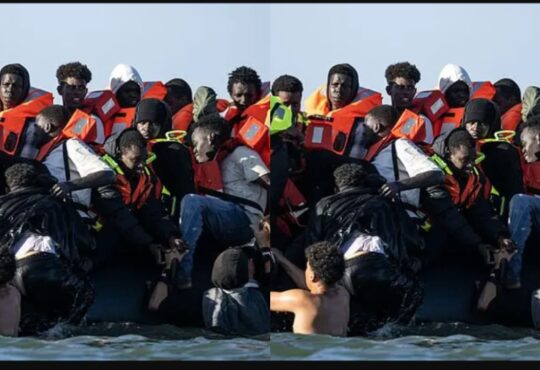
The disagreement comes at a time when the British government is facing growing pressure to reduce illegal immigration and stop people crossing the English Channel in small boats.
Government figures show that Eritrean nationals were the largest group of people arriving in Britain through small boats during the 12 months ending in June 2026.
They accounted for around 18% of all small-boat arrivals during that period.
However, many Eritreans who apply for asylum in Britain are allowed to stay because of serious concerns about their safety if they return home.
Eritrea has faced criticism over its human rights record, including long periods of compulsory military service, people being imprisoned without trial, and restrictions on freedom of speech.
These conditions have forced many people to leave the country in search of safety and better opportunities abroad.
The Eritrean government has rejected Britain’s accusations and disagreed with claims that it has refused to cooperate.
Officials from Eritrea have also criticised the threatened visa restrictions, describing them as a political move rather than a serious attempt to resolve the disagreement.
They argue that the British government has not made enough effort to hold meaningful discussions about returning migrants.
Meanwhile, the UK government says it has successfully used similar warnings against other African countries.
Angola, Namibia and the Democratic Republic of Congo were previously warned that they could face visa restrictions if they failed to cooperate with the return of their citizens.
According to the Home Office, all three countries later improved their cooperation with Britain.
The Democratic Republic of Congo initially faced visa restrictions, but these were eventually removed after its government agreed to work more closely with the UK on returning migrants.
The British government believes the same approach could encourage Eritrea to change its position.
Mahmood has also warned that other countries could face similar action if they refuse to accept citizens who are legally required to leave Britain.
For now, a complete visa ban on Eritrean citizens has not been introduced. The restrictions currently affect diplomats and special visa services for senior officials.
However, if the disagreement continues, ordinary Eritrean citizens hoping to travel to Britain could also be affected by a wider ban.
The situation has raised questions about how far Britain should go in pressuring foreign governments to accept the return of migrants, especially when some of those people could face serious dangers in their home countries.
The coming weeks could determine whether Eritrea agrees to cooperate or whether the British government moves ahead with tougher visa restrictions.