Illegal Migrant Who Was Happy to Have Finally Arrived in the UK by Boat Secretly Gets an Unexpected Outcome

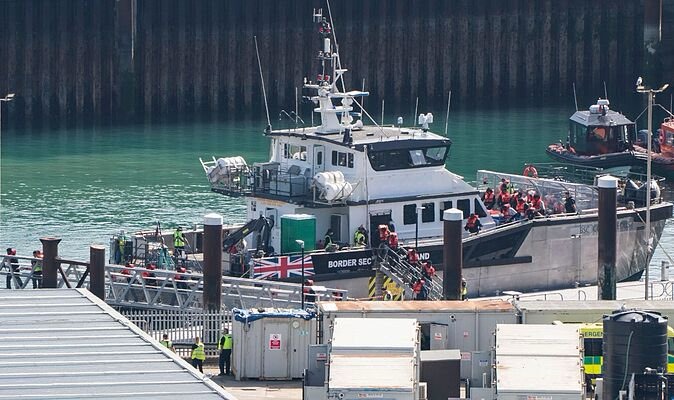
The issue of small boats crossing the English Channel remains under close attention after another group of migrants reportedly reached the UK coast without being stopped before landing.
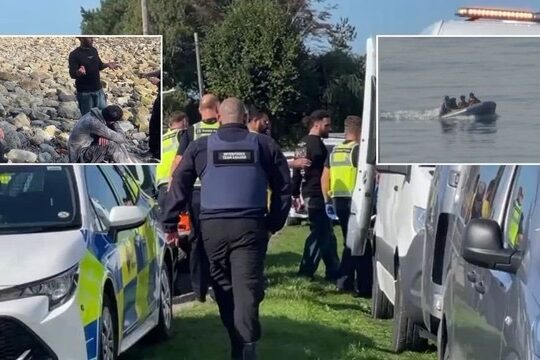
Five people were detained on Monday after a small boat reached Folkestone. The incident attracted attention because the vessel was reported to have made it to the coast without being intercepted by British or French authorities.
The Home Office described what happened as an isolated and rare incident and said the circumstances surrounding the landing were being investigated.
The incident has added to the continuing debate about how effectively the UK and France are controlling small boat crossings in the Channel. Reports of further activity in the Channel have also kept the issue in the spotlight.
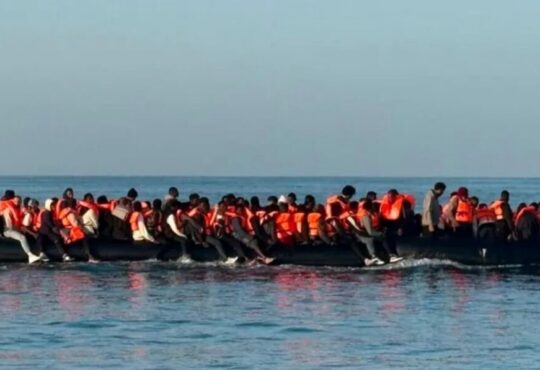
Thousands of people have made the dangerous journey across the English Channel in small boats this year. Although overall numbers have fallen compared with the previous year, the crossings continue and remain one of the biggest challenges facing the Government’s border security operation.
Official Home Office figures show that 143 migrants arrived in the UK in two small boats during the week ending September 13, 2026. During the same period, French authorities prevented an estimated 100 migrants from making the crossing in two separate events. The Government says these figures are provisional and can later be revised.
More people arrived during the following days. Home Office figures show that 144 migrants arrived in two boats on September 14, followed by another 55 people in one boat on September 15. No recorded small boat arrivals were reported between September 16 and September 20.
The Government has been working closely with France in an attempt to reduce the number of boats leaving the French coast. The two countries signed a new agreement earlier this year aimed at increasing patrols, intelligence operations and other resources used to tackle illegal Channel crossings and the criminal gangs organising them.
French authorities have also increased efforts to stop boats before they can reach the water. According to the Home Office, French police prevented 185 small-boat crossing events during the first three months of the new UK-France arrangements, between April 27 and August 2. The Government said those operations prevented more than 4,300 attempted crossings.
Supporters of the Government’s approach may point to the reduction in crossings as evidence that tougher enforcement and closer co-operation with France are beginning to have an effect. Official statistics published in August showed 33,374 small-boat arrivals in the year ending June 2026, down 23 per cent from 43,309 during the previous 12-month period.
The National Crime Agency has also said increased law-enforcement activity has been an important factor behind the reduction. Its assessment highlighted efforts to disrupt the supply of boats and engines, action against people-smuggling networks and attempts by French authorities to prevent launches from beaches. However, the agency warned that the job is far from finished and that organised criminal groups continue to adapt their operations.
Despite the fall in overall numbers, the fact that boats are still reaching British waters means the issue has not disappeared. Each successful crossing can involve dozens of people travelling in inflatable vessels across one of the world’s busiest shipping routes.
There are also questions about what happens when a boat manages to reach the British coast without being intercepted at sea. Incidents of this kind can raise concerns about how quickly authorities are able to identify vessels approaching the coastline and respond when people land.
At the same time, the Government argues that individual incidents should be considered alongside the wider figures showing increased prevention work and stronger enforcement against smuggling networks.
The official statistics themselves also need to be understood carefully. Home Office small-boat figures mainly record people who are detected arriving in the UK or intercepted in the Channel and subsequently brought to Britain. They do not necessarily capture every person who may enter undetected. The Government also warns that provisional figures can change after further checks are completed.
The Channel therefore remains a major test for the Government’s border strategy. While fewer people have been recorded making the journey compared with the previous year, thousands are still attempting or completing crossings, and enforcement agencies continue to target the criminal networks responsible for organising them.
The latest Folkestone incident is likely to increase scrutiny of those efforts, particularly over how a small boat was apparently able to reach the coast without being intercepted.
The investigation into what happened could provide further information about whether this was simply an unusual incident or whether additional measures are needed to prevent similar landings in the future.